The Story
Why it exists.
The beginning
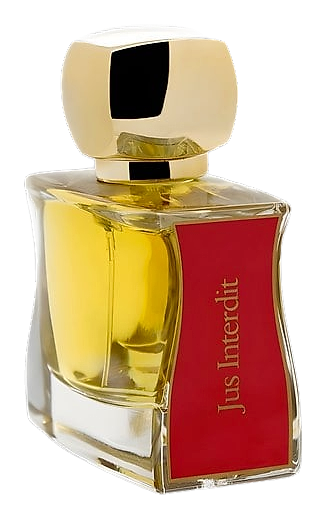
Rose Millésimée translates roughly to "vintage rose", a nod to the annual May harvest of Centifolia roses, when the flowers are at their peak. In 2017, perfumer Vanina Muracciole translated that fleeting moment into a fixed fragrance. The name itself is the concept: not a rose in general, but this rose, this harvest, this year, preserved. Jovoy released it as a limited edition of 1000 pieces. Scarcity isn't announced; it simply results from limited production. The house creates what it creates, and when it's gone, it's gone.
What makes Rose Millésimée interesting isn't the rose itself, it's the structure around it. The candied apple opening isn't a gimmick; it's a frame. It gives the centifolia rose somewhere to land, something to play against. The spices don't overpower, they lift. And the white musk in the base isn't doing cleanup work; it's doing its job. The rose doesn't disappear. It softens. That's the trick, and it's not an easy one to pull off. What you get is a rose that feels supported rather than abandoned, held in place by thoughtful construction rather than forced to carry the composition alone.
The evolution
The opening hits bright and fruity, candied apple with a spice kick that doesn't warn you. Then the rose arrives. Not all at once. It builds. Warm, honeyed, almost buttery as it unfolds across the skin. The spices recede but don't disappear, they've done their job, lifting the rose just enough to keep it from being heavy. Hours pass and the rose holds. The white musk arrives late, smoothing everything out, making the rose feel clean instead of heavy. By the end, it's skin-warm and intimate, close enough to notice, far enough to wonder about. The progression from bright opening to warm close feels inevitable rather than engineered.
Cultural impact
Rose Millésimée represents a serious approach to rose fragrances, treating the rose as a material worth building around rather than a note to be deployed quickly. Limited to 1000 pieces, it hasn't sought wide distribution. The composition relies on rose, apple, and musk, executed with restraint. The result is a fragrance that avoids common conventions, offering instead a carefully considered take on what a rose-focused scent can be.
The House
Jovoy ParisIn 1923, Blanche d'Arvoy slipped a new kind of perfumery into the Parisian establishment. She named it Jovoy, a contraction of her nickname Jo and her English husband Voy's name. A contemporary of Coco Chanel, she ran a boutique at 15 rue de la Paix with distillation facilities in Grasse. Over 80 years later, François Hénin, a Vietnamese-born adventurer who had spent years chasing scents through the forests of Vietnam before training in Grasse, brought Jovoy back to life in 2006. Today, Jovoy operates both as a perfume house and the celebrated Embassy of Rare Perfumes, curating over 130 niche brands from its boutique at 4 rue de Castiglione.
The Creator
Vanina MuraccioleMuracciole's training at MANE gave her a comprehensive understanding of raw materials at industrial scale, while her time with a master perfumer in Paris grounded her in classical composition. Her independent work allows her to prioritize distinctiveness over volume.