The Story
Why it exists.
The beginning
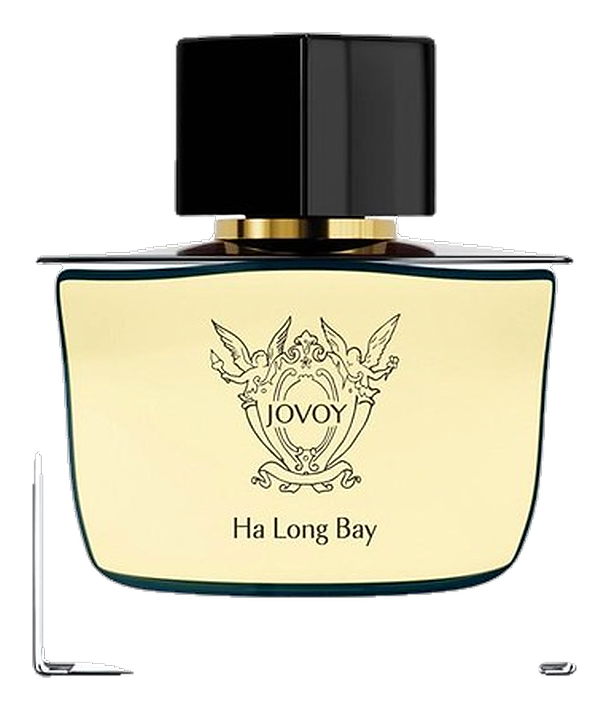
Ha Long Bay takes its name from Vietnam's iconic limestone archipelago, a UNESCO World Heritage site where emerald waters wind between thousands of karst islands. The reference is deliberate. When the house developed a fragrance inspired by this landscape, they had both the brand's collaborative philosophy and that specific geography to work from. The scent captures the humid atmosphere, the luminous quality of light playing across the water, and the ancient presence of limestone rising from warm seas. Each element in the composition reflects a different facet of that environment, from the fresh mineral quality of the opening through to the deeper, more resinous notes that evoke the weight of stone and water.
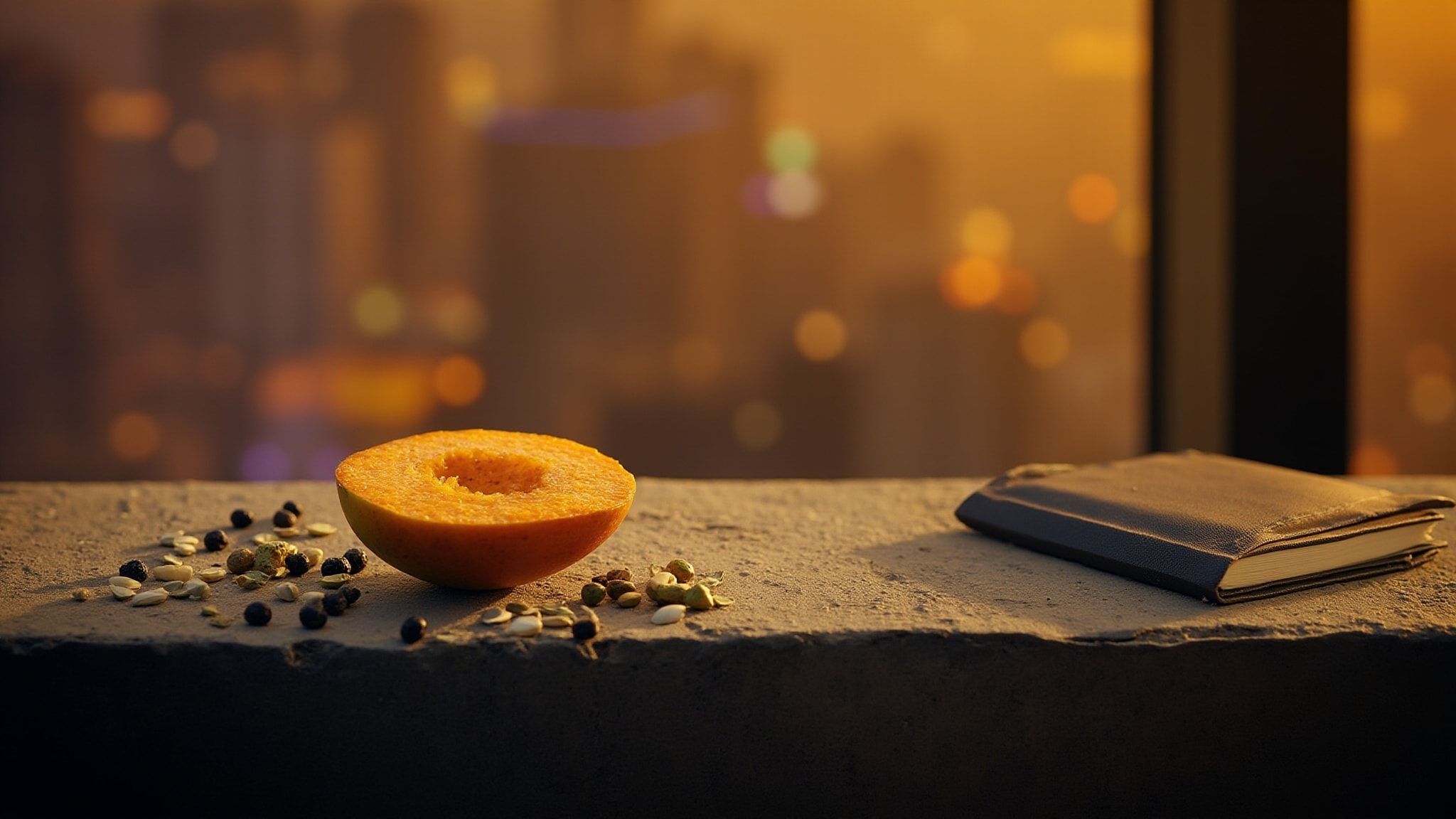
What makes Ha Long Bay distinctive is its treatment of sand mango, a rare material with peachy-apricot facets that reads as tropical without tipping into candy. The cardamom and black pepper don't compete with it; they frame it. And then there's Orcanox, a modern molecule with ambergris-like nuances that extends the drydown into something musky and warm rather than flat. The leather-cypeople-cedar heart is substantial, but the mango never fully leaves. It haunts the base like a memory of the opening, which is rare in compositions where top notes are supposed to evaporate.
The evolution
The first 15 minutes hit fast. Mango surges with black pepper right behind it, sweetness and heat arriving together. The cardamom softens as it settles, pulling the tropical note toward something more textured. By 30 minutes, leather enters the conversation, wrapping around the mango like it belongs there. The cedar and cypriol in the heart create an aromatic-woodsy bridge between the bright opening and the deeper base. Around the 90-minute mark, amberwood and patchouli emerge. The mango retreats but doesn't disappear, it becomes a whisper under the wood and leather. The drydown brings warmth that lingers on skin, a rich blend that carries through several hours. The surprise: that mango never fully vanishes. It's there in the drydown, ghosting through the patchouli and amberwood. Most fragrances kill their opening note. This one keeps the light on.
Cultural impact
Ha Long Bay's reception has been divided in ways that actually reveal something about contemporary fragrance culture. Wearers who expected a literal tropical escape either love the boldness or find it too synthetic, the mango is unapologetically present, and that intensity doesn't apologize for itself. The fragrance offers something different from the careful, easily-digestible tropical scents that have become common. Instead of softening its edges or hiding behind synthetic conventions, it leans into the vibrant, unfiltered character of ripe mango, letting that note command attention rather than merely suggest it.