The Story
Why it exists.
The beginning
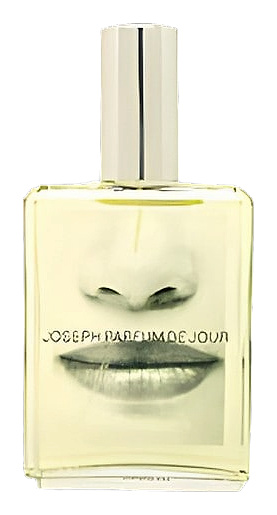
Joseph de Jour arrived in 1997, a single deliberate statement that cut against the grain of what most fragrance releases aim to be. Built around the simple premise of putting green florals at the front and warming them into something softer by the close, the composition reads almost like a thesis on restraint. One scent, made with the kind of intention that distills the focus of a small studio into a single bottle. The opening cuts through with hyacinth and lily of the valley, that watery green sharpness settling immediately into the skin before the heart unfurls with ylang-ylang, jasmine, and a dewy rose that never tips into syrup. The base pulls everything down with sandalwood and amber, quiet and golden rather than loud.
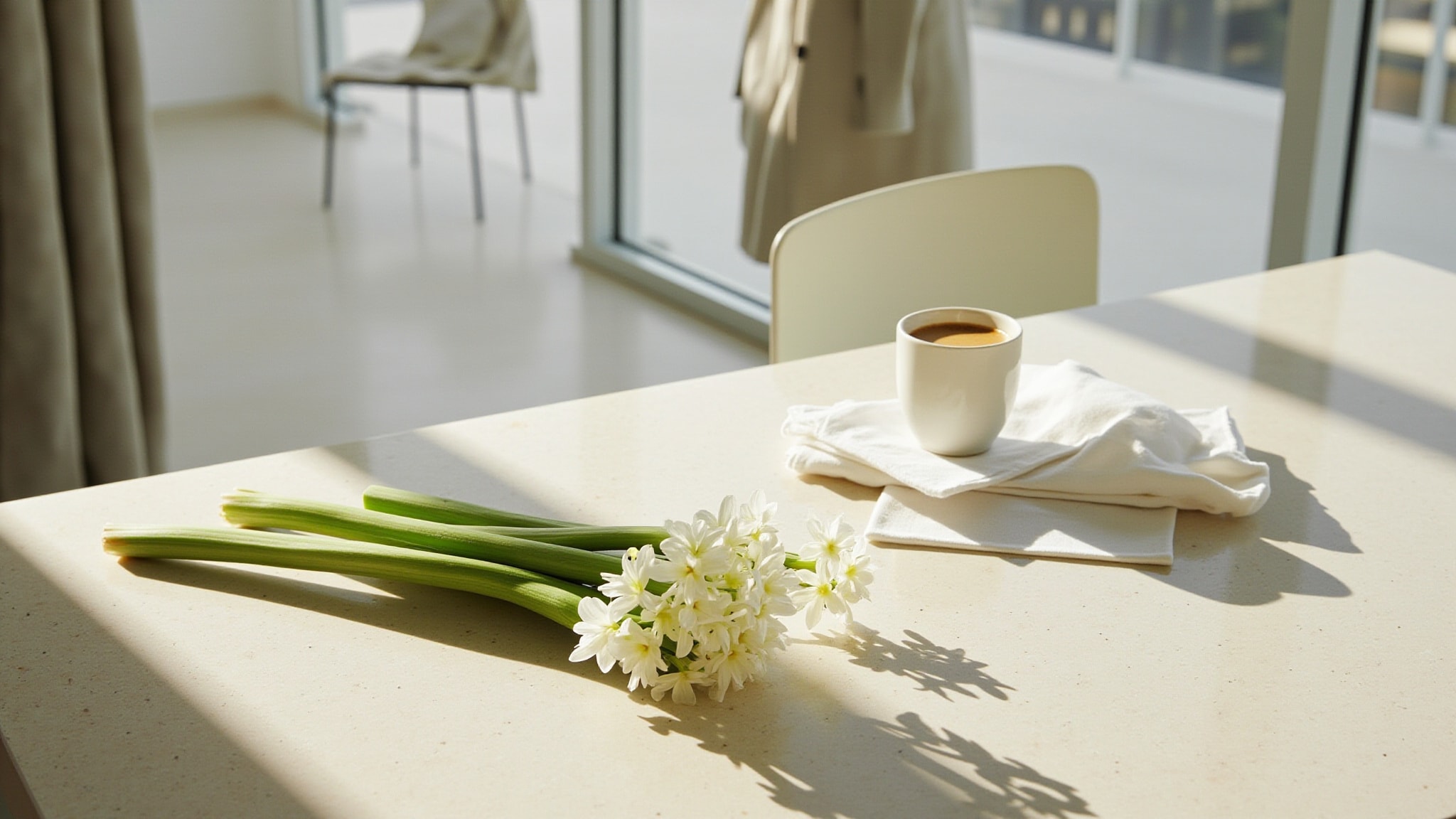
What makes this construction quietly unusual is the weight distribution. Joseph de Jour lets hyacinth and lily of the valley do the cutting edge work at the opening, skipping any reliance on sharper herbal notes to deliver its green character. Hyacinth carries a watery, almost metallic green that reads more architectural than garden-pretty, and the muguet smooths the edges with its dewy sweetness. Then the heart pulls back toward classical romance with ylang-ylang, jasmine, and rose.
The evolution
The first ten minutes smell like crushed green stems and something almost metallic, the hyacinth cutting hard while lily of the valley sweetens the edges. No fireworks. No shouting. Just a clean, cool green that settles immediately into the skin. Around the twenty-minute mark, the florals push through. Ylang-ylang shows up first with its banana-soft sweetness, then jasmine adds its indolic warmth, and the rose steps in last, dewy rather than jammy. The middle hour is the heart of the fragrance, all white florals with the green still threading underneath like a vein of cool air. Nothing about it tries to impress; it just stays. By hour three, the sandalwood starts pulling its weight, and the composition turns quietly golden. The amber doesn't announce itself with sweetness; it adds a low hum of warmth that grounds the rose without smothering it.
Cultural impact
Within fragrance circles, Joseph de Jour carries an outsized reputation for a single 1997 release. It holds steady in conversations among collectors who gravitate toward green florals that feel composed rather than commercial, the kind of composition people seek out when they want something that doesn't shout. The fragrance has aged into a quiet currency, gaining respect with time rather than losing it to shifting trends. Its presence on aggregator lists, where it appears alongside other well-known green florals, speaks to its standing among enthusiasts who document and discuss vintage and contemporary releases alike.