
The Story
Why it exists.
The beginning
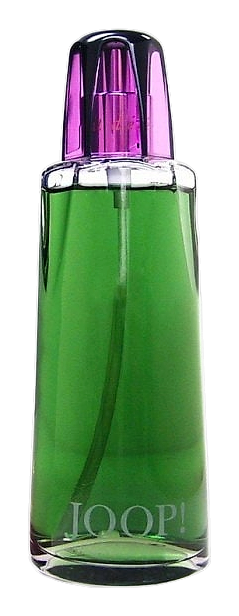
Joop! launched Nuit d'Ete in 1990, a summer fragrance that arrived with intent. Rather than chasing the powdery, transparent florals that defined so many warm-weather launches at the time, the composition went richer and warmer, anchoring itself on honey, vanilla, and amber. The opening is generous, almost edible in its sweetness, but there's a resinous undertow that keeps the sweetness from tipping into confection. As the hours pass, the honey softens and the amber grows more pronounced, lending a golden, slightly smoky warmth to the drydown. Vanilla weaves through every stage, smoothing the transitions and adding a creamy plushness that sits close to the skin. Nuit d'Ete reads as a night-time take on the season, one built for warm air and bare shoulders rather than for crisp mornings.
What makes Nuit d'Ete worth revisiting is the structure. The opening leans herbal and bright with tarragon, bergamot, and rosewood, then pivots hard into a honeyed floral heart where heliotrope and ylang-ylang do the heavy lifting. The base commits fully to oriental sweetness, stacking vanilla, amber, tonka, and myrrh into a drydown that runs warm for hours. It reads as sweet without ever tipping into juvenile territory. That balance is the whole point.
The evolution
The first thirty minutes are sharper than expected. Tarragon and lemon cut through alongside bergamot, with the rosewood giving the opening a faintly dry, woody edge that prevents the fruits from reading as simple or candied. The heart arrives as a slow swell. Honey arrives first, sticky and golden, followed by heliotrope's almond sweetness and ylang-ylang's tropical density. Jasmine and carnation add just enough green and spice to keep things grounded. Orris root lends the powdery lift that holds the composition together. After three hours, the florals begin to fade and the base takes over. Vanilla and amber warm everything from underneath, myrrh adds a dark resinous hum, and tonka smooths the transition into musk and patchouli. The drydown stays close to skin for another five to six hours, reading as honeyed amber and soft musk the next morning on fabric.
Cultural impact
Nuit d'Ete arrived in 1990 and quickly carved out a space that few other fragrances of its era occupied. It offered a summer composition built on honey and amber rather than the powdery florals that dominated the season's shelves, and that contrast made it memorable. The sweetness here stays warm and lived-in, never clinical or thin, which is part of why the fragrance still attracts devoted wearers long after its original run. Discontinued originals tend to fade from memory once the bottles dry up, but Nuit d'Ete persists in collector conversations because the scent itself does something specific and hard to replicate.