The Story
Why it exists.
The beginning
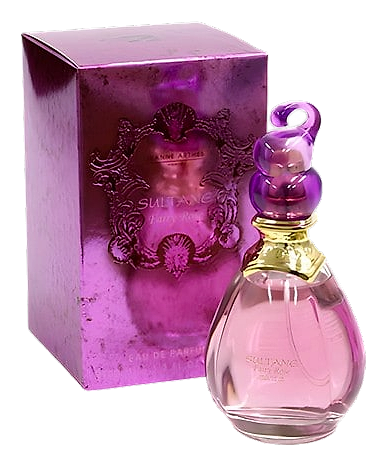
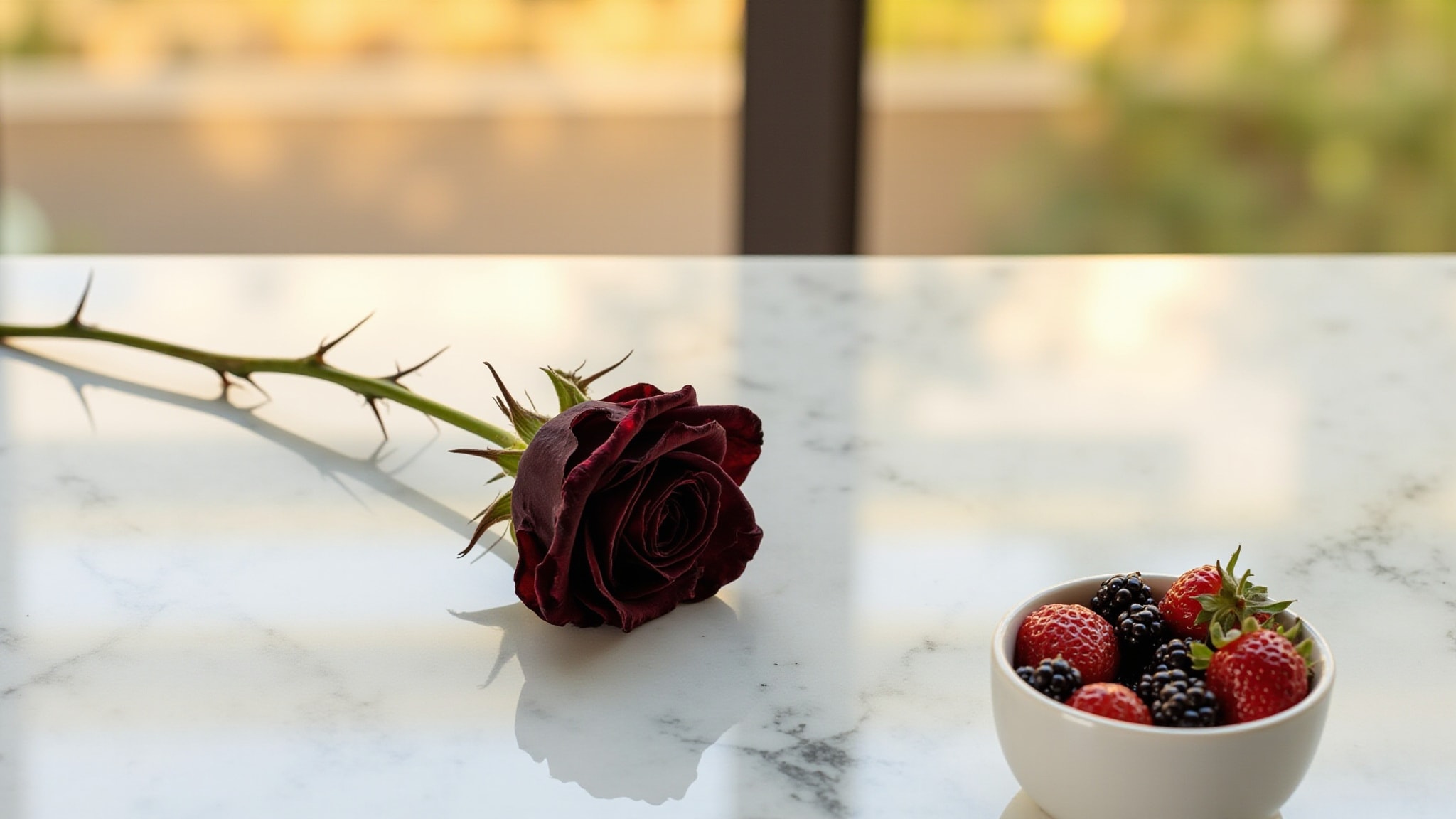
The Sultane line at Jeanne Arthes has always leaned toward the dramatic, rich materials, bold names, compositions that want to be noticed. Sultane Fairy Rose takes that energy and filters it through something gentler. The fairy isn't lost in a forest. She's in a rose garden, real roses, the kind with thorns and perfume that hits you three steps before you see them. Black Baccara roses, the variety bred specifically for perfumery, known for petals so dark they're nearly black, for a scent that carries wine and velvet in equal measure. The perfumer chose that rose deliberately. Not a generic pink. Not a rose-by-numbers. A rose that earns its name.
Black Baccara isn't just a variety, it's a statement. The breeders who developed it were aiming for a rose that smelled the way it looked: dark, complex, with none of the sweetness that makes rose feel predictable. Jeanne Arthes picked it for a reason in this composition. The Black Tea amplifies that intention. Where a sweeter rose might turn cloying, the tea keeps things grounded, astringent, cool, slightly bitter. The strawberry and blackcurrant don't candy the rose. They ripen it. The result is a fruity-floral that feels less like a perfume-counter sample and more like walking through a garden after rain, the petals still wet, the air still cool.
The evolution
The opening hits in under a minute. Black tea first, cool, astringent, a little bitter, before the orange and green notes arrive to soften it. That contrast lasts about thirty minutes. The lily of the valley lifts away next, leaving just the green freshness underneath, and the strawberry begins its work alongside the blackcurrant. The Black Baccara rose doesn't wait. It arrives early and stays, growing rather than fading as the heart develops. Jasmine and freesias come forward over the next three to four hours, adding creaminess that tempers the fruit without erasing the forest-berry darkness. The blackberry finally shows itself in the drydown, threading through amber and white musk. Cedar takes over the structure. Sandalwood adds warmth that stays close to the skin. The black tea, which opened so distinctly, slowly fades back into the composition, not disappearing but reabsorbing, becoming part of the base over hours. By the next morning, there's just a trace of warm musk and cedar, intimate and close.
Cultural impact
Jeanne Arthes built its reputation on affordable, accessible fragrances that capture mainstream tastes without sacrificing creativity. Founded in France in 1978, the house occupies a specific niche in the fragrance market: quality materials at prices that don't require a second mortgage. Sultane Fairy Rose arrived as part of a broader trend in the 2010s and 2020s toward darker, more complex rose interpretations. Where earlier generations favored pristine pink roses, contemporary preferences shifted toward black roses, wine-stained petals, and gothic florals. The Black Baccara variety specifically, a cultivar developed for its near-black coloring, became a symbol of this shift toward romantic darkness.