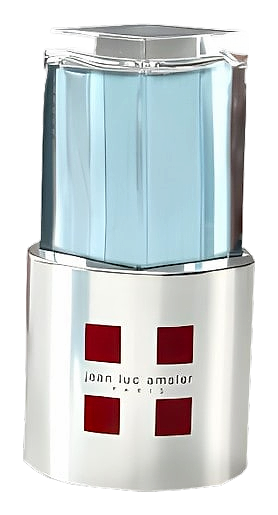

The Story
Why it exists.
The beginning
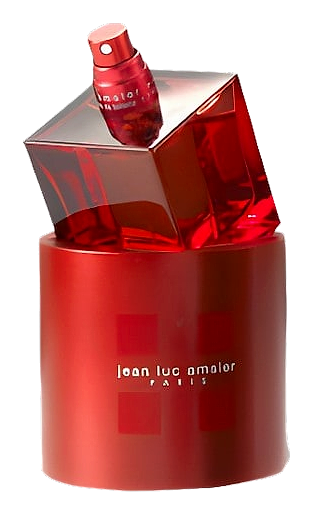
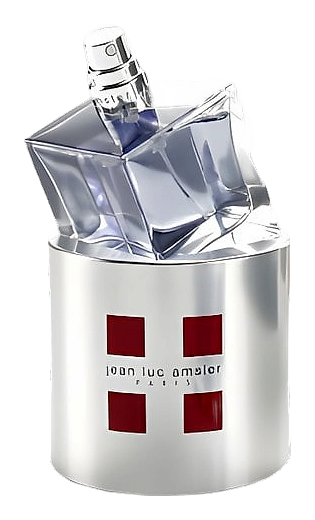
In 2000, Jean Luc Amsler released Homme. The brief was restraint. The formula was composed by Edouard Fléchier, a perfumer with a reputation for careful, weighted constructions. For Amsler, Fléchier built a chypre composition that read more like a clean, ozonic fresh-cut than the dense, sweet profiles dominating the early 2000s men's market. The choice said everything about the fragrance: a scent that wanted to be worn daily, not admired once. Two fragrances for a wardrobe, not a collection. The bottle arrived simple, the juice inside anything but ordinary. Fléchier's hand shows in how the citrus top burns off within minutes, leaving a quiet green heart of violet leaf and cucumber that reads almost aquatic in its clarity.
What makes Homme unusual is the gap between its reputation and its actual structure. Chypre in name, but the oakmoss here does quiet work beneath a wave of cucumber, violet leaf, and bergamot. Fléchier anchored the composition in amber and sandalwood rather than the synthetic musks that flooded men's scent at the turn of the millennium. The aldehyde opening gives it that nose-tickling blast reviewers still mention, a cold sparkle that arrives sharp and then disappears almost entirely.
The evolution
The first ten minutes are the loudest Homme ever gets. An aldehyde spark, cold and almost metallic, opens alongside bergamot and mandarin, and the cucumber reads as a literal cooling sensation, like pressing a chilled glass against your neck. Then the aldehyde burns off and the violet leaf steps forward, green and faintly minty, with nutmeg warming the edges. By the two-hour mark the cucumber hasn't left, it's just stopped shouting, settling into the background while amber and a thread of oakmoss rise underneath. The sandalwood stays polite through the drydown, never taking over. The aldehyde's icy opening gives way to a green floral heart, then the chypre base asserts itself with that earthy oakmoss signature that defines the family. Reviewers note projection as very good to excellent, and longevity that runs deep, ten to twelve hours on skin without needing to reapply.
Cultural impact
Jean Luc Amsler Homme sits in an odd corner of fragrance culture. It never had the press push of a major fashion house launch, which meant it found its audience quietly, among wearers who valued classical chypre structure over the louder profiles dominating the men's market at the time. Wearers describe it as the scent of someone who wears a cologne rather than a statement fragrance, the kind of person who already knows what they like and does not need to announce it. The fragrance rewards repeat wear rather than first-impression performance.