The Story
Why it exists.
The beginning
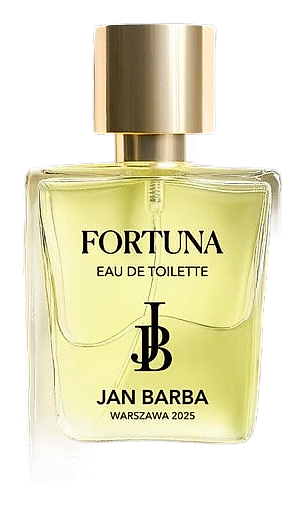
Bartosz Puzio wanted to bottle a moment: standing beneath a mimosa tree in full bloom on the Sicilian coast, sea air stirring the yellow flowers overhead. Pale-green olive groves offered shade. That was the brief. Bergamot and bitter orange opened the composition bright and clean, while sandalwood and benzoin resin gave it somewhere warm to land. The result is light, spacious, transparent, Fortuna invites you on a shared, joyful journey. Buona fortuna.
Fortuna opens on a bright citrus accord, bitter orange and bergamot arriving clear and immediate. Mediterranean herbs thread through the top notes, giving the opening a green, slightly bitter edge. The marine quality arrives quickly, adding a mineral, almost salty dimension that lifts the composition. As the citrus begins to fade, the mimosa blooms fully, its honeyed sweetness softening the entire structure. The powdery notes keep the sweetness from becoming cloying while the herbs remain present but muted, woven into the floral rather than competing.
The evolution
The opening is bright and citrus-forward, bitter orange and bergamot arriving clear, with Mediterranean herbs already threading through. The marine quality arrives quickly, giving the top a mineral, almost salty edge. Coastal air. Waves retreating from warm stone. The honeyed sweetness arrives and the whole composition softens. The heart phase is warm, floral, and slightly sweet, the herbs are still present but muted, woven into the mimosa rather than competing with it. The structure remains light and transparent, the way mimosa should smell under open sky. Powdery notes lift the drydown, keeping it soft and close to the skin.
Cultural impact
Mimosa occupies a distinctive place among floral materials, its honeyed, slightly powdery character setting it apart from more common floral choices like rose or jasmine. In Fortuna, it becomes the focal point around which the entire composition is built, supported by marine notes that add mineral depth and herbs that provide green, aromatic counterpoint. The result feels both familiar and unexpected, a floral fragrance that resists easy categorization.
The House
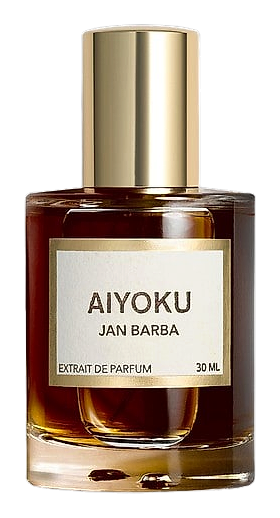
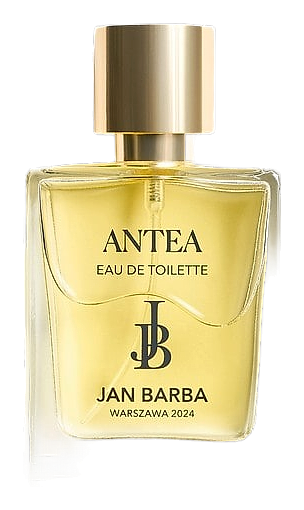
JAN BARBAJan Barba is a Warsaw‑based niche perfume house that blends botanical purity with a slow‑creation ethos. Since its inception, the label has offered extrait de parfum and eau de toilette concentrations that emphasize natural ingredients and thoughtful composition. The brand’s catalogue includes Metarosa (2021), Aiyoku (2020), Olympia (2023) and the recent Antea (2024), each reflecting a restrained yet expressive style.
The Creator
Bartosz PuzioHis technique favors a balanced architecture: a clear opening, a nuanced heart, and a lingering base that evolves over hours. He often begins with a single accord, then layers supporting ingredients to create depth without clutter.