The Story
Why it exists.
The beginning
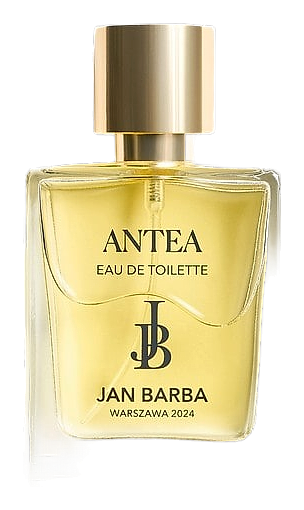
Bartosz Puzio named Antea after the 16th-century portrait by Parmigianino, depicting a woman of subtle refinement, draped in a rich, ornate gown, and a gaze that holds its ground. The painting doesn't shout. Neither does the fragrance. It moves quietly through a room, leaving a presence that lingers well after you've gone. Launched in 2024, Antea marks the latest chapter in a Warsaw studio built on listening to materials before forcing them into shapes.
The hedione-ionone pairing is the structural surprise. Hedione creates the illusion of jasmine without the indolic bite; ionones add that powdery violet dimension that most perfumers treat as incidental. Together they produce a heart that reads as floral but resolves as something stranger, the smell of petals dried between the pages of an old book. Carnation and May rose anchor the composition, adding spice and dew respectively, but neither dominates. The real architecture lives in how these heart materials interact with the base: Iso E Super acts as a carrier, extending the violet and sandalwood so they arrive in sequence rather than all at once.
The evolution
The opening arrives fast. Cardamom and pink pepper surge with an almost aggressive freshness, the kind that catches you off-guard if you're expecting something soft. Coriander adds a brief herbal lift before the spice settles into the heart. The transition isn't gentle. Carnation pushes through, edged with something sharper from the cinnamon, while Hedione blooms underneath like heat rising from warm skin. The rose doesn't announce itself. It arrives sideways, lending a quiet dewiness that flattens the spice's edge. As the composition evolves, Iso E Super takes over, becoming skin-like, close, warm, slightly sweet. Vanilla and sandalwood anchor the drydown, but the heliotropin is the quiet win: it adds an almond-floral softness that rounds the entire composition without becoming obvious. On fabric, Antea lingers until morning.
Cultural impact
Luca Turin called it Jan Barba's most accomplished fragrance to date. The composition occupies a specific space: warm enough for the cooler months but worn year-round by those who appreciate powdery florals. The woody-violet drydown carries a complexity that echoes classical structures while the hedione-ionone interplay grounds it in something contemporary. Antea succeeds not through volume but through precision, finding power in what it chooses not to say.