

    Brand Profile

    Jan Barba is a Warsaw‑based niche perfume house that blends botanical purity with a slow‑creation ethos. Since its inception, the label has…More

    Poland·Est. 2015·Site

    4.0

    Rating

    Just Landed

    New Arrivals

    The latest additions to the JAN BARBA collection.

    12
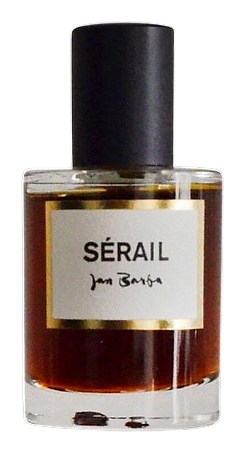
    Sérail by JAN BARBA
    4.0

    Sérail

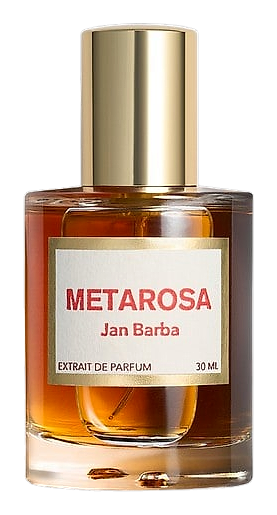
    Metarosa by JAN BARBA
    Best Seller
    4.2

    Metarosa

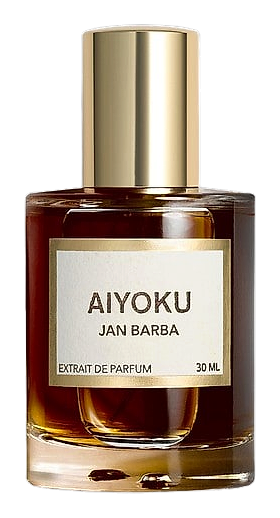
    Aiyoku by JAN BARBA
    Best Seller
    4.2

    Aiyoku

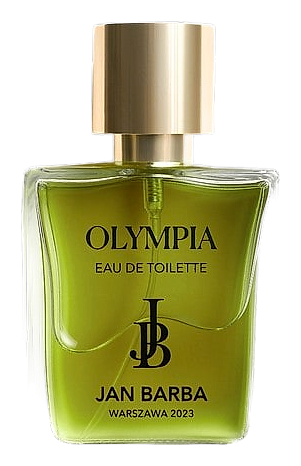
    Olympia by JAN BARBA
    Best Seller
    4.1

    Olympia

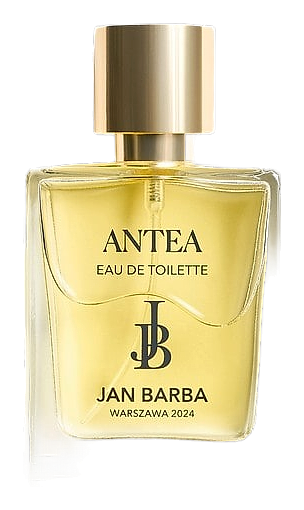
    Antea by JAN BARBA
    4.1

    Antea

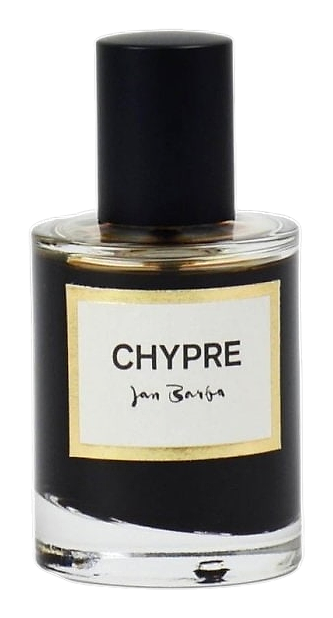
    Chypre by JAN BARBA
    4.0

    Chypre

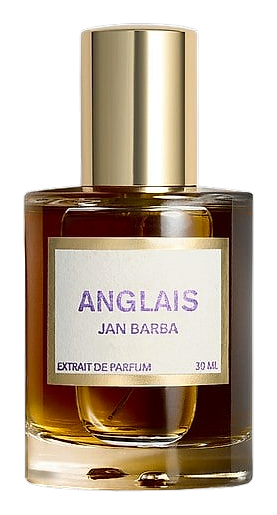
    Anglais by JAN BARBA
    3.9

    Anglais

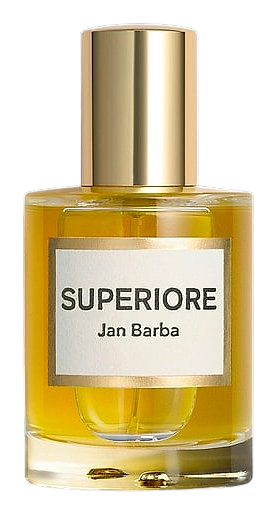
    Superiore by JAN BARBA
    3.9

    Superiore

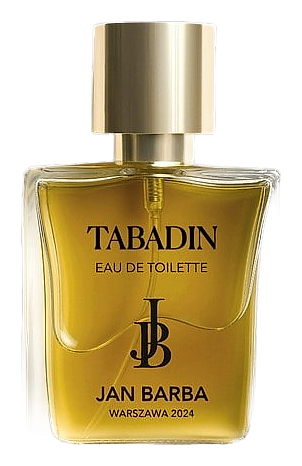
    Tabadin by JAN BARBA
    3.6

    Tabadin

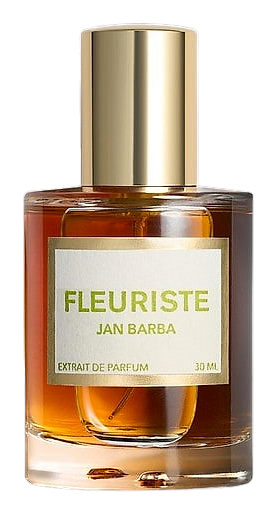
    Fleuriste by JAN BARBA
    3.6

    Fleuriste

    Gloria by JAN BARBA
    3.5

    Gloria

    Fortuna by JAN BARBA
    New
    3.2

    Fortuna

    The Heritage

    The Story of JAN BARBA

    Jan Barba is a Warsaw‑based niche perfume house that blends botanical purity with a slow‑creation ethos. Since its inception, the label has offered extrait de parfum and eau de toilette concentrations that emphasize natural ingredients and thoughtful composition. The brand’s catalogue includes Metarosa (2021), Aiyoku (2020), Olympia (2023) and the recent Antea (2024), each reflecting a restrained yet expressive style.

    Heritage

    The story of Jan Barba began in 2015 when Bart Puzio, a self‑taught perfumer with a background in graphic design, decided to turn his fascination with botanical extracts into a fragrance line. Operating out of a modest studio in Warsaw, Puzio sourced raw materials from local farms and began experimenting with small‑batch distillations. By 2018 the house launched its first commercial scents, positioning itself as a maker of natural perfumes for discerning consumers. Early releases such as Chypre (2018) and Superiore (2018) demonstrated a preference for clear structures built around single‑note inspirations. Over the next few years the brand expanded its palette, introducing Aiyoku in 2020, a scent inspired by Japanese tea ceremonies, and Metarosa in 2021, a modern take on the classic rose accord. 2023 saw the arrival of Olympia, a floral‑amber composition that referenced the mythic spirit of the Olympic Games, while 2024 brought two new offerings, Antea and Tabadin, both highlighting the house’s commitment to botanical storytelling. Throughout its growth Jan Barba has remained a boutique operation, distributing through authorised retailers in nine countries and maintaining a direct relationship with its audience via the brand’s website and curated pop‑up events. The house’s evolution reflects a steady accumulation of expertise rather than rapid expansion, allowing each fragrance to be introduced after a period of careful refinement.

    Craftsmanship

    Production at Jan Barba follows a hands‑on, small‑batch model. Raw botanicals arrive at the Warsaw workshop after being inspected for purity and aroma intensity. Puzio then performs a series of macerations, allowing the material to release its volatile compounds over weeks. Distillation, when used, takes place in copper alembics that the house rents from a local cooperage, preserving the subtle nuances of the extracts. Once the base accord is established, the perfumer adds supporting notes, always monitoring the evolution with a calibrated olfactory wheel. Each formula is recorded in a leather‑bound ledger, a practice that mirrors traditional apothecary methods. Quality control involves blind testing by a panel of three independent noses, none of whom are employed by the brand, to verify consistency across batches. The final product is filtered through stainless steel mesh, then decanted into glass bottles that have been baked at 150 °C to eliminate any residual scent. Packaging materials are sourced from recycled glass suppliers, and the brand ships its fragrances in biodegradable padding. This meticulous chain—from field to bottle—ensures that the final perfume reflects the original botanical intent without compromise.

    Design Language

    Visually, Jan Barba adopts a minimalist palette that lets the fragrance speak for itself. Bottles are cut from clear, thick glass with a subtle amber tint, capped by brushed aluminum that bears the brand’s simple serif logotype. The label, printed on recycled paper, features a single line of text in black, often accompanied by a small illustration that hints at the scent’s inspiration—a rose sketch for Metarosa, a tea leaf for Aiyoku. Store displays echo this restraint, using raw wood planks and muted lighting to create an intimate atmosphere. Marketing imagery favors monochrome portraits of the perfumer at work, interspersed with close‑up shots of raw ingredients, reinforcing the narrative of craftsmanship. The website follows the same visual language, employing generous white space, clean typography, and scroll‑triggered animations that reveal ingredient stories one layer at a time. This cohesive aesthetic positions Jan Barba as a brand that values substance over spectacle.

    Philosophy

    Jan Barba frames perfumery as a quiet dialogue between scent and memory. The brand’s creative vision rests on three pillars: botanical integrity, measured composition, and personal resonance. Rather than chasing trends, the house selects raw materials that can be traced to their origin and lets their innate character guide the formula. Puzio describes his approach as "listening to the material" before adding any synthetic accent, ensuring that each note serves a purpose. The label also values transparency; ingredient lists are published on the website, and sourcing stories appear alongside each launch. Sustainability informs decisions at every stage, from choosing suppliers who practice organic farming to limiting batch sizes to reduce waste. By treating each fragrance as a standalone statement, Jan Barba encourages wearers to experience scent as a personal presence rather than a decorative layer.

    Key Milestones

    2015

    Bart Puzio establishes Jan Barba in Warsaw, focusing on natural perfume creation.

    2018

    First commercial releases, Chypre and Superiore, debut in the market.

    2020

    Aiyoku launches, drawing inspiration from Japanese tea culture.

    2021

    Metarosa arrives, offering a contemporary interpretation of rose.

    2023

    Olympia releases, blending floral and amber notes.

    2024

    Antea and Tabadin debut, expanding the brand’s botanical narrative.

    At a Glance

    Brand profile snapshot

    Origin

    Poland

    Founded

    2015

    Heritage

    11

    Years active

    Collection

    1

    Fragrances released

    Avg Rating

    4.0

    Community sentiment

    Release Rhythm

    2025
    1
    2024
    2
    2023
    1
    2022
    1
    2021
    2
    2020
    2
    2019
    1
    2018
    2
    janbarba.com

    Did You Know?

    Interesting Facts

    Distinctive details and defining moments that shape the house personality.

    01

    The brand’s founder, Bart Puzio, has no formal perfumery training; he learned through self‑directed study and hands‑on experimentation.

    02

    Jan Barba’s bottles are hand‑finished in a small workshop that also produces custom glass for boutique wineries.

    03

    All fragrance ingredients are listed on the website, and the brand updates the list whenever a new supplier is added.

    04

    The label’s name combines the founder’s first name with the Italian word “Barba,” meaning “beard,” a nod to the traditional herbal tinctures once prepared by bearded apothecaries.

    The Artisans

    The Perfumers