    Brand Profile

    JMP Artisan Perfumes is a Polish niche house that emerged in 2019 under the direction of perfumer Jakub Pietrynka. The label focuses on smal…More

    Poland·Est. 2019·Site

    4.0

    Rating

    Just Landed

    New Arrivals

    The latest additions to the JMP Artisan Perfumes collection.

    15
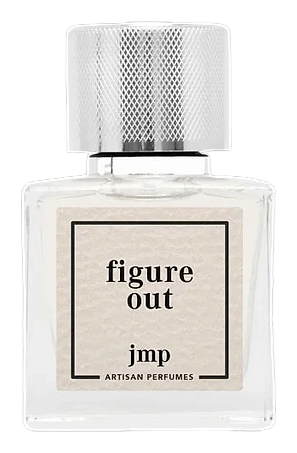
    Figure Out by JMP Artisan Perfumes
    4.0

    Figure Out

    Fir of the Light by JMP Artisan Perfumes
    Best Seller
    4.6

    Fir of the Light

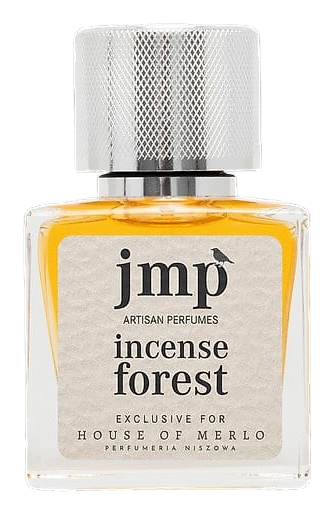
    Incense Forest by JMP Artisan Perfumes
    Best Seller
    4.4

    Incense Forest

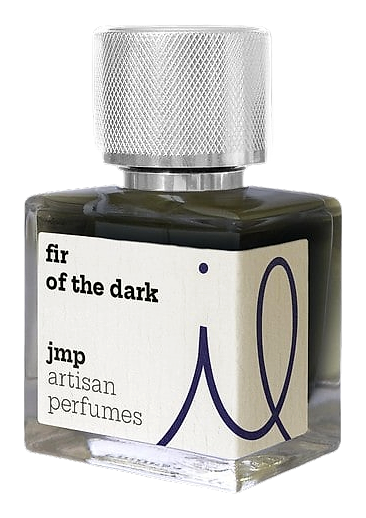
    Fir of the dark by JMP Artisan Perfumes
    Best Seller
    4.3

    Fir of the dark

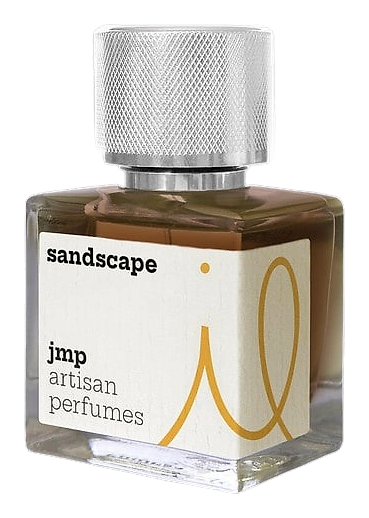
    Sandscape by JMP Artisan Perfumes
    4.1

    Sandscape

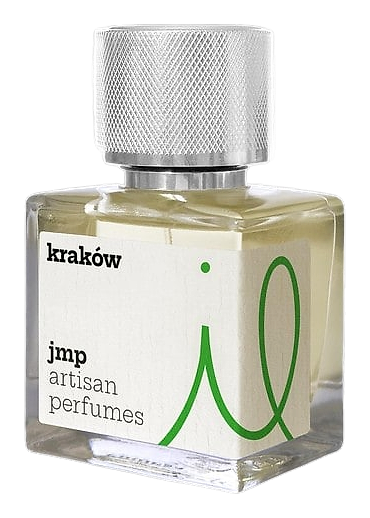
    Krakow by JMP Artisan Perfumes
    4.1

    Krakow

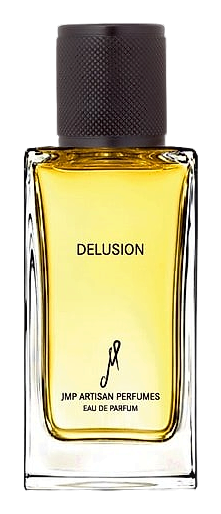
    Delusion by JMP Artisan Perfumes
    4.0

    Delusion

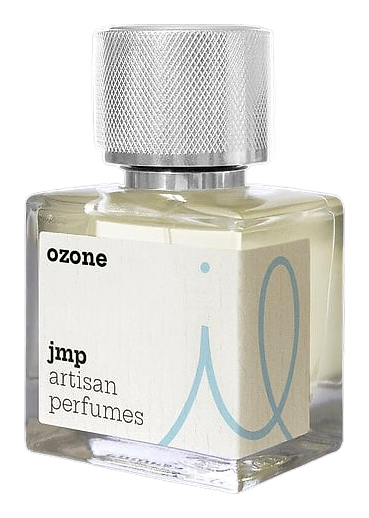
    Ozone by JMP Artisan Perfumes
    4.0

    Ozone

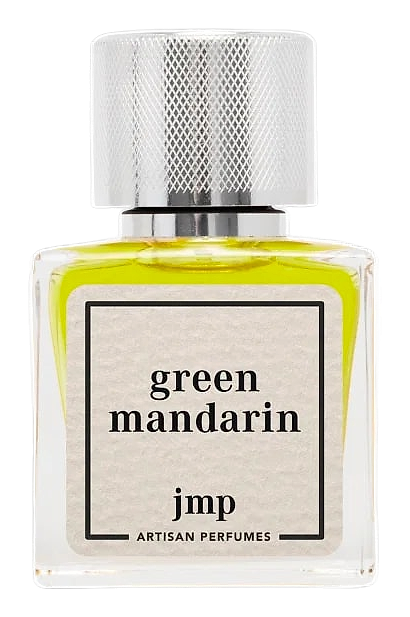
    Green Mandarin by JMP Artisan Perfumes
    New
    3.8

    Green Mandarin

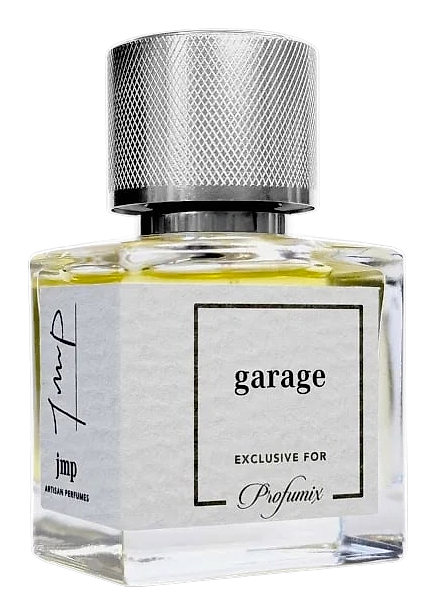
    Warsztat/Garage by JMP Artisan Perfumes
    New
    3.7

    Warsztat/Garage

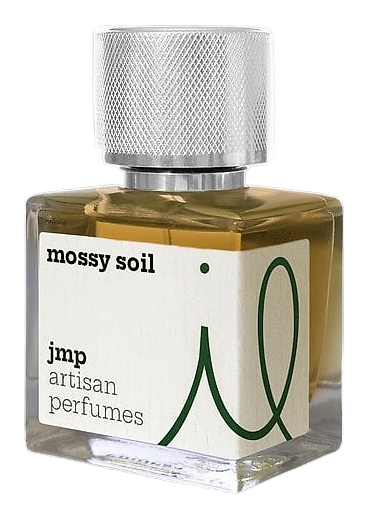
    Mossy Soil by JMP Artisan Perfumes
    3.6

    Mossy Soil

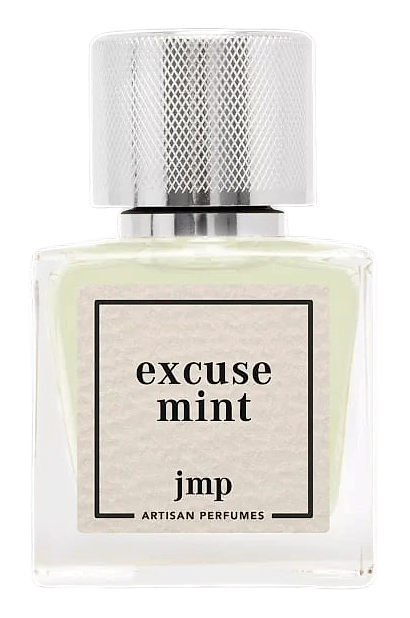
    Excuse Mint by JMP Artisan Perfumes
    New
    3.6

    Excuse Mint

    1 of 2

    The Heritage

    The Story of JMP Artisan Perfumes

    JMP Artisan Perfumes is a Polish niche house that emerged in 2019 under the direction of perfumer Jakub Pietrynka. The label focuses on small‑batch creations that blend natural inspiration with modern technique. Its catalogue spans forest‑driven compositions like Fir of the Light (2024) to urban‑edge scents such as Warsztat/Garage (2025). Each launch arrives in a minimalist bottle that lets the fragrance speak for itself, inviting collectors to explore a evolving olfactory map.

    Heritage

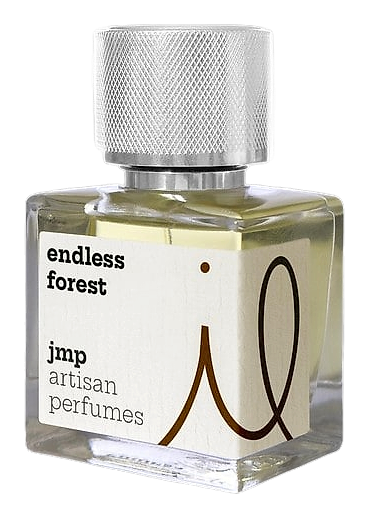
    Jakub Pietrynka founded JMP Artisan Perfumes in Warsaw in 2019 after years of collecting and studying fragrance history. The brand’s first public offering arrived that same year with Endless Forest and Mossy Soil, two scents that earned modest attention in Polish perfume forums for their raw, woodland character. In 2020 the house introduced Delusion, a darker, incense‑laden work that signaled a willingness to push beyond the green‑focused palette of its debut. 2022 saw the release of Sandscape, a composition that referenced arid horizons and demonstrated the brand’s expanding geographic imagination. 2023 added Incense Forest and Krakow, the latter paying homage to the city’s historic market squares with a blend of smoked woods and citrus. The following year the line grew quickly: Fir of the Light and Fir of the Dark arrived side by side, offering contrasting takes on coniferous notes, while Figure Out and Ozone explored minimalist abstraction and clean marine accords. 2025 introduced Green Mandarin, a bright citrus‑green hybrid, and Warsztat/Garage, a gritty urban narrative built around metallic and oily accords. Throughout its first six years, JMP has remained independent, producing limited runs that sell out within months, and it has cultivated a reputation among collectors for precise, emotion‑driven storytelling. The house celebrates each anniversary with a brief reflection on its journey, often highlighting the balance between craft discipline and experimental freedom.

    Craftsmanship

    Production at JMP follows a hands‑on, small‑batch model. Formulas are drafted in Pietrynka’s Warsaw studio, where he tests ingredients on blotter strips before committing to a full batch. Once a composition is approved, the house contracts a local laboratory that adheres to EU cosmetic regulations for mixing and bottling. Raw materials include both natural extracts—such as Siberian fir oil used in the 2024 Fir series—and synthetics that provide stability and depth. The brand sources many natural absolutes from European suppliers with documented harvest practices, and it verifies each shipment with certificates of analysis when available. Quality control includes a two‑stage stability test: a short‑term assessment at 40 °C for one week, followed by a longer storage test at room temperature for three months. Only batches that pass both checks reach the market. Bottles are hand‑filled in a climate‑controlled environment to preserve aromatic integrity. Labels are printed on recycled paper with soy‑based inks, reflecting the house’s modest ecological stance. The limited production run—typically 200 to 500 units per scent—allows JMP to monitor each release closely and maintain a consistent olfactory profile across releases.

    Design Language

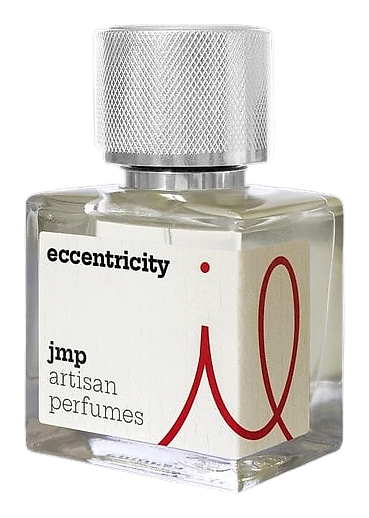
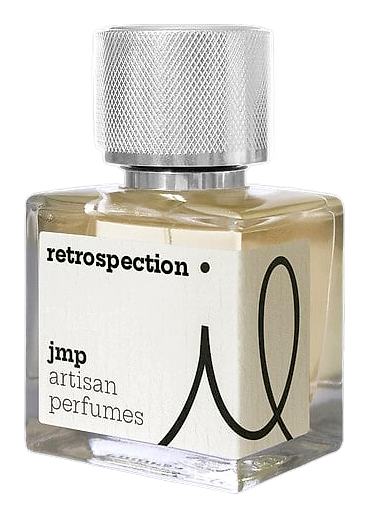
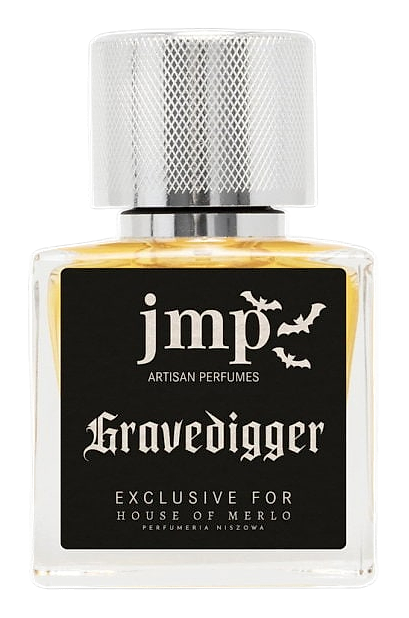
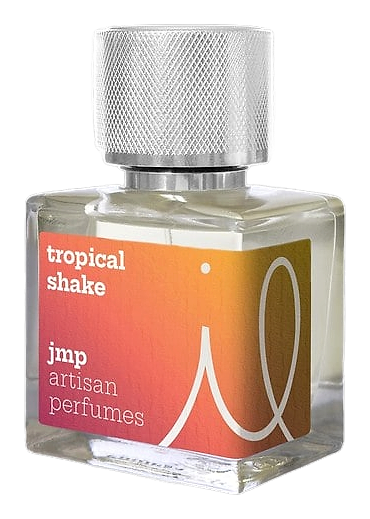
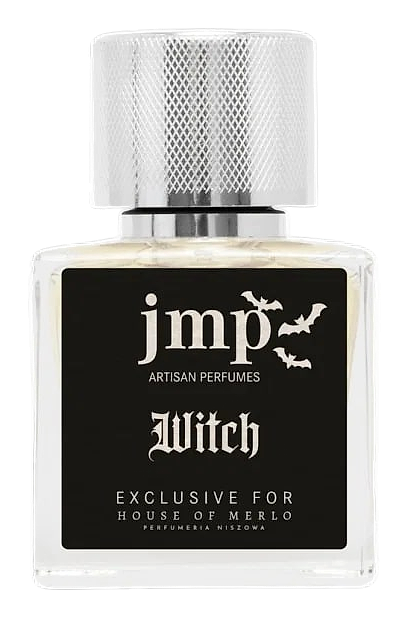
    JMP’s visual language mirrors its olfactory restraint. Bottles feature clear, square‑shouldered glass with a thin, matte black cap, allowing the liquid’s hue to become the focal point. The label consists of simple black typography on a white background, displaying the fragrance name, year, and a brief note list. This minimalism echoes the brand’s belief that scent should not be hidden behind elaborate packaging. Marketing images often show the bottles against muted, natural backdrops—forests, stone walls, or industrial workshop interiors—reinforcing the connection between the perfume’s story and its visual setting. The website adopts a clean layout with ample white space, using high‑resolution close‑ups of the bottles and occasional black‑and‑white photographs of Pietrynka at work. Social media posts follow the same aesthetic, favoring monochrome palettes and concise captions that focus on the scent’s inspiration rather than promotional language. This consistent visual approach has helped the brand stand out in a crowded niche market where over‑designed packaging is common.

    Philosophy

    JMP approaches perfumery as a dialogue between memory and material. Pietrynka describes his work as a search for emotions that can be captured in scent, a premise that guides every brief. The brand avoids generic claims of luxury; instead it lets the composition’s structure convey its intent. Ingredients are chosen for their narrative potential rather than trend alignment, and each fragrance is presented without overt marketing slogans. JMP values transparency, often sharing the exact note list and the inspiration behind a scent on its website and in interview snippets. The house treats each launch as a chapter in a larger story, allowing earlier releases to inform later experiments while preserving distinct identities. Sustainability appears in the choice of recyclable glass for bottles and a preference for responsibly sourced raw materials, though the brand does not claim certifications it cannot verify. Community feedback influences future projects, but decisions remain rooted in the perfumer’s personal archive of scents, sounds, and places.

    Key Milestones

    2019

    JMP Artisan Perfumes launches with Endless Forest and Mossy Soil, establishing its forest‑centric foundation.

    2020

    Delusion releases, marking the house’s first foray into darker, incense‑driven territory.

    2022

    Sandscape arrives, expanding the brand’s geographic narrative to arid landscapes.

    2023

    Incense Forest and Krakow debut, showcasing both natural and urban inspirations.

    2024

    Fir of the Light and Fir of the Dark launch as complementary takes on coniferous notes.

    2025

    Green Mandarin and Warsztat/Garage broaden the palette with citrus‑green and industrial themes.

    At a Glance

    Brand profile snapshot

    Origin

    Poland

    Founded

    2019

    Heritage

    7

    Years active

    Collection

    1

    Fragrances released

    Avg Rating

    4.0

    Community sentiment

    Release Rhythm

    2025
    3
    2024
    4
    2023
    2
    2022
    2
    2020
    2
    2019
    2
    jmpartisanperfumes.com

    Did You Know?

    Interesting Facts

    Distinctive details and defining moments that shape the house personality.

    01

    JMP’s founder, Jakub Pietrynka, began his fragrance journey as a collector of vintage perfume bottles before creating his own scents.

    02

    The brand’s sixth anniversary was celebrated with a public comparison of Fir of the Light to niche classics Murkwood and Norne, noting a deeper complexity.

    03

    Each JMP bottle is filled by hand in a temperature‑controlled room to ensure consistent diffusion of volatile notes.

    04

    JMP sources Siberian fir oil directly from a small cooperative in the Ural region, a partnership that began after Pietrynka visited the forest in 2021.

    The Artisans

    The Perfumers