Ionones
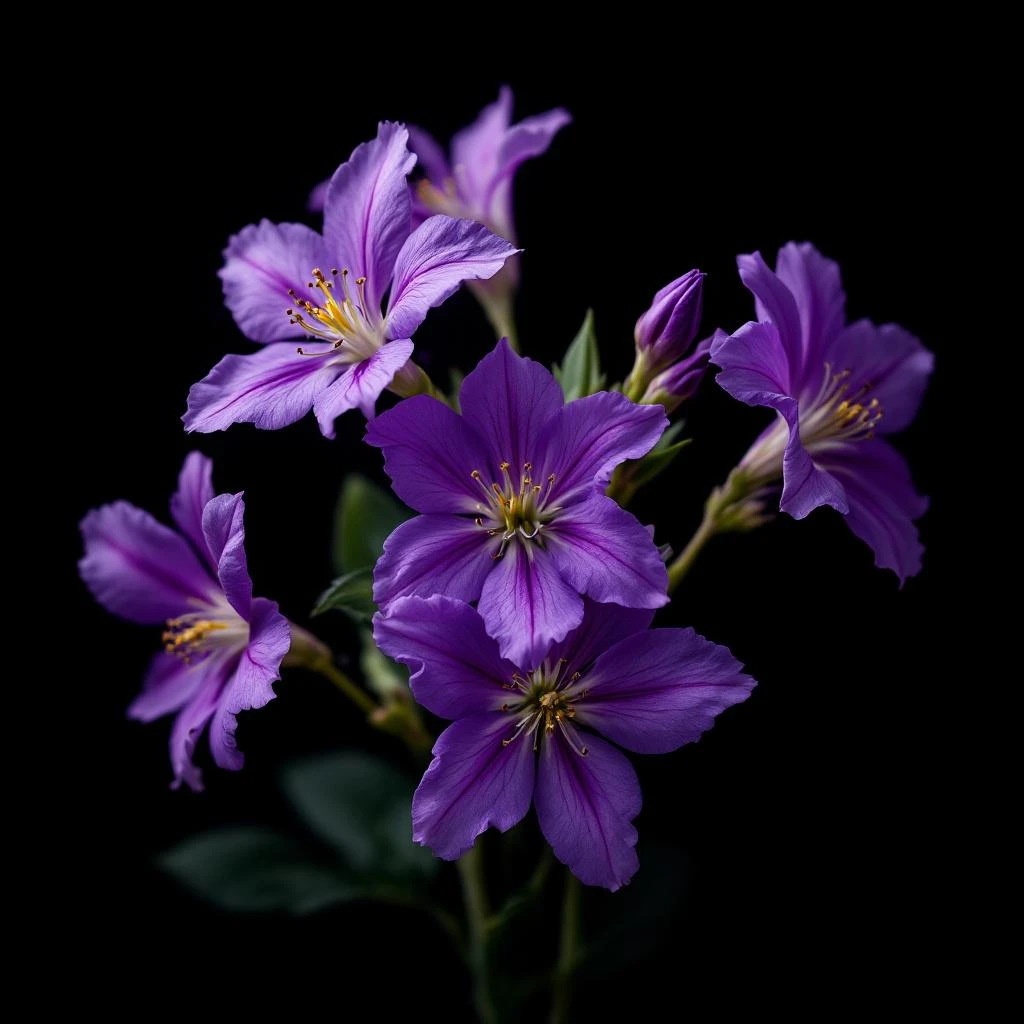
Ionones are a family of synthetic aroma molecules that reproduce the unmistakable scent of violets. Their powdery, floral character with soft woody undertones has shaped perfumery since 1898, bringing a cool, romantic quality to countless fragrances.
Character
How it smells
The powdery heart of violet, born in a lab
The human nose can detect alpha-ionone at just 0.1 parts per million, making it one of the most potent aroma chemicals known.
Pairs beautifully with

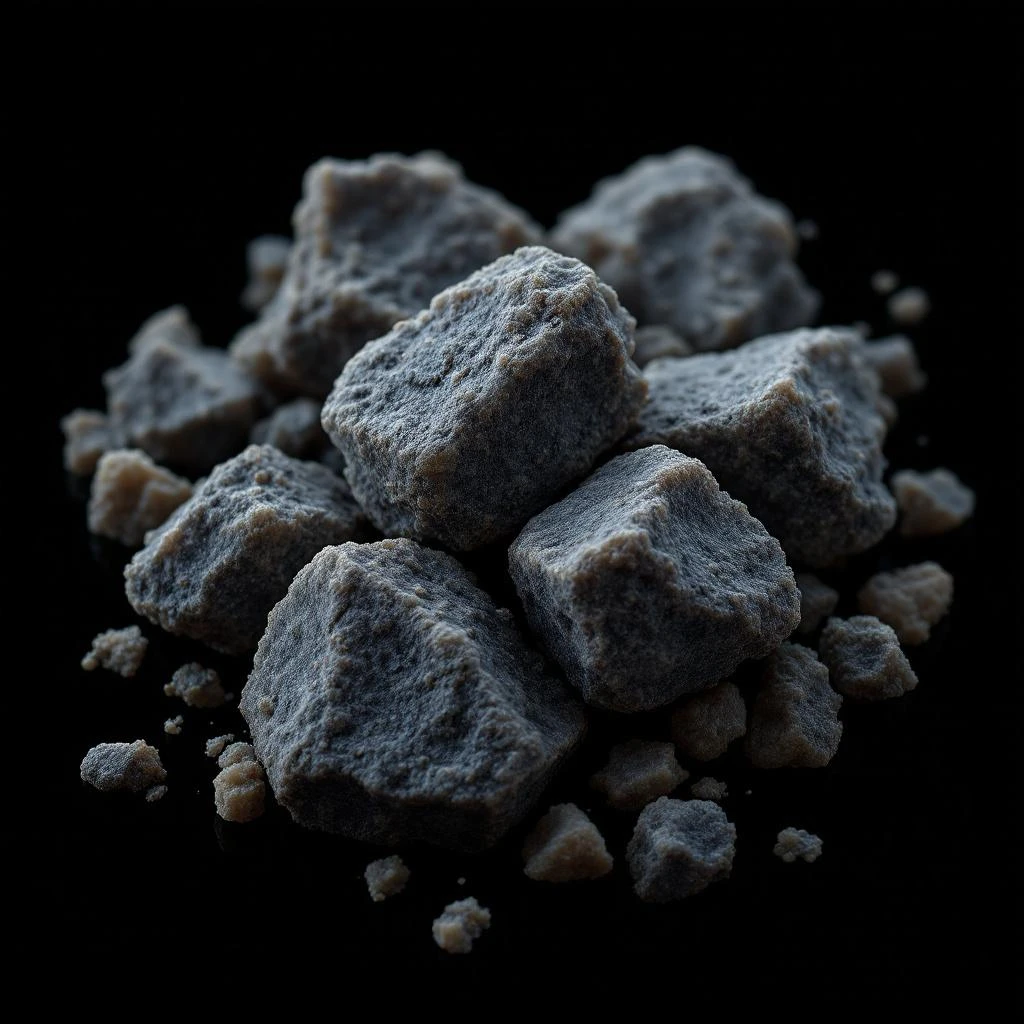
Origin
Southeast Asia
Modern perfumery began in the late nineteenth century with the commercial synthesis of aroma compounds. In 1893, chemist Ferdinand Tiemann first identified the ionone molecule structure while investigating compounds derived from essential oils. By 1898, Tiemann and colleague Kruger successfully synthesized ionone by reacting citral isolated from Litsea cubeba with acetone, a breakthrough that opened a new chapter in fragrance chemistry.
Before this discovery, perfumers relied on steam-distilled violet leaf absolutes or expensive Iris pallida root extracts to achieve violet notes. The synthetic alternative was transformative: ionones offered the characteristic powdery floralcy at a fraction of the cost and with remarkable consistency between batches. By the early 1900s, ionones had become a cornerstone of fine fragrance formulation, enabling perfumers to build airy, translucent floral compositions previously unattainable.
Their influence extended well beyond violet-focused scents, becoming a foundational building block in nearly every fragrance family.
Wears it best
Fragrances featuring Ionones
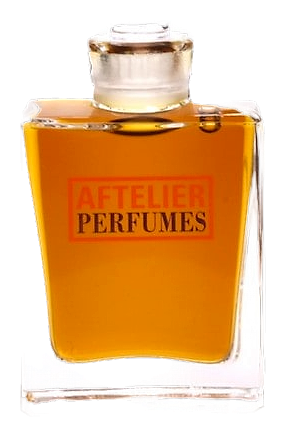
Brands
Brands known for Ionones
Good to know
Questions, answered
The essentials on Ionones in perfumery: how it smells, where it comes from, and how it behaves on skin.
What are ionones in perfumery?
Ionones are a family of synthetic aroma molecules that replicate the scent of violets. They offer a powdery, floral character with soft woody undertones and are among the most versatile ingredients used across fragrance families.
Who discovered ionones and when?
Chemist Ferdinand Tiemann identified the ionone structure in 1893. By 1898, Tiemann and colleague Kruger synthesized ionone by reacting citral from Litsea cubeba with acetone, marking a key milestone in fragrance chemistry.
Are ionones natural or synthetic?
Ionones are synthetic aroma chemicals produced through chemical synthesis from citral, which itself is isolated from plants like Litsea cubeba. Their molecular structure exists in nature but they are commercially produced in laboratories.
What does ionone smell like?
Alpha-ionone smells like fresh violet flowers with a cool, slightly woody edge. Beta-ionone carries deeper raspberry and dried violet leaf qualities. Gamma-ionone adds a warm, woody-fruity facet. Blended together, they create a rich, powdery floral impression.
Which perfumes feature ionones prominently?
Ionones appear widely across fine fragrances. They are especially prominent in violet-forward compositions like Givenchy Ysatis and Guerlain Parma Violets, but also function as a bridge note in floral, chypre, and fougere structures across many classic and modern perfumes.
What is the difference between alpha and beta ionone?
Alpha-ionone delivers the classic orris/violet flower impression, while beta-ionone leans toward raspberry and dried violet leaf. Perfumers combine both to achieve a rounded, natural violet character in their compositions.
Why are ionones important in fragrance history?
Before ionones, achieving a violet note required expensive natural extracts from Iris pallida root or violet absolutes. Tiemann's discovery in the 1890s gave perfumers an affordable, consistent alternative that reshaped what was possible in floral fragrance design.
Do ionones appear in products beyond perfume?
Ionones and methyl ionones are used in cosmetics, soaps, and candles due to their stability and low cost. They are also employed as flavoring agents in food and beverages, where beta-ionone specifically contributes to raspberry and berry notes.