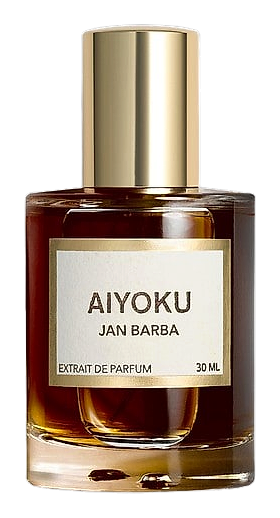

The Story
Why it exists.
The beginning
Aiyoku was born from an unlikely source: a book about Japan. Bartosz Puzio drew inspiration from Alex Kerr's Japan Lost, not the temples or the tea ceremonies themselves, but the sensory world those pages describe. The scent of a traditional wooden house saturated with resins. Damp moss on cedar bark. Undergrowth after rain. Puzio wanted to translate that atmosphere into liquid form, starting with the oldest trees and working outward to the forest floor.
What makes this composition interesting is how the materials interact across the pyramid. Verbena opens bright and sharp, a clean counterpoint to everything that follows. The heart brings oud and patchouli into a dark, resinous partnership that could easily tip into heaviness. Cypriol is the secret weapon here: its earthy, almost medicinal quality mimics the smell of wet forest floor better than almost any other material. Paired with vetiver's green smoke and oakmoss's characteristic dampness, it builds a base that feels like standing inside a living forest rather than standing near a bottle.
The evolution
The opening is brief, verbena flashes for maybe twenty minutes, citrus-cool and almost medicinal in its clarity. Then it steps aside for the heart. Oud and patchouli arrive together, warm and resinous, leaning into the cedar rather than fighting it. This middle phase lasts the longest, two to three hours of that dark wood-and-resin accord. The base is where the forest floor finally surfaces. Vetiver and cypriol push through, earth-heavy and mossy, with cedar holding everything together underneath. On skin, the drydown can stretch past eight hours. On clothing, it lingers for days.
Cultural impact
Aiyoku stands as a bold statement in the niche fragrance landscape, representing Jan Barba's commitment to capturing genuine atmospheric memory rather than market trends. The Warsaw-based house, founded by Bartosz Puzio in 2015, has positioned itself as an anti-brand in many ways, deliberately avoiding conventional marketing and focusing instead on scent authenticity. Aiyoku's cultural impact lies in its refusal to conform to the citrus-centric, safe-woody formulas that dominate niche perfumery. Instead, it offers a visceral, almost photographic impression of damp cedar forests, challenging wearers to engage with fragrance as environmental immersion rather than personal accessory.