
The Story
Why it exists.
The beginning
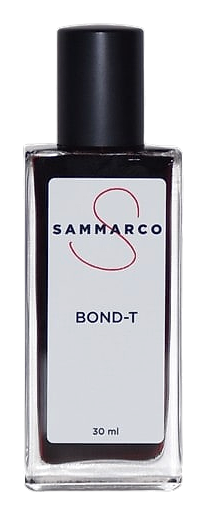
Bond-T began in Pisa, during a visit to the workshop of a master chocolatier. Giovanni Sammarco walked through rooms where cacao transformed, roasted, ground, pressed into something decadent, and found himself less interested in the finished bonbons than in the air itself. Thick, smoky, sweet without softness. He wanted to bottle that atmosphere: the raw material before it became confection. The result is not a dessert. It's the smell of a place where something dark and delicious is being made.
What makes Bond-T unusual is its refusal to commit fully to either side of the divide. The cocoa absolute provides genuine gourmand warmth, this is chocolate you can smell, not metaphor chocolate or suggestion chocolate. But the castoreum pulls against it, introducing a leathery, almost barnyard depth that keeps the sweetness from becoming innocent. Osmanthus, with its apricot-and-tea character, complicates the floral aspect further. The result is a fragrance that smells like something happened here, like work, like transformation, like a craft that leaves its marks on everything nearby.
The evolution
The opening arrives thick and immediate. Cocoa dominates but it's not the powdered kind, this is dark, almost acrid, the way cacao smells before sugar enters the conversation. Within minutes, the castoreum surfaces, bringing leather and a faint animalic undertone that anchors the sweetness. Patchouli builds steadily in the background, musty and earthy, taking over as the initial cocoa recedes. By hour three, the fragrance settles into a warm vanilla-tonka drydown that lingers for another five hours on most skin types. The osmanthus never fully disappears, it persists as a quiet floral ghost beneath the woody base, the apricot note threading through to the very end. On fabric, this one lasts overnight.
Cultural impact
Bond-T occupies a specific corner of niche perfumery: dark enough for leather lovers, sweet enough for gourmands, with enough animalic character to keep both camps arguing about which category wins. It sits comfortably alongside other unconventional orientals that refuse easy categorization, fragrances that smell like places rather than concepts.