The Story
Why it exists.
The beginning
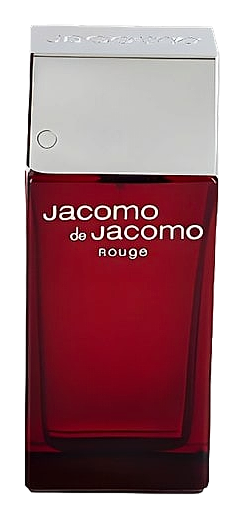
In 2002, a new interpretation of Jacomo de Jacomo arrived under the Rouge designation, departing from the structure of its predecessor. The original 1980 composition had established itself as a reference point for masculine fragrance, and this version sought to explore different territory while remaining within the same aromatic family. Where the first edition had favored clarity and directness, this one moved toward warmth and richness, deeper in tone and closer to skin. The shift in naming suggested a change in character, something more intense and enveloping than what had come before, without abandoning the woody foundation that defined the house style.
The opening presents mint and cardamom together, two notes that arrive in close succession rather than as distinct waves. The mint contributes a cool, green element while the cardamom brings its distinctive spice, and the combination creates an impression of freshness that is sharp without becoming harsh. Cedar and sandalwood follow, both present in the composition but offering different qualities: sandalwood tends toward creaminess while cedar provides a drier, more architectural quality.
The evolution
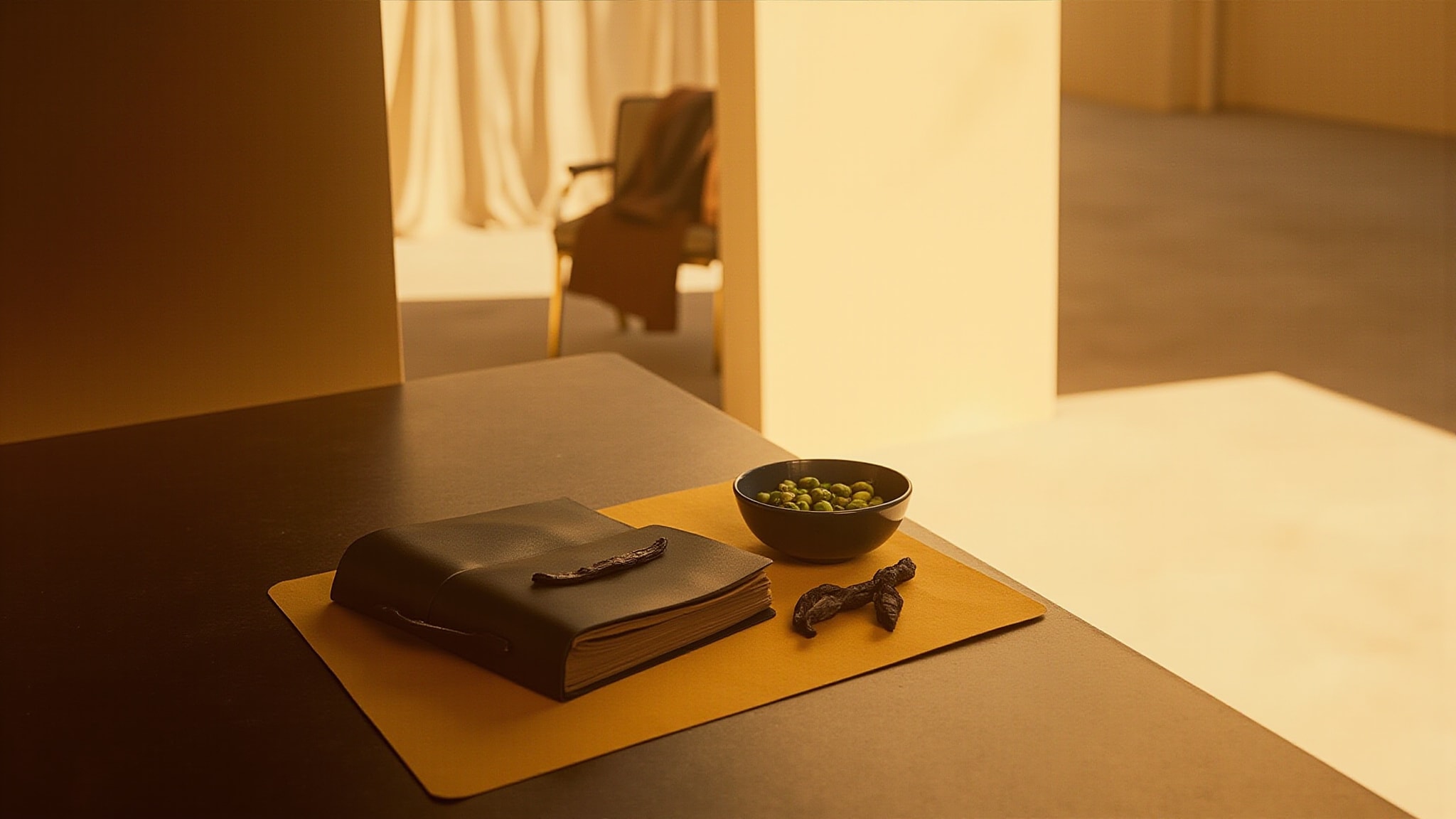
The opening makes its presence known clearly, with lemon oil providing brightness at the top and cardamom and mint arriving together to create a green, sharp impression. As time passes, the heart of the fragrance begins to emerge: cedar and sandalwood arrive as partners in the composition, with lily of the valley introducing a fleeting green note that appears briefly before receding. The base represents where this fragrance develops its most substantial character. Tonka and vanilla build gradually, praline sweetness accumulating on the skin, while frankincense adds a thin wisp of smoke that temper the sweetness without eliminating it. After several hours, the drydown settles into powdery vanilla, warm musk, and a lingering presence of patchouli. Throughout the wearing period, the sillage remains moderate, staying close to the skin in an intimate manner.
Cultural impact
Jacomo de Jacomo Rouge arrived during a period when masculine fragrance was evolving beyond the bold, aggressive aromatics that had characterized much of the previous decade. The fragrance offered an alternative approach through its vanilla-cedar-sandalwood triad, presenting depth and refinement rather than relying on loud projection standards. The composition represented a more nuanced take on masculine oriental design, one that emphasized elegance and substance over overt statement.