The Story
Why it exists.
The beginning
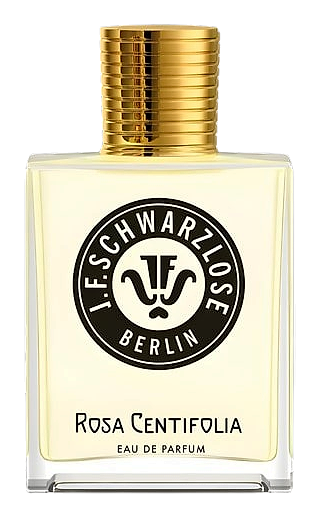
Rosa Centifolia takes its name from the old rose often called Rose de Mai, a flower shaped by layered petals. Véronique Nyberg composed this interpretation for J.F. Schwarzlose Berlin in 2022. The name points to romance, but the construction keeps the romance grounded. Petitgrain and cardamom bring a clipped, aromatic edge; rose and jasmine sambac supply the floral heart; vetiver, sandalwood, and myrrh pull the composition toward earth, leather, and smoke. As the fragrance develops, the rose remains clear within the greenery, while the darker base notes give the floral accord a dry, textured character. It is a rose portrait with its posture intact.
The unusual part is the push and pull. Petitgrain, cardamom, and osmanthus absolute make the opening feel leafy and almost cool, while bourbon geranium and rose bring a green floral bloom rather than a powdered bouquet. Jasmine sambac adds a polished, creamy brightness. Down below, bourbon vetiver, sandalwood, and Namibian myrrh replace softness with dry woods and resinous depth. The result moves between rose garden and workshop bench, floral but never sugary.
The evolution
At the start, the fragrance is a clean green lift with a bitter citrus edge and a flash of spice. Then the rose arrives, but not as a soft centerpiece. Bourbon geranium gives it a herbal, almost mint-like snap, while jasmine sambac rounds the middle with a creamy floral glow. The opening gradually gives way to warmth without losing its cool stem of petitgrain. In the drydown, vetiver and sandalwood make the composition lean earthy and leathery, with myrrh adding a dry, resinous shadow. It settles into a restrained floral woody musk, where the rose remains clear against woods, spice, and resin.
Cultural impact
Rosa Centifolia offers a modern expression of rose by placing the flower among contrasting materials rather than surrounding it with a purely sweet floral language. Petitgrain, cardamom, and osmanthus introduce a green and aromatic opening, while bourbon geranium and jasmine sambac shape the rose with herbal and creamy floral facets. Vetiver, sandalwood, and myrrh add dry woods and resinous depth. The result is floral but structured, romantic without becoming sugary, and suited to exploration by anyone who enjoys the tension between rose and spice, greenery, woods, and resin.
The House
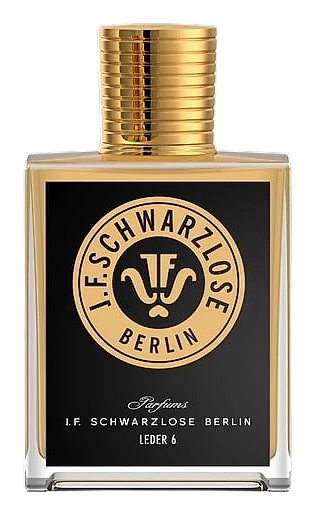
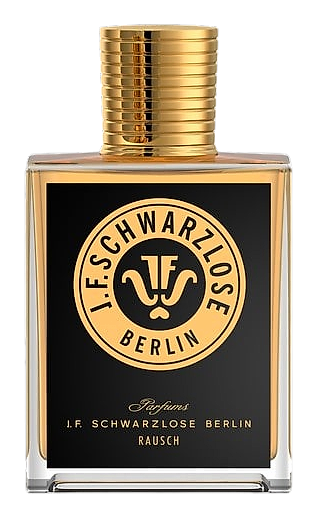
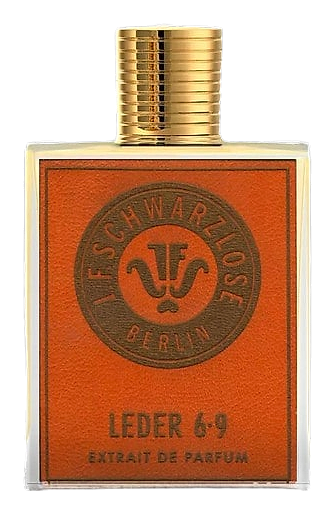
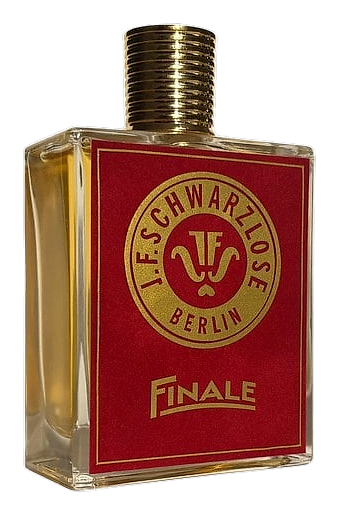
J.F. Schwarzlose BerlinJ.F. Schwarzlose Berlin traces its roots to a modest chemist’s shop opened in 1856 by Joachim‑Friedrich Schwarzlose, a piano maker who turned to pharmacy and colonial goods near Berlin’s Gendarmenmarkt. Over more than a century the house moved from serving local patrons to supplying the German imperial court, then endured two world wars before re‑emerging in the 2010s with a contemporary line of niche fragrances. Today the brand balances historic craft with a Berlin‑centric aesthetic, offering scents such as Parfum Captive #1 (2017), Leder 6·9 (2024) and Finale (2025) while keeping production small and ingredient‑focused.
The Creator
Véronique NybergNyberg works comfortably across citrus, gourmand, ambery, and woody territories. Her chemistry background gives her unusual confidence with unconventional combinations and the technical fluency to execute them.