The Story
Why it exists.
The beginning
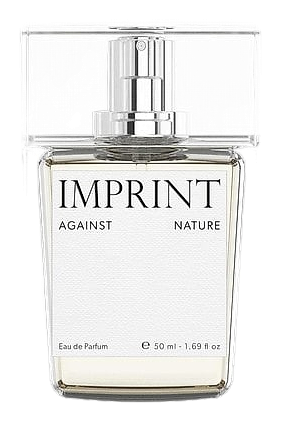
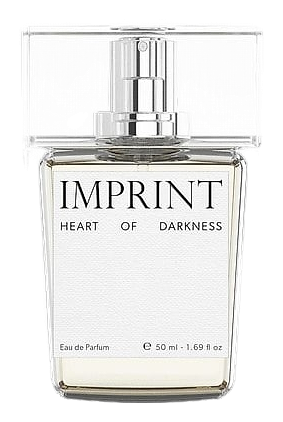
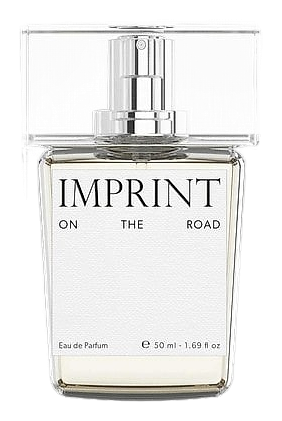
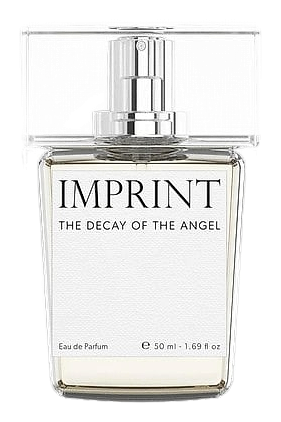
The Decay of the Angel is Timothy Han's translation of Yukio Mishima's 1971 novel. Mishima's title borrows from a Buddhist concept that charts the signs of a celestial being's decline: the withering of a floral crown, sweat beading on skin, robes growing soiled, dissatisfaction taking root, the slow tilt toward darkness. Han's approach to the fragrance treats that idea with the same care Mishima gave the prose, building around the text rather than against it. Released in 2016 through Imprint, the house Han founded around the idea of olfactory literature, the composition sits inside a body of work that treats each release as a chapter.
What's interesting is the structural choice. Frankincense and neroli open with the bright, almost ecclesiastical clarity of temple air, though that clarity doesn't last for long. The ylang-ylang and rose arrive next with botanical weight, the flowers thickening the composition into something far denser than the opening suggested was coming. Spanish cade, listed as juniper wood in the pyramids, and jasmine sambac bring the smoke and the sweat, pulling the temperature of the scent up and away from the cool incense that started everything.
The evolution
The opening is sharp and almost confrontational. Frankincense cuts through quickly, and within the first few minutes it has dragged the air aromatic rather than fruity, any sweetness in the citrus pulled toward something closer to peel than to juice. By fifteen minutes in, the incense has soaked into the ylang-ylang and rose, and the whole composition turns dense. White smoke, candlelight at the edge of vision, the first beads of something that reads less like sweat and more like condensation forming on a cool surface in a warm room. Around the half-hour mark, jasmine sambac and cade have taken over the structure. The cade is what holds the smoke together, a tarry note that smells like burning branches and ash at the same time.
Cultural impact
The Decay of the Angel gets worn by people who treat scent the way other people treat bookshelves. In a market crowded with compositions chasing abstract moods, this one starts from a named text and builds outward from there, and that structural choice shows in how the fragrance actually behaves on skin. It rewards attention over the first ten minutes, then more attention over the next three hours, then the kind of attention that notices what remains on a scarf the morning after. That patience is part of the appeal.
The House
ImprintImprint is a perfume publishing house from East London, founded by Timothy Han. Each fragrance is a story in scent, drawn from iconic works of literature and designed to unfold on the skin like pages in a novel.
The Creator
Timothy HanHan favors small‑batch production, which lets him experiment with rare or unconventional materials without compromising quality. He often layers synthetic accords with natural extracts to achieve textures that feel both familiar and alien.