



Heritage
A house, in its own words
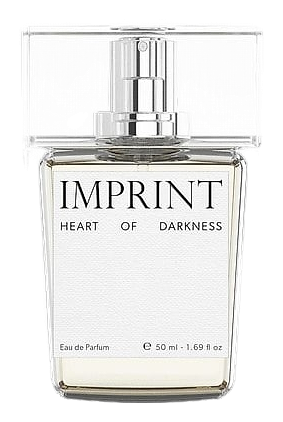
Imprint traces its roots to 2014, when Timothy Han launched the Timothy Han Edition Perfumes line, a project that highlighted the influence of Editions De Parfums on the wider niche fragrance scene. That early work laid the foundation for something larger. Han came to fragrance by an unconventional route. Before ever touching a beaker, he worked in fashion, serving as an assistant to John Galliano. That world of image-making, narrative, and editorial discipline shaped how he would later think about scent: less as a luxury good, more as a literary object. He taught himself perfumery without formal training, building his craft through curiosity and persistence. The rebranding from Timothy Han Edition to Imprint marked a clear evolution. Han began calling the house a "perfume publishing house," a phrase that signals ambition. Scent was no longer simply bottled; it was bound, edited, and released. The East London base anchors the brand in a creative district long associated with independent publishing and design. Imprint is now preparing a significant relaunch. The house has assembled executives drawn from Estée Lauder, L'Oréal, and Richemont, signaling a scale-up that bridges its indie origins with serious commercial infrastructure. A formal launch is planned for 2027, positioning Imprint as one of the most anticipated independent fragrance debuts on the near horizon. Imprint treats fragrance as literature. Each composition is conceived as a chapter, a short story, or a novella you wear, drawn from iconic works of literature and translated into raw materials rather than words. The house calls its scents olfactory stories, and the metaphor is meant literally. The intent is conversation, not compliance. Han has said Imprint makes scents for the independently minded, people who want a fragrance that provokes a question or a pause rather than blending into a crowd. The house resists the notion that niche perfumery must be obscure or precious. Stories do that work naturally; they earn attention through what they reveal. There is also a publishing logic to the catalogue. Like an indie press, Imprint favors carefully paced releases and distinct editorial voices rather than a flood of variants. Each launch carries a thesis. The framework allows the house to move between literary references without losing coherence, because the method stays the same even as the source material shifts. For Han, the project is also a quiet argument about what fragrance can be. It can carry a narrative. It can reward a second reading. And it can sit on your shelf like a slim volume, waiting to be picked up again.