Heritage
A house, in its own words
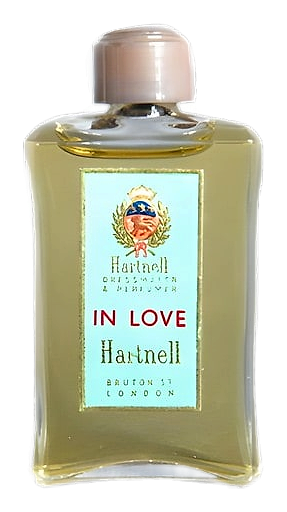
Sir Norman Bishop Hartnell KCVO was born in 1901 and built his fashion career with support from his sister and father. In May 1923, the family opened a shop at 10 Bruton Road in Mayfair, a date consistently associated with the beginning of Hartnell's independent business. His work developed into a couture practice known for evening dress and a broader commercial range that later included diffusion lines and cosmetics. Hartnell held royal appointments, serving as Dressmaker by Royal Appointment to Queen Elizabeth The Queen Mother and to the young Princess Elizabeth, later Queen Elizabeth II. That relationship places his name within a specifically British chapter of royal dressmaking rather than within the unrelated American company also called Norman Hartnell. The move into fragrance followed a fashion career that crossed several distinct phases: couture in 1920s London, expansion through later decades, and a cosmetics and diffusion business intended to widen access to the Hartnell name. In Love appeared in 1946 and is the earliest dated fragrance documented in the supplied research. Surviving catalogue information identifies it as a women's fragrance and associates vintage examples with talc, while separate fragrance references describe Norman Hartnell as an established perfume house with a sparse, period-centred catalogue. No reliably sourced founding date exists specifically for the fragrance business, so the defensible founding anchor is Hartnell's 1923 opening in Mayfair. His death in 1979 marks the end of the designer's life, but the fragrance record remains attached to the elegance, ceremony, and British identity of his fashion work. Hartnell's creative vision is best understood through the character of his fashion practice. He built a name in eveningwear, formal dress, and royal occasion rather than through a documented manifesto about perfumery. His designs often occupied a space between disciplined construction and visible glamour, qualities that suggest a fragrance philosophy based on polish, femininity, and atmosphere. The limited evidence gives no named perfumer, no ingredient brief, and no verified statement from the house explaining its olfactory principles. That absence matters. A responsible profile can connect In Love to the refined image of 1940s dress without assigning notes, concentration, or formulation claims that the sources do not support. The fragrance's title carries an intimate, romantic register, while its date places it within the wartime and post-war period Hartnell knew as a couturier. His later introduction of diffusion lines and cosmetics reflects a desire to make elements of his fashion world available beyond individually commissioned couture. Fragrance, talc, and related vanity products fit that broader extension of the Hartnell identity into everyday rituals. The approach can therefore be described as a transfer of couturier sensibility into personal adornment, not as a documented independent school of perfumery. Its central values appear to be presentation, occasion, femininity, continuity of style, and the transformation of clothing into a complete social image.