
Heritage
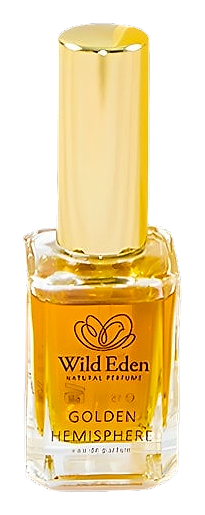
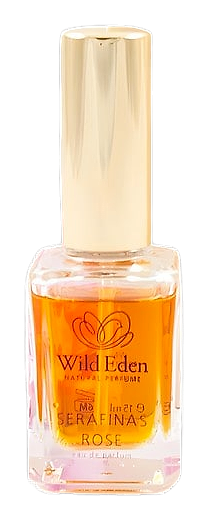
A house, in its own words
Wild Eden grew from Josephine Ademi's interest in fragrance as a natural, expressive craft. Ademi later wrote Natural Perfume, Balm for Body and Mind, connecting her work as a perfumer with a broader philosophy of fragrance and wellbeing. Public profiles of the house identify her as its founder and describe her as a passionate natural perfumer, giving the brand a clear origin in ingredient-led fragrance making rather than conventional fashion-led perfumery. The research supplied for Wild Eden does not establish a precise founding date, so the label's place in this history should be understood through its founder, her published work, and the early release of Serafinas Rose, Golden Hemisphere, and Ylang d'Amour in 2014. This shared launch year presents those fragrances as the beginning of a recognizable house identity. Wild Eden also appears within the wider context of British natural perfumery, where fragrance is made from essential oils and other naturally derived materials. The brand's story is therefore less about a corporate expansion and more about one perfumer building a practice around natural materials, individual scent, and the emotional potential of botanical aroma. Its visual and verbal identity reinforces that personal scale, presenting Wild Eden as an independent fragrance house with a defined point of view. Wild Eden's creative vision centers on fragrance as a natural medium for mood, memory, and self-expression. The house's names suggest that its compositions begin with a clear sensory or emotional character. Serafinas Rose evokes the softness and romantic association of rose, Ylang d'Amour draws attention to the sweet, exotic profile of ylang-ylang, and Golden Hemisphere suggests warmth, radiance, and a sense of faraway place. These names do not rely on abstract marketing language alone, they give each perfume an immediate narrative. Ademi's authorship on natural perfume and the mind-body relationship adds another dimension to the house philosophy. Fragrance is treated not simply as a decorative layer, but as something capable of shaping a personal atmosphere. The research also places Wild Eden within the natural perfume niche, where transparency about materials and the continued presence of botanical nuance are central concerns. This approach gives the house a distinct position within fragrance culture. Rather than presenting perfume as a manufactured accessory, Wild Eden frames it as an intimate encounter with nature. Its creative language consistently favors individual interpretation, emotional resonance, and the expressive character of natural ingredients.