The Story
Why it exists.
The beginning
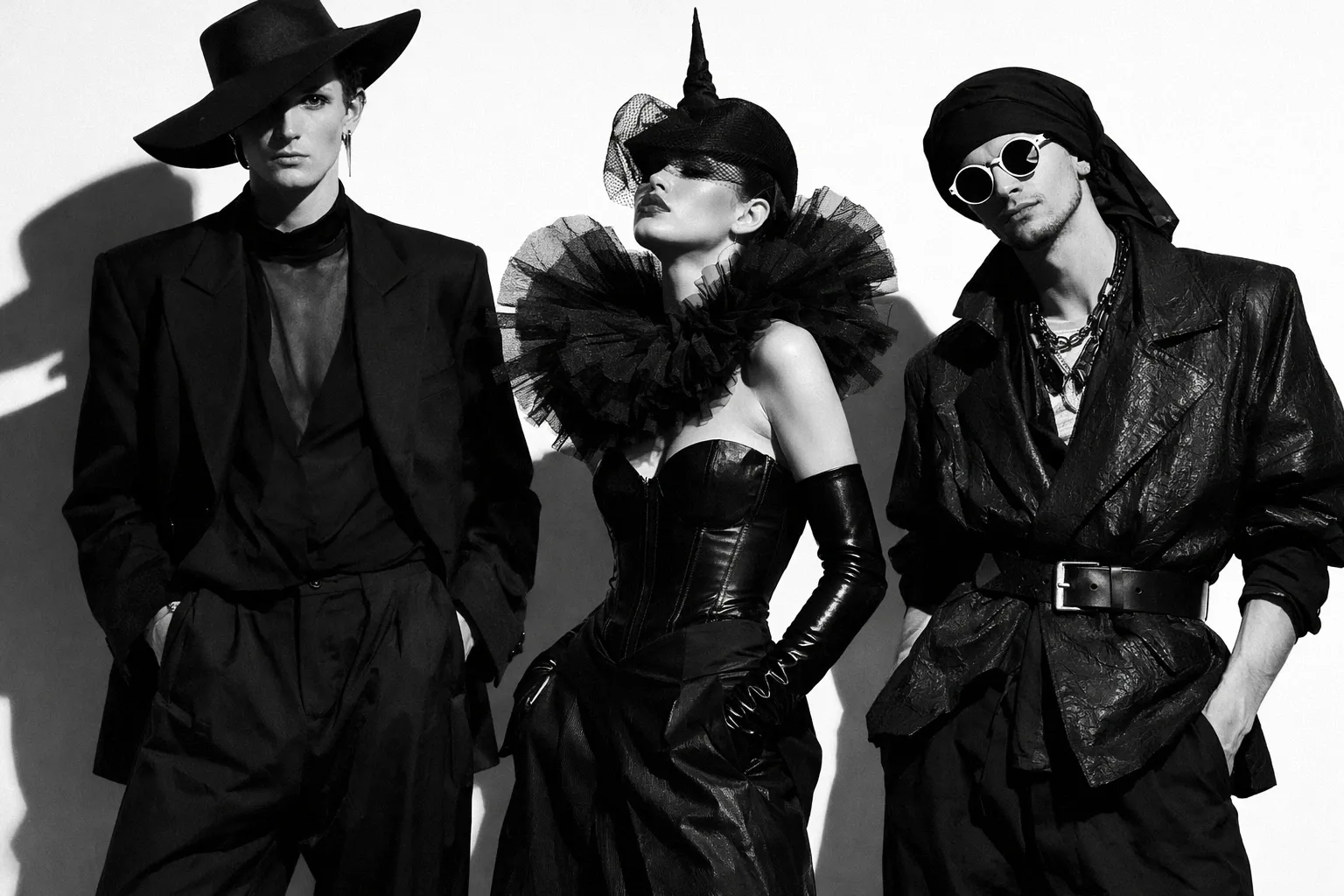
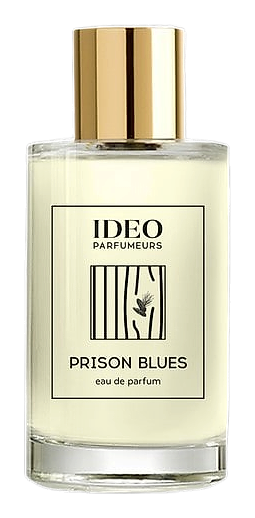
Marie Duchêne built Prison Blues around a contradiction: a man who fled the governor's palace and finds himself nostalgic for the incense and agarwood that once held him captive. The narrative comes directly from the brand, inside a tent in the desert, cardamom rice, the governor's wife watching from her pit. A man escapes and finds himself nostalgic for the very luxury that imprisoned him. The name itself holds tension. Blues as melancholy, as longing, as the particular ache of missing what confined you. But also: the blues of prison, the blue of something worn, lived-in, close to the skin rather than announced. Duchêne translated this paradox into a fragrance that opens confrontational and settles into something warm, animalic, unexpectedly intimate.
What makes this composition work is the tension between its opening and its base. The cardamom and black pepper are sharp, almost medicinal, they announce themselves without apology. But the rosebay willowherb in the top is the quietly unusual note: a wild, herbaceous quality that most wearers never identify but immediately register as something not quite right, not quite expected. It keeps the opening from being simply aggressive. The heart shifts the register entirely. Geranium brings a barbershop precision that some wearers read as rose, others as green and clean. Cedar supports it with warmth.
The evolution
The opening hits immediately, cardamom and black pepper cutting through like a blade. Sharp. Confrontational. Some wearers reach for their wrist to check if they've applied too much. They haven't. This is how it's supposed to start. Twenty minutes in, the geranium arrives. It clarifies the composition, bringing a barbershop precision that softens the cardamom's edge without replacing it. The rosebay willowherb adds a fleeting herbal quality, wild, almost weedy, that most people can't name but immediately register as not-quite-right. In a good way. By the hour, incense takes over. Smoke rises through the cedar. The oud builds underneath, dark and animalic, until it's no longer a base note but the fragrance's defining character. Patchouli and labdanum add earth, resin, a sticky sweetness that keeps the smoke from becoming harsh. The drydown belongs to musk. Warm, animalic, intimate. This is close-worn fragrance, present on the skin, in fabric, in the room only if someone leans in. Lasts 6-8 hours on most. On clothes, longer.
Cultural impact
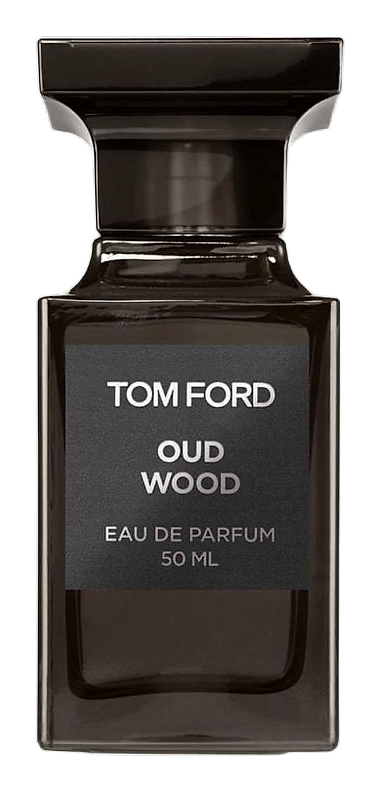
Prison Blues occupies a specific position in the niche fragrance landscape: warm, woody, resinous, with an unapologetic lean toward animalic oud. It sits comfortably alongside compositions from houses like Kilian and Tom Ford that built the market for woody-spicy orientals, though IDEO Parfumers' approach is less glossy, more rooted in a specific cultural register. The barbershop-geranium-and-oud combination has been called reminiscent of vintage masculine compositions, though the incense and patchouli keep it from feeling retro. Wearers describe it as the scent of someone who walks into a room and doesn't need to announce themselves, warm, a little rough, unexpectedly intimate.