Rosebay Willowherb
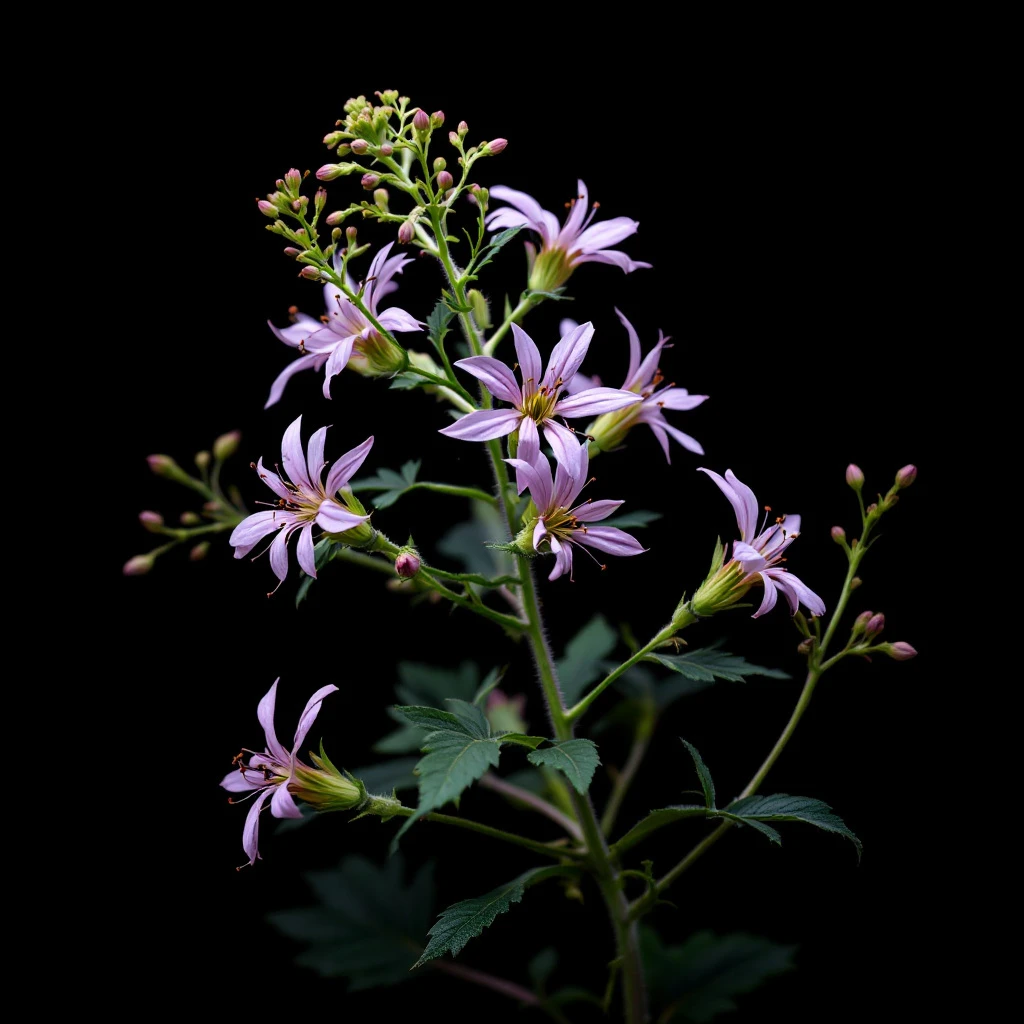
Rosebay Willowherb transforms the wild meadows into an aromatic experience. This resilient wildflower, also called fireweed, carries a delicate sweetness reminiscent of fresh cut hay and wild honey.
Character
How it smells
Wild meadow sweetness with subtle green warmth
Rosebay Willowherb colonized vast stretches of land after the 1980 Mount St. Helens eruption, carpeting volcanic plains in brilliant pink within just years.







Origin
United States
John Gerard, the celebrated 16th-century English herbalist, encountered rosebay willowherb growing in rocky, shady northern reaches and recorded it as a rare botanical curiosity. Its fortunes changed dramatically as European settlement spread across North America, where Indigenous peoples had long valued the plant for more than its striking appearance.
Native American communities prepared hallucinogenic extracts from the roots, sometimes combining them with milkweed for ceremonial purposes. Russian traditions took a different path, transforming the leaves into Kaporie tea, a fermented beverage still produced today under the Ivan Chai name.
The plant earned its fireweed nickname by colonizing burned landscapes with remarkable speed, turning devastation into stunning pink displays. British vernacular traditions added their own touch, with regional names like sticky willy reflecting the plant's黏连 seed pods that cling to passing fabric.
Wears it best
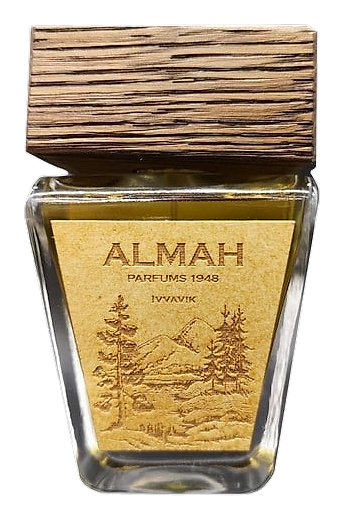
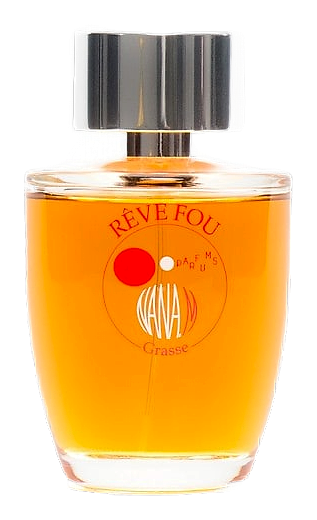
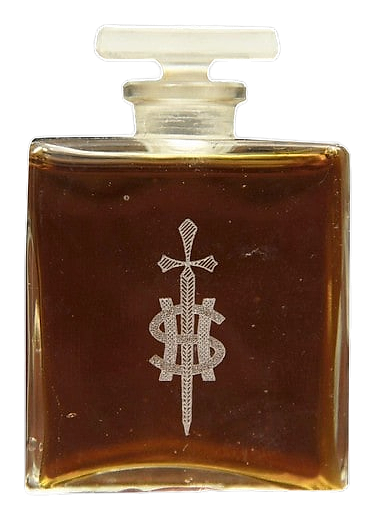
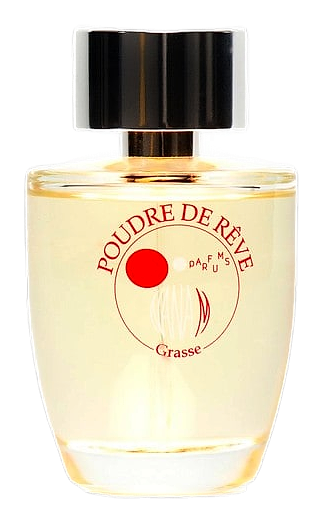
Fragrances featuring Rosebay Willowherb








Brands
Brands known for Rosebay Willowherb
Good to know
Questions, answered
The essentials on Rosebay Willowherb in perfumery: how it smells, where it comes from, and how it behaves on skin.
What does rosebay willowherb smell like?
Rosebay willowherb offers a delicate green scent with subtle honey and fresh-cut hay qualities. It provides an airy, slightly sweet botanical character rather than a heavy floral presence.
Is rosebay willowherb commonly used in perfumery?
Rosebay willowherb remains a rare ingredient in fine fragrance due to low oil yields from steam distillation. Small-batch and artisan producers work with limited quantities.
What are rosebay willowherb's traditional uses?
Russian traditions used fermented leaves as Kaporie tea, while Native Americans prepared ceremonial extracts. Gerard documented it as a 16th-century medicinal herb.
Why is rosebay willowherb called fireweed?
The plant rapidly colonizes burned areas, earning the fireweed name. It was among the first plants to reclaim the Mount St. Helens blast zone in 1980.
When does rosebay willowherb flower?
Flowering spans June through September, providing constant nectar and pollen for bees throughout summer. The plant grows up to 5 feet tall with vibrant pink blooms.
Is rosebay willowherb the same as Ivan Chai?
Ivan Chai refers to the Russian fermented tea made from rosebay willowherb leaves, historically traded under that name across Eurasia.
Where does rosebay willowherb grow?
The plant thrives across temperate regions of North America and Europe, from Alaska to the British Isles, adaptable to varied conditions once established.
Does rosebay willowherb have any toxic properties?
Extracts have documented hallucinogenic properties and were used ceremonially by Native Americans. Modern perfumery uses only the aromatic constituents through steam distillation.




