The Story
Why it exists.
The beginning
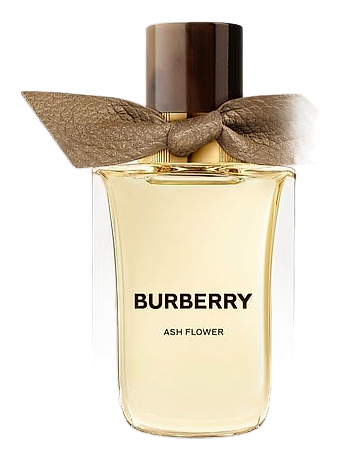
Ash Flower draws its name from the rosebay willowherb, a plant that colonizes scorched earth, pushing through what remains after fire to bloom in vivid color. Burberry's Signature Botanical line captures fragments of the natural world, distilling them into scent. Here, that meant finding beauty in aftermath. The brief was simple: translate resilience into something you can wear.
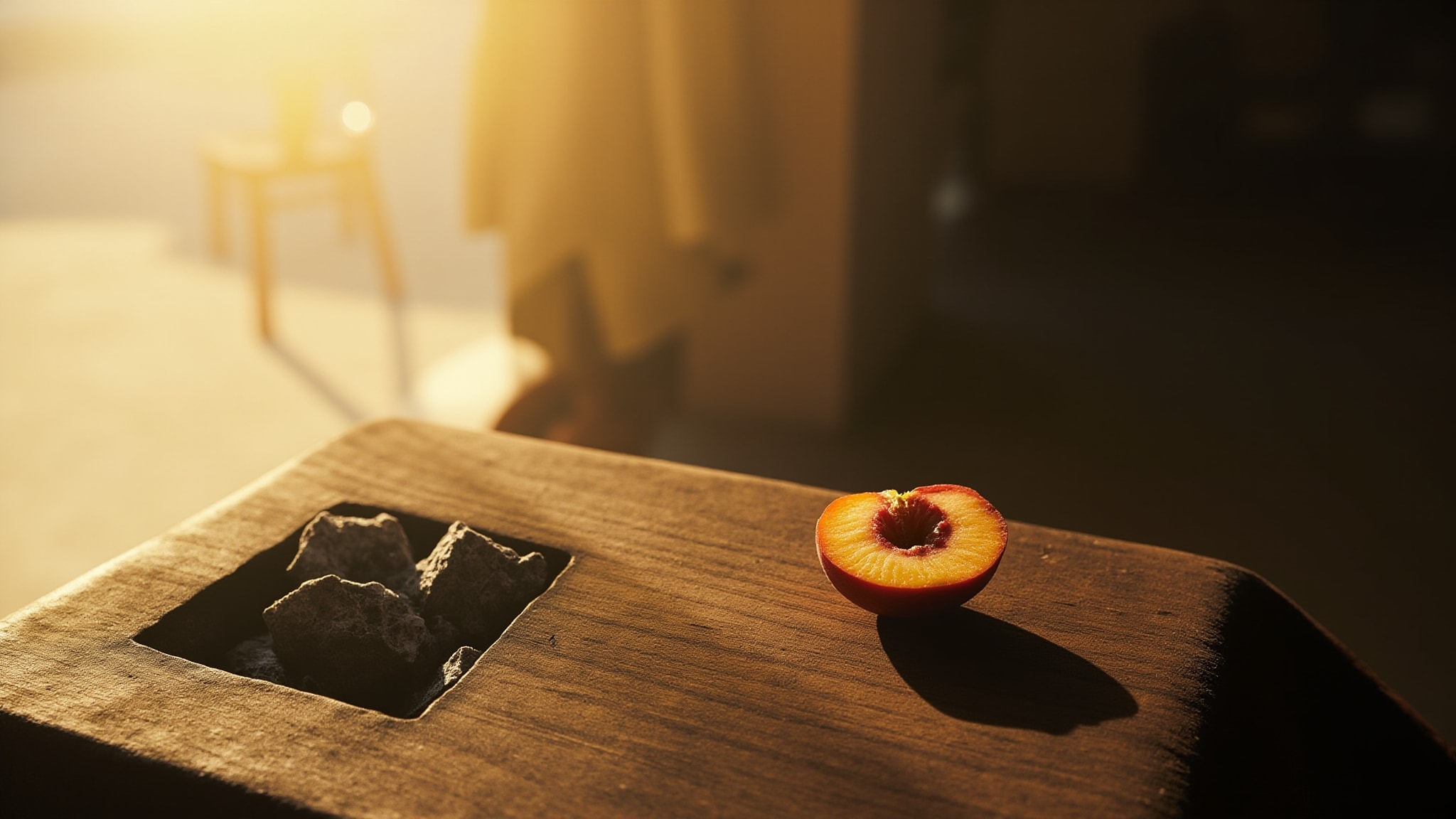
The rosebay willowherb offered the conceptual anchor, but the composition had to earn its name. Saffron brings that sharp, almost metallic brightness, the smell of heat and rarity. Juniper berries add a dry, aromatic lift. Peach softens everything just enough to keep it wearable. At the heart, almond milk replaces any expected floral with something creamy and familiar. Labdanum adds a faint resinous warmth. The result is a fragrance that refuses to stay in one register: bright, then soft, then grounded.
The evolution
Saffron hits first. There's no preamble. Juniper adds a dry, slightly piney edge while peach hovers at the periphery, sweet fruit keeping the metallic saffron from overwhelming. Within minutes, almond milk arrives. The shift is dramatic. The sharp opening doesn't disappear so much as dissolve into something warmer, creamier. Labdanum brings a faint resinous warmth that bridges the heart and base. As hours pass, patchouli emerges, earthy, slightly wild, pulling the composition back toward something grounded. Tonka bean lingers longest: sweet, warm, close to skin. On fabric, it settles into something almost vanilla-like. The next morning, a faint trace remains, clean skin with a soft sweetness underneath.
Cultural impact
Part of Burberry's Signature Botanical line, Ash Flower joins a portfolio that reads like a sensory map of British identity. The 2023 release sits alongside Her and Godding as the house continues its post-2017 Coty partnership, pushing into territory that's warmer and more personal than its earlier releases.