
The Story
Why it exists.
The beginning
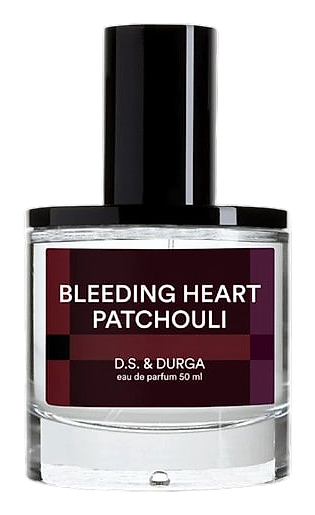
David Seth Moltz has a complicated relationship with patchouli. Not always the patchouli type, he says. But the longer he worked with it, that iron-red, earthy oil, the more something shifted. This fragrance is the confession. Over 50% patchouli, aged for a decade, released in 2020 as a limited run of ninety pieces. It wasn't designed to convert skeptics. It was made for the moment when a perfumer stops resisting something he's been circling for years. Bleeding Heart isn't a metaphor. It's the actual structure: a massive patchouli base with osmanthus, orris, and warm spices at its center, bleeding through.
Using patchouli as the dominant material, not a base note, not a blender, but the main event, is structurally unusual. Most fragrances treat it as foundation. Here it takes up more than half the formula, which means the perfumer had to build everything else in service to it, not around it. The osmanthus adds a fruity, almost apricot sweetness that makes the earthiness readable as tenderness rather than dirt. Orris root brings powder and violet, softening without sanitizing. The result is patchouli that feels considered rather than maximalist, a love letter written in the most demanding material in perfumery.
The evolution
Cardamom arrives first, sharp and green. Mandarin follows, bright and citrusy. Then the cedar steps in and something happens, the spice-fruit opening doesn't disappear so much as it gets absorbed into what's underneath. The osmanthus emerges slowly, plum-sweet and delicate against the growing weight of patchouli. By the second hour, the composition has shifted entirely. The patchouli is no longer supporting the other materials. The other materials are orbiting the patchouli. The orris rounds the edges. The opoponax adds a warm, balsamic resin that makes the whole thing feel inhabited. On fabric, the patchouli lasts into the next day, earthy, quieter, but persistent. On skin, it breathes close. Intimate. The kind of sillage that only the wearer and whoever's standing very nearby will notice.
Cultural impact
Released in December 2020 as a website-only limited edition, Bleeding Heart Patchouli sold out almost immediately, ninety pieces made, none remaining. It found an audience among people who thought they'd aged out of patchouli, and among collectors tracking D.S. & Durga's more conceptual releases. The brand's own note about the fragrance, the confession about not being the patchouli type, then falling in love with it, resonated with how many wearers felt about the material. It became, quietly, one of those niche releases that people reference when describing what indie perfumery can do that mainstream perfumery can't.
The House
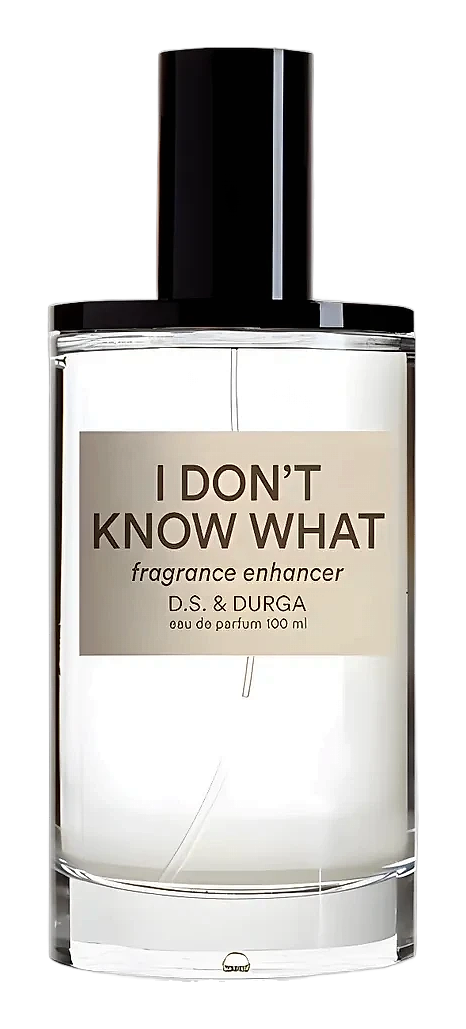
DS&DurgaD.S. & Durga is a Brooklyn-based fragrance house founded in 2007 by husband-and-wife team David Seth Moltz and Kavi Ahuja Moltz. David Seth Moltz, a self-taught perfumer and former indie musician, composes all the house scents while Kavi handles visual design. The brand creates immersive fragrances inspired by specific feelings, places, and cultural moments, ranging from the American West (J. Crew Homesteader's Cologne, 2013) to historical periods (Beverly Hills 1985, 2010) and abstract emotional states (You Kill Me With Silence, 2018). D.S. & Durga is notably a perfumer-owned house, giving the founder creative control across the entire brand. Their catalog spans chypres, colognes, and aromatic compositions, with later releases including Royal Purpure and King Majesty Bergamot Chypre (2024). The brand operates from Brooklyn, New York, and has developed a following among fragrance enthusiasts drawn to its narrative-driven approach.
The Creator
David Seth MoltzSelf-taught and deliberately unconstrained by classical training, Moltz favors an unconventional palette that includes unconventional materials alongside traditional ones. His fragrances tend toward the narrative and atmospheric, often featuring sharp contrasts: sweet against…