The Story
Why it exists.
The beginning
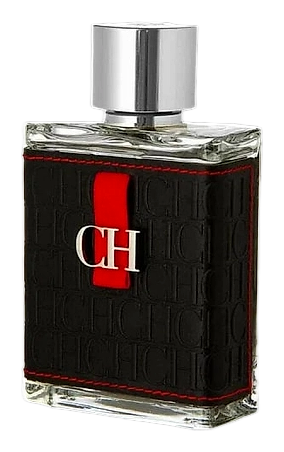
Tous Man arrived in 2004 from perfumer Gilles Romey, built around a straightforward proposition: fresh, fruity, and confident without demanding anything from the wearer. The citrus opened bright and exited clean, leaving fruit and spice to do the real work. It was designed for movement, for the kind of man who doesn't need a fragrance to announce him. The blend creates a sensation of closeness, as if the scent were an extension of the wearer's own presence rather than a layer applied on top.
What makes the structure unusual is the Campari note, its bitter edge doing quiet work as a bridge between the bright citrus top and the warm woody base. Red apple and pineapple give it an edible sweetness that tonka bean then deepens, so the drydown doesn't just linger, it feels like something worth lingering over. The composition threads a needle between casual and intentional: too simple to be boring, too well-constructed to be an afterthought.
The evolution
The opening hits citrus and spice in equal measure, ginger and Sichuan pepper arrive quickly, warming the grapefruit before it fades. Within twenty minutes the fruit takes over: pineapple and red apple, sweet without becoming confectionery, held in check by that Campari bitterness that keeps everything grounded. The heart carries the composition through its most characterful phase, a fruity-spice interplay that reveals itself layer by layer. Then the base arrives, sandalwood and white musk, amber warmth that settles close to the skin. The tonka bean leaves a faint sweetness behind, the kind that makes you catch it on your wrist hours later and wonder what you were wearing that morning.
Cultural impact
Tous Man offers something more personal than the heavy hitters of its era. It's the fragrance a man reaches for when he wants to smell good without performing. The blend of citrus, fruit, and warm woody base creates a scent profile that feels intimate and understated, a signature that whispers rather than shouts. That quiet confidence has given it a lasting place in the early 2000s masculine landscape.
The House
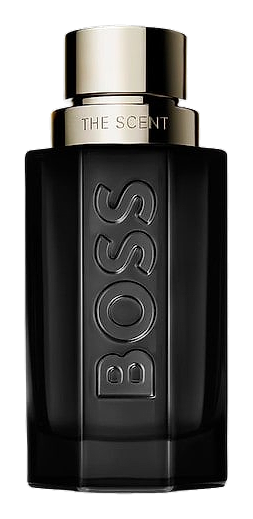
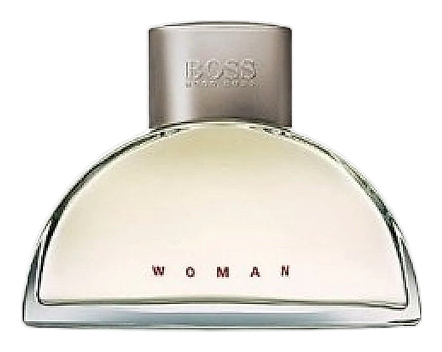
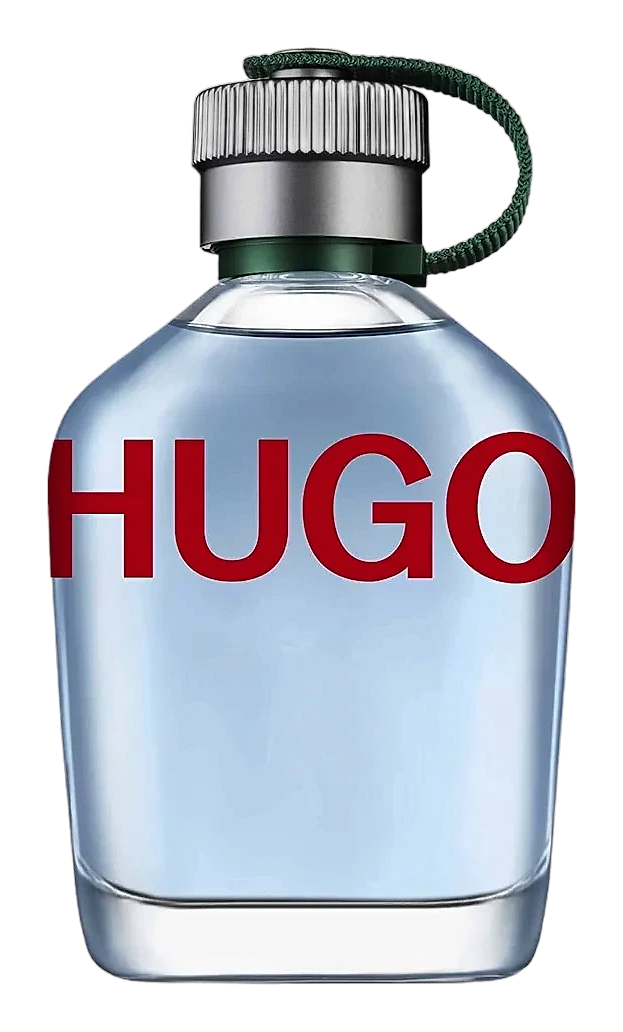
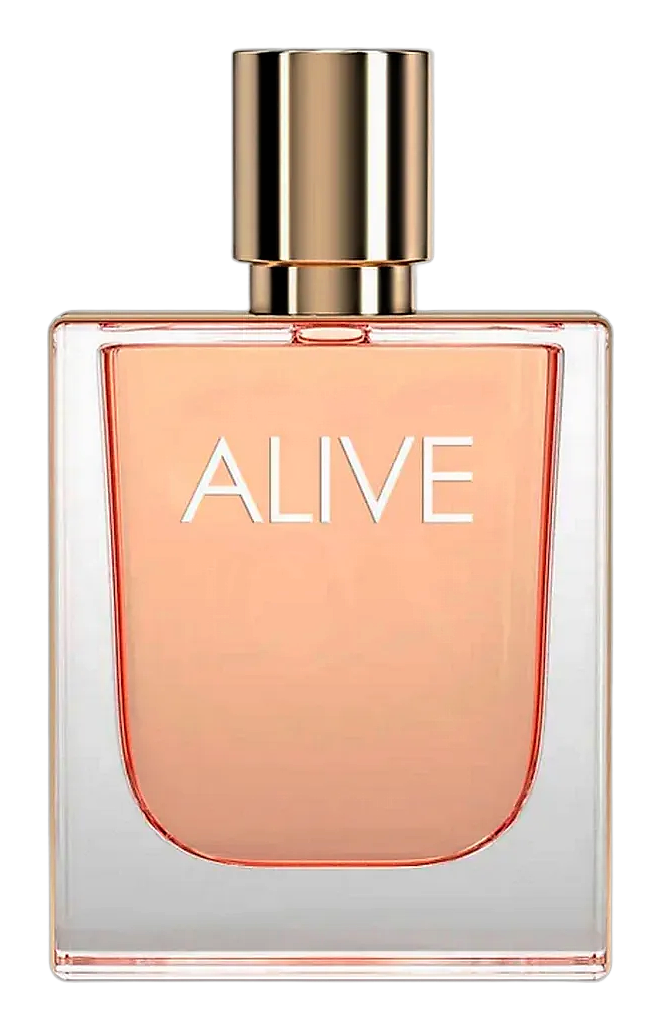
Hugo BossHugo Boss fragrances are the olfactory equivalent of their impeccably tailored suits: clean, confident, and unambiguously masculine. This is a house that doesn't whisper; it makes a clear statement of modern success. Its scents have become cornerstones of the male fragrance wardrobe for decades, defining a certain type of accessible, aspirational luxury.
The Creator
Gilles RomeyRomey’s signatures include a crisp opening that quickly gives way to a richer heart, often built around rose, jasmine, or other floral cores. He pairs these with animalic or mineral bases to add depth, a technique evident in Rose de Nuit.