Campari
A bold, bittersweet aromatic inspired by the iconic Italian liqueur. Campari brings a sharp citrus burst, complex herbal depth, and unmistakable bitter edge to fragrance compositions.
Character
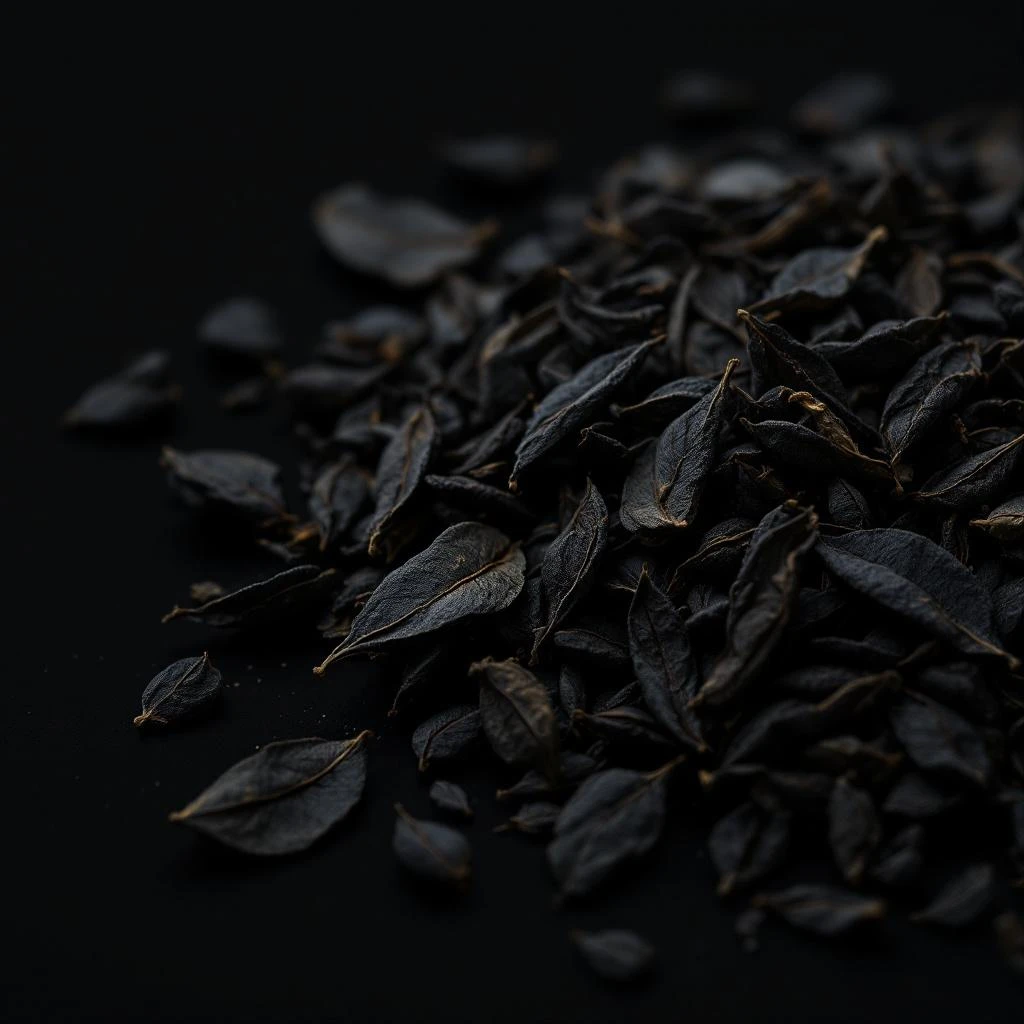
How it smells
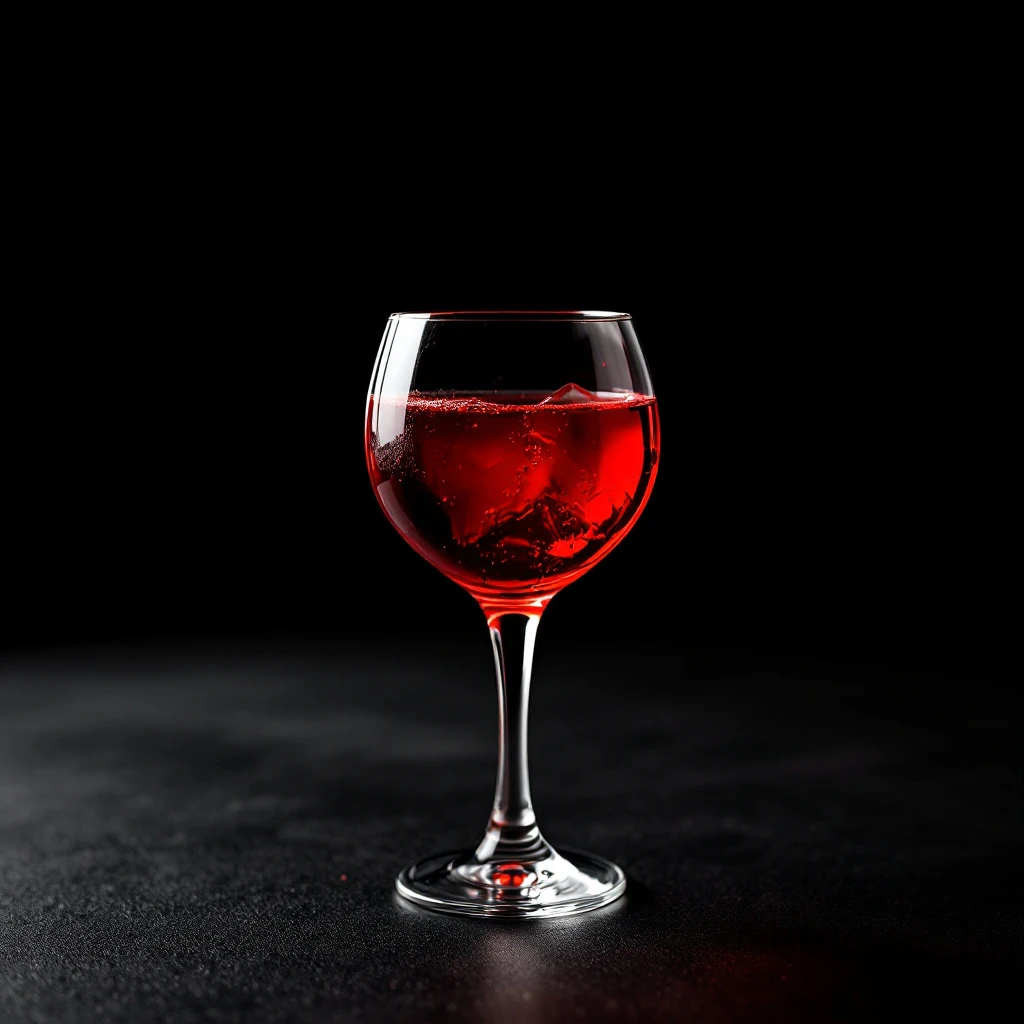
Bitter-sweet Italian spirit meets perfumery.
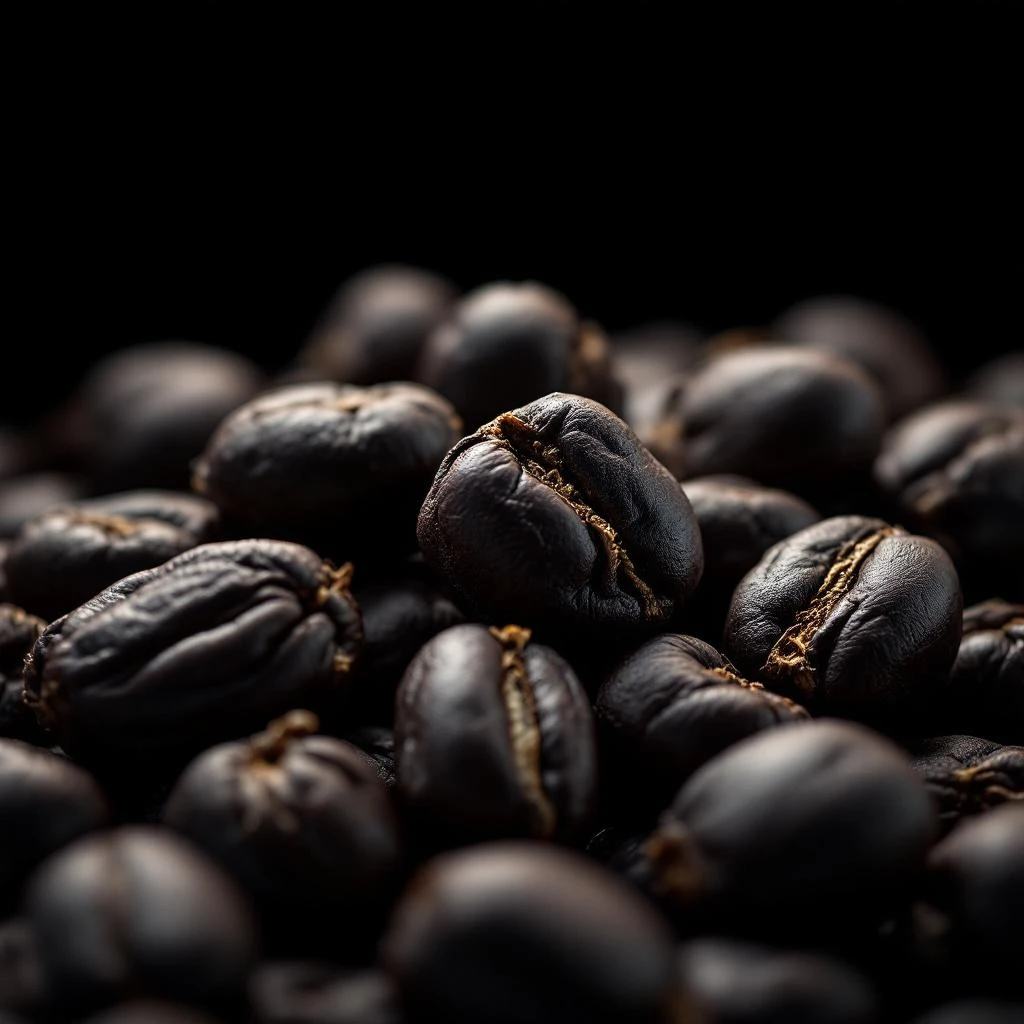
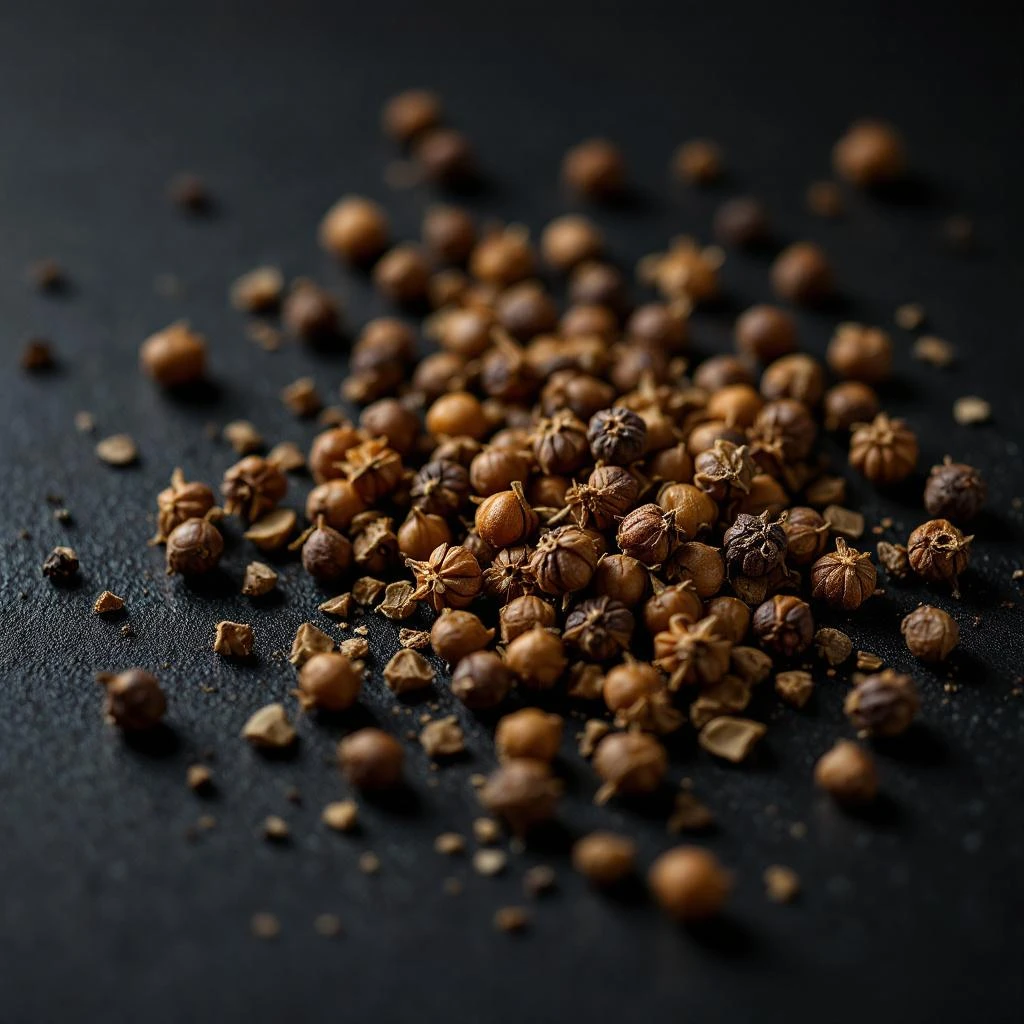
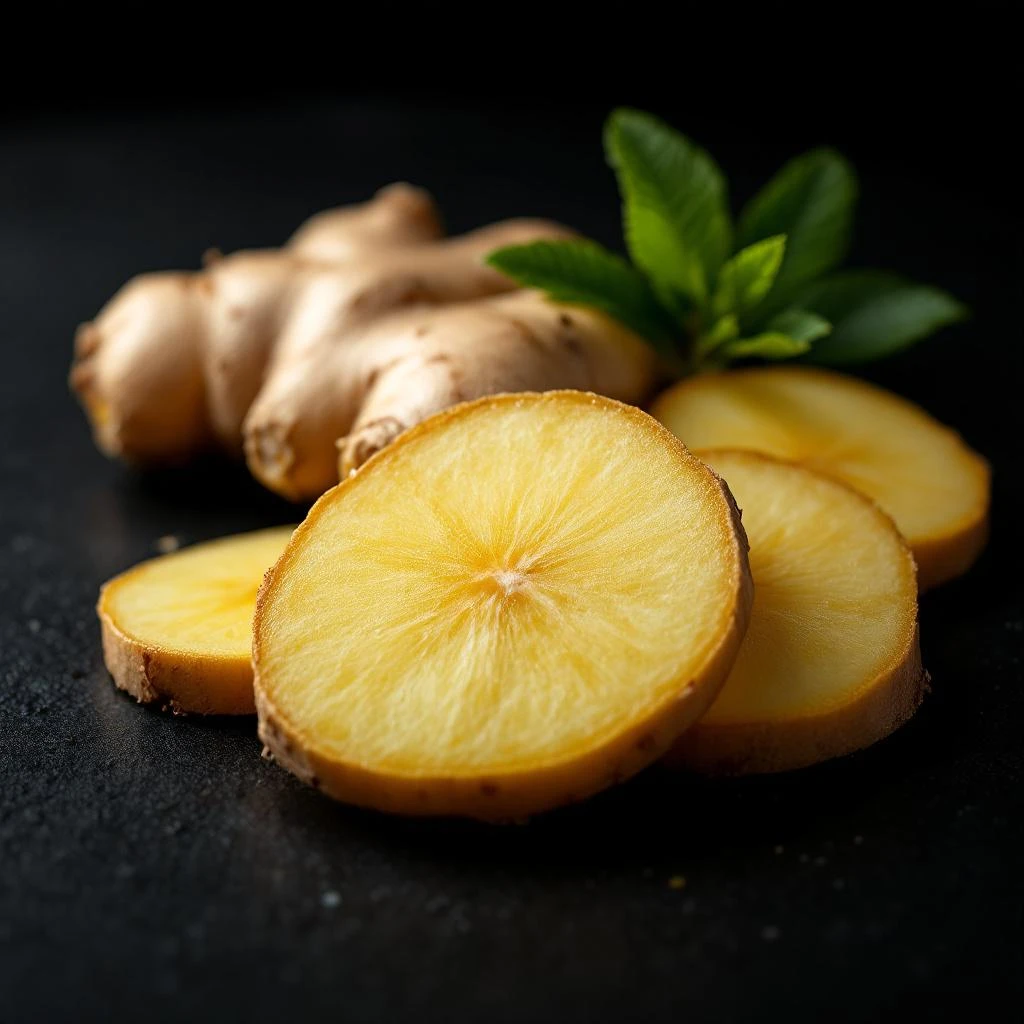
The Campari formula remains a closely guarded secret, believed to contain over 20 botanicals from four continents.



Origin
Italy
The Campari aperitivo was invented by Gaspare Campari in 1860 in Novara, Italy. Campari originally marketed his signature drink as an health-giving bitter tonic before it became synonymous with Italian social culture.
The liqueur gained widespread popularity across Europe and eventually became the foundation for iconic cocktails like the Negroni and the Americano. Its distinctive bitter profile, derived from a secret blend of botanicals including chinotto, cascarilla, and gentian root, inspired perfumers to recreate its aromatic signature.
Contemporary fragrance houses incorporate Campari-inspired notes to evoke Mediterranean aperitivo culture, bitter herbs, and the sophisticated bitterness that defines Italian cocktail tradition. The ingredient represents perfumery's ongoing dialogue with culinary and beverage culture.
Wears it best
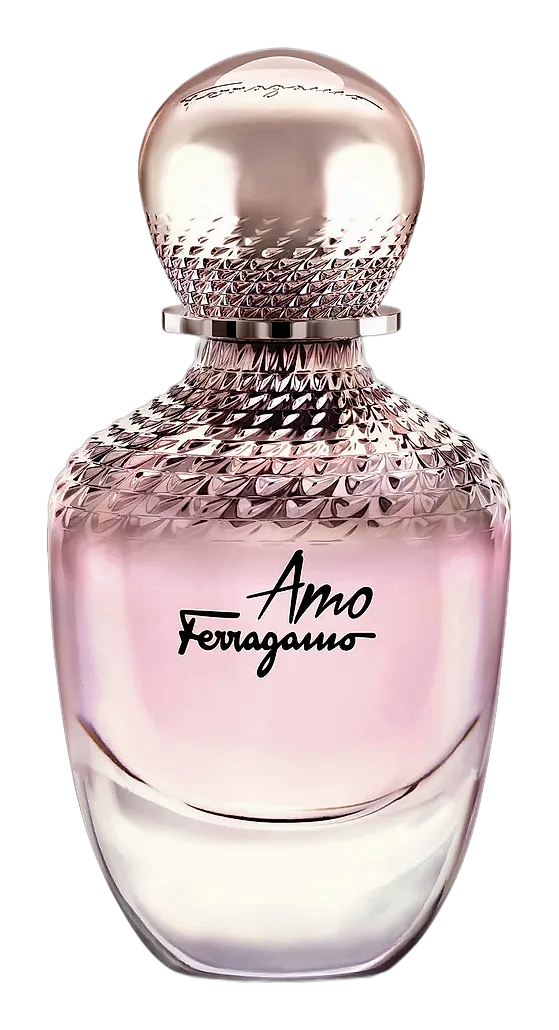
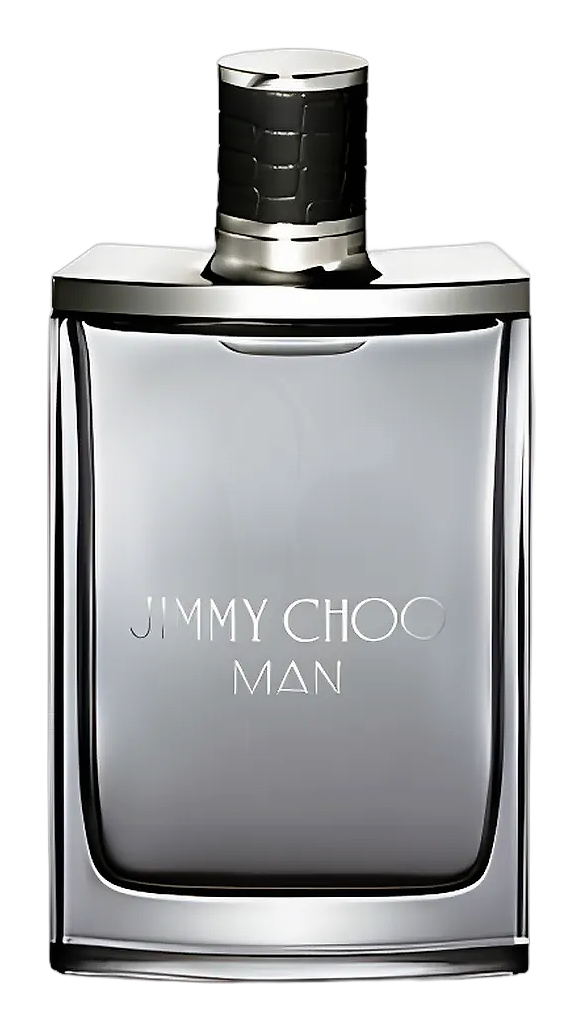
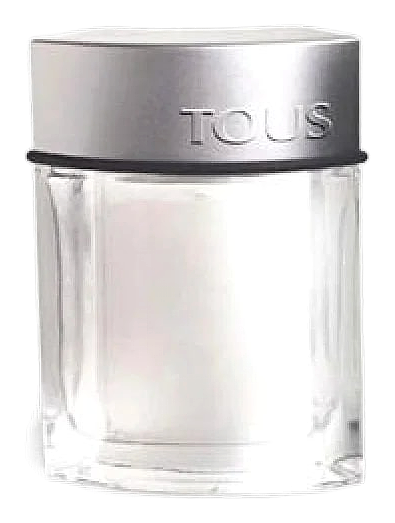
Fragrances featuring Campari
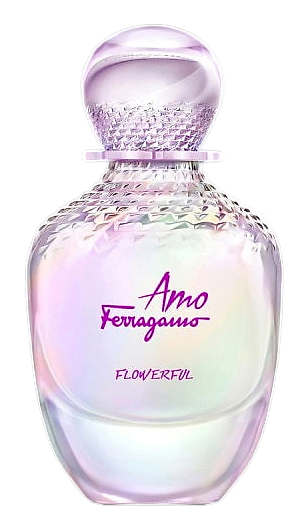
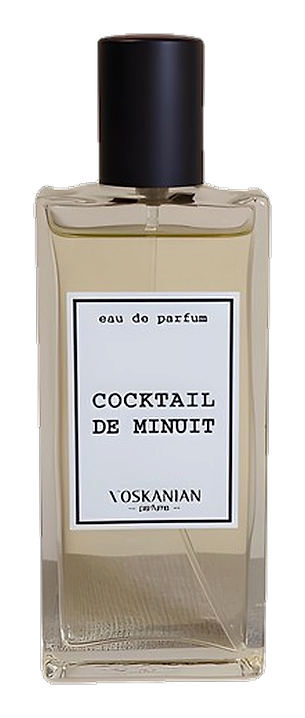
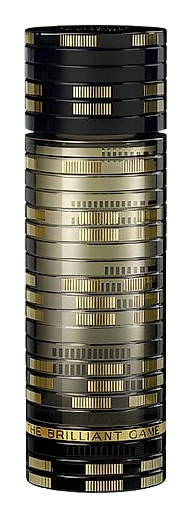
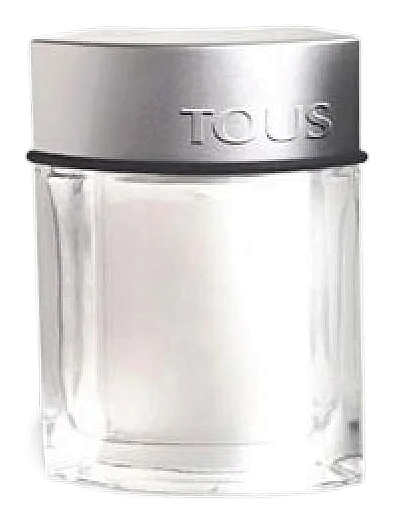
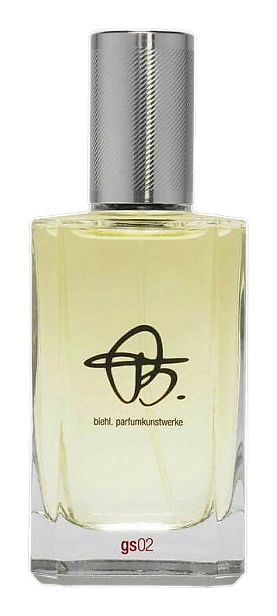
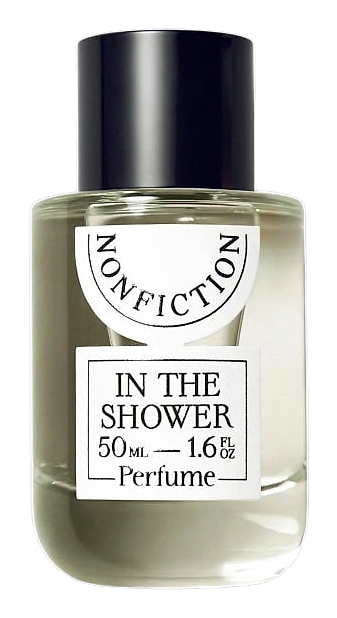
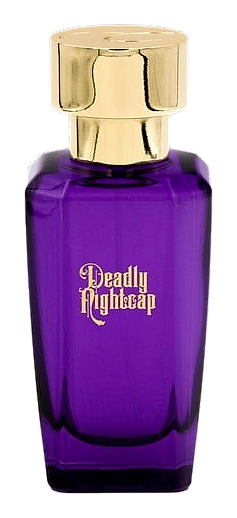
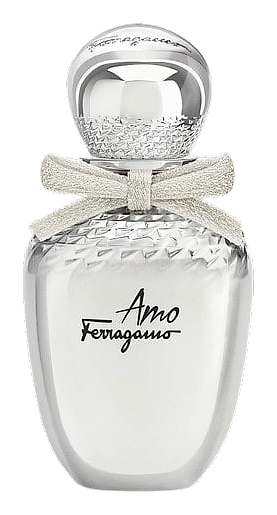
Brands
Brands known for Campari
Good to know
Questions, answered
The essentials on Campari in perfumery: how it smells, where it comes from, and how it behaves on skin.
What does Campari smell like in perfume?
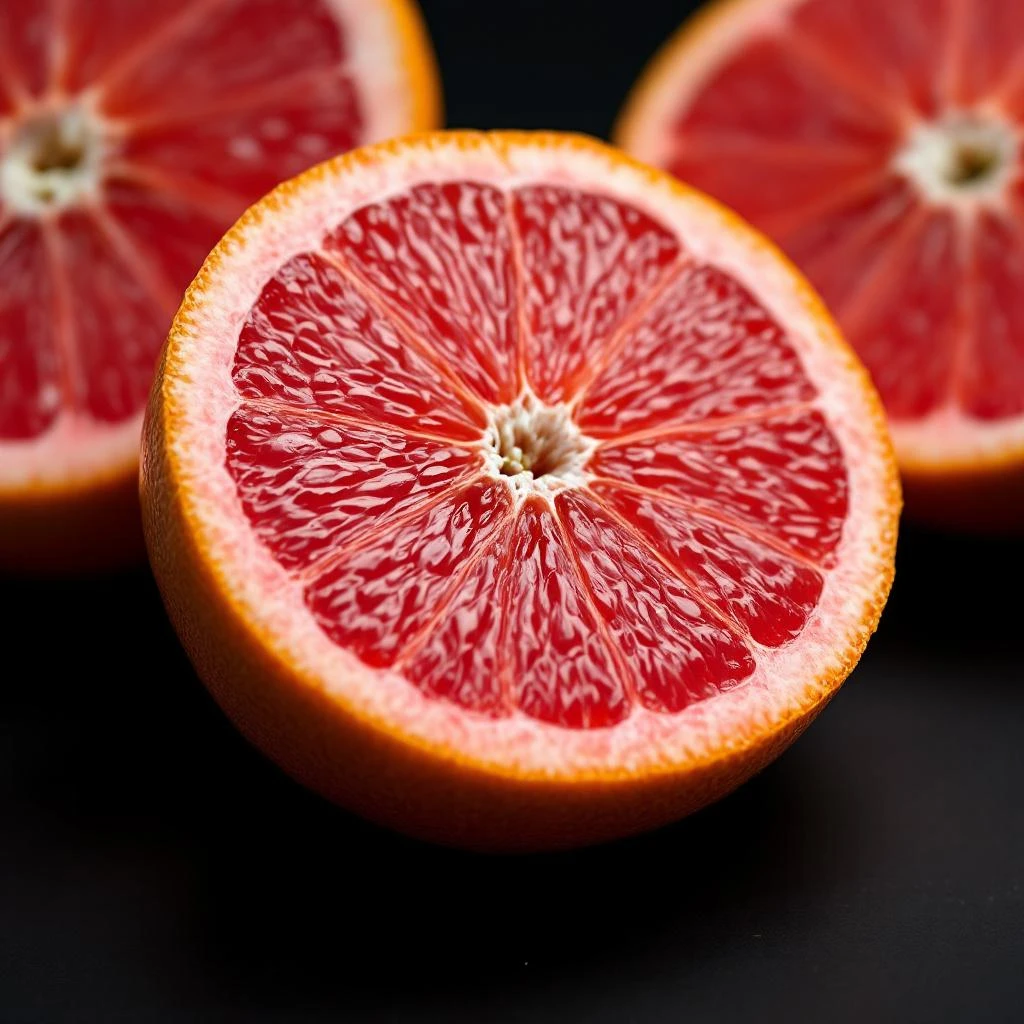
Campari brings a distinctive bitter-sweet aroma combining bright citrus with herbal bitterness and subtle spice. Think bitter orange peel, quinine, and aromatic herbs balanced by a sugary-soft undertone.
Is Campari a natural or synthetic fragrance ingredient?
Campari functions as a reconstructed accord in perfumery, combining natural aromatic materials like bitter orange and gentian extracts with complementary synthetics to achieve its signature profile.
What fragrances feature Campari notes?
Campari-inspired notes appear in several niche and designer fragrances, particularly those targeting Mediterranean or aperitivo themes. Check specific fragrance listings for current availability.
What botanicals create the Campari aroma?
The Campari profile relies on bitter orange, gentian root, cinchona bark, and various citrus oils. These materials combine to deliver the signature bitter-sweet, herbal character.
Does Campari smell different from grapefruit?
Campari shares citrus brightness with grapefruit but brings additional bitter herbal complexity. Grapefruit offers cleaner, sweeter citrus while Campari adds quinine-like bitterness and deeper aromatic layers.
Where does Campari originate from?
Gaspare Campari created the original liqueur in Novara, Italy in 1860. The formula uses botanicals sourced from multiple continents, blended according to a closely guarded secret recipe.
What fragrance families use Campari notes?
Campari notes appear primarily in oriental and fresh fragrance compositions. They add complexity to amber bases and provide sharp contrast in citrus or aromatic fragrances.
How long does Campari last on skin?
As an aromatic accent rather than a primary base note, Campari typically lingers for 2-4 hours, appearing most prominently in fragrance heart phases before softening.