The Story
Why it exists.
The beginning
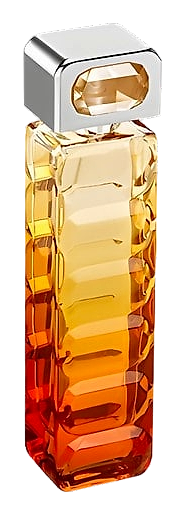
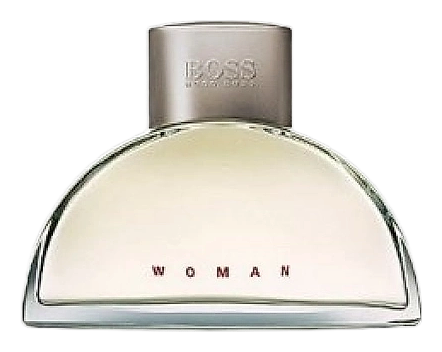
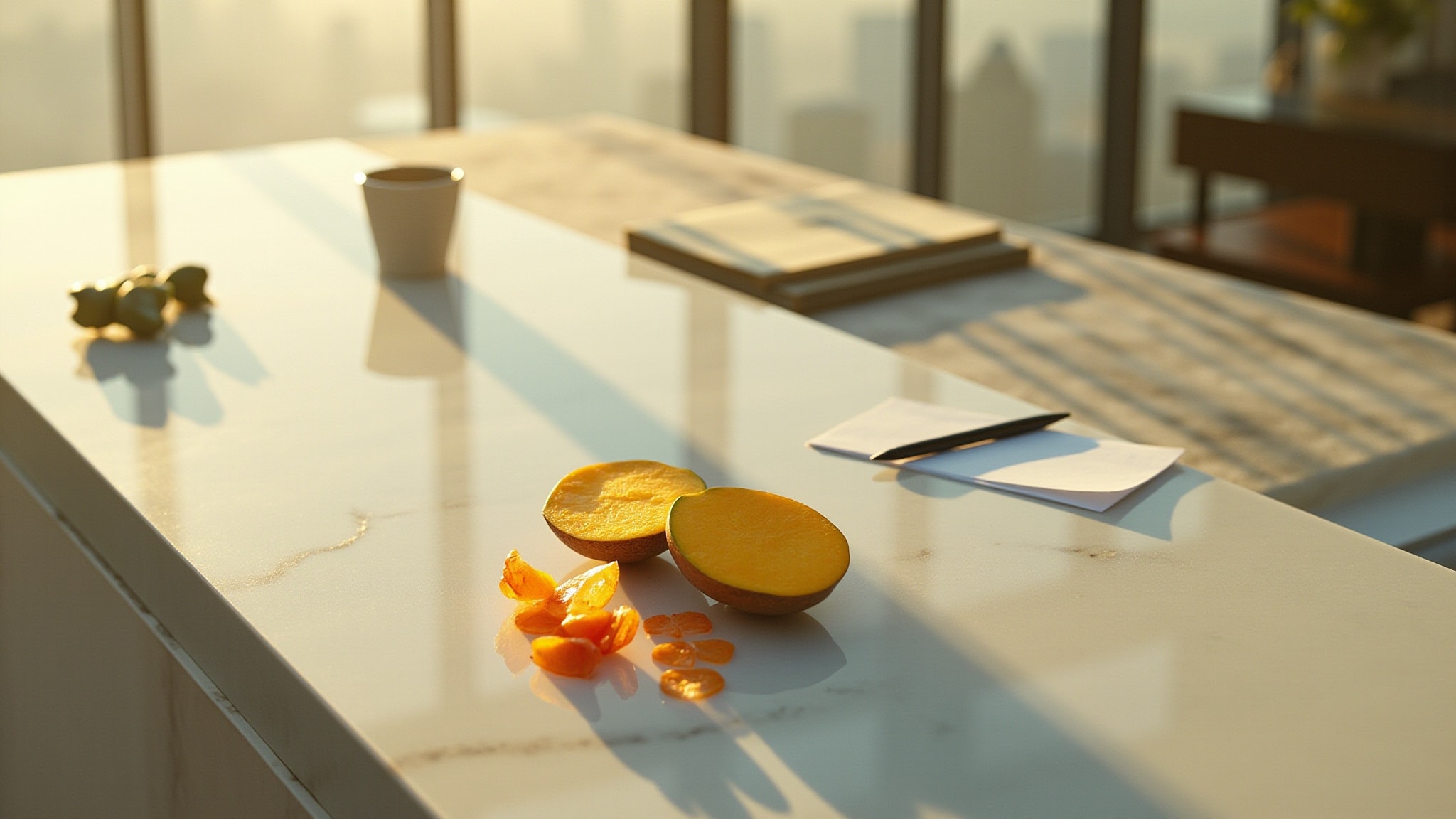
Sophie Labbé built Boss Woman in 2000 with a clear sense of what the fragrance needed to be. The goal was a fruity floral with presence and precision, something assured rather than aggressive. The composition centers on mango, freesia, and violet root, each note chosen to create a distinct character rather than follow convention. The result holds attention without demanding it. It doesn't announce itself loudly but instead works quietly, letting its own composition speak for itself.
What makes the composition interesting is how the mango doesn't fully disappear as it evolves, it lingers beneath the florals like a signal still transmitting. Mandarin gives the opening its sharpness, a brief citrus edge that keeps the sweetness honest. Then freesia enters with that characteristic clean, almost soapy floral quality, while violet root adds a green, slightly earthy undertone that pulls the heart away from pure sweetness. The sandalwood and cedar base is restrained, these aren't dominant elements, they're there to support.
The evolution
The opening hits first with mango and mandarin, tropical sweetness cut with a citrus edge. It's bright but not aggressive. As time passes, the freesia and violet root arrive and the composition shifts register entirely: cooler, greener. The mango doesn't vanish, it recedes, working underneath the florals like a bass note you feel more than hear. The drydown is where sandalwood and cedar take over, warm without heaviness, woody without sharpness. It stays closest to the skin and lasts the longest, quiet company for the final hours.
Cultural impact
Boss Woman arrived in 2000. Its floral-fresh fruity character makes it a distinctive option in the fruity floral category. The violet root note adds an unexpected coolness that keeps the composition from reading as juvenile or one-dimensional. The fragrance offers something reliable and understated