The Story
Why it exists.
The beginning
Oxford Street is a Hugh Parsons fragrance named for one of London's most layered streets, not its landmarks, but its atmosphere. The real Oxford Street has centuries of history baked into its pavement: elegant beginnings under the Earl of Oxford in the 1700s, when masked banquets and lavish events defined the strip, before it evolved into the commercial artery the city knows today. Maurizio Cerizza designed the fragrance in 2009 with this layered history in mind, building a scent that mirrors the street's contradictions, refined and approachable, aromatic and earthy, ancient and modern. The truffle note is the key here: expensive, idiosyncratic, the kind of ingredient that divides opinion and refuses neutrality. It's an unusual choice for a men's fragrance that positions itself as a city scent, and that tension is exactly the point.
The note structure is what makes Oxford Street worth paying attention to, particularly the top notes and how they set up everything that follows. Most men's fragrances from this era opened with citrus as a courtesy, a bright, expected greeting that cleared the way for something more serious. Oxford Street does the opposite. The truffle opens dark and earthy, almost savory, before the citrus crashes in as a counterpunch rather than a lead. Sicilian mandarin and grapefruit don't smell like a greeting here; they smell like an argument, sharp and bright against the truffle's weight. The heart is where Cerizza's Italian sensibility shows.
The evolution
The opening is the fragrance's boldest statement. Truffle arrives first, earthy, almost umami-dark, immediately dividing the room into people who lean in and people who step back. Within two minutes, the citrus slams in: Sicilian mandarin and grapefruit sharp enough to cut through the truffle's weight, a bright-yet-rough edge that feels more like real fruit than perfumery accord. The first thirty minutes are the fragrance at its most contradictory, the most alive. You smell the truffle disappearing into the citrus, or the citrus cutting through the truffle, different wears, different reads, always interesting. By hour one, the heart takes over and the spices come into their own. Star anise opens first, cool, slightly medicinal, the smell of aniseed without the candy-sweetness. Then cardamom and cinnamon arrive in sequence, building a warmth that accumulates rather than announces. The black pepper is present but restrained, more suggestion than assault.
Cultural impact
Oxford Street occupies an unusual position in the Hugh Parsons lineup. Released in 2009, it's one of the house's more distinctive compositions, built around truffle and star anise, materials that don't typically appear in men's fragrances from the late 2000s. The house itself maintains understated British elegance across its collection, and Oxford Street fits that aesthetic while offering something genuinely unconventional. It's the kind of fragrance that appeals to someone who's already worn the obvious choices and wants to try something with actual character. Moderate sillage and solid longevity make it a practical option for daily wear, while the unusual note choices give it enough interest to reward repeated wearing.
The House
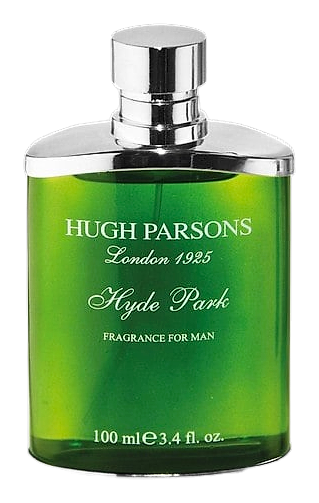
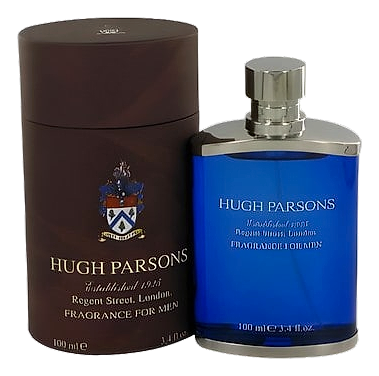
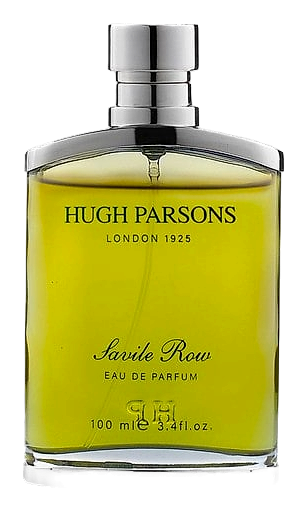
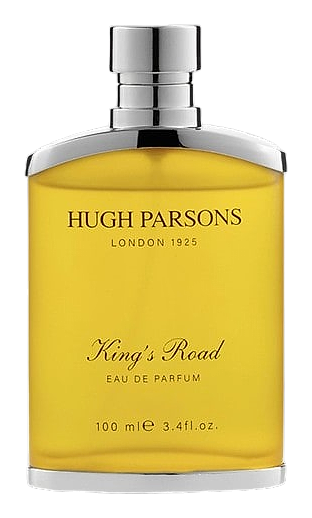
Hugh ParsonsHugh Parsons is a British fragrance house rooted in the tailoring traditions of London. Founded in 1925 by Hugh Edward Lancelot Parsons, the brand began as a manufacturer of silk ties and accessories before evolving into an exclusive fragrance house. Each scent in the collection draws inspiration from London locations, from the institutional gravitas of Savile Row and Whitehall to the bohemian character of Notting Hill and the verdant expanse of Hyde Park. The brand bridges the precision of English craftsmanship with the artistry of Italian perfumery, creating scents that evoke the distinct personalities of London's streets and neighbourhoods. The collection spans multiple decades of releases, offering fragrances that range from the classically structured Traditional to the contemporary Camden Town.
The Creator
Maurizio CerizzaCerizza's work reflects the discipline of the Roure method he absorbed early in his career. He favors working with natural materials, drawing on his family's deep expertise in extraction and distillation to inform every creation.