The Story
Why it exists.
The beginning
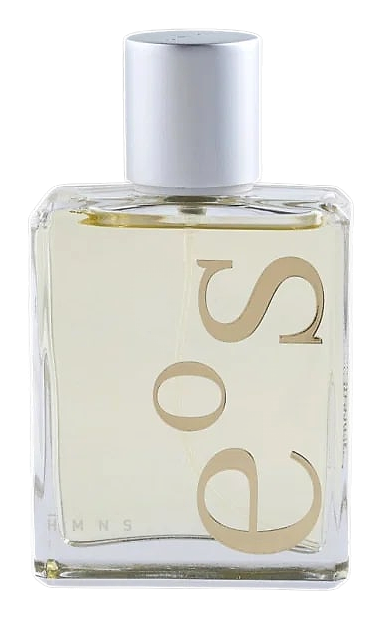
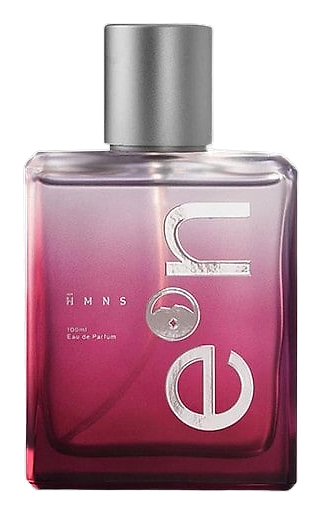
There's a flower in Indonesia that blooms for one night a year and vanishes by morning. The Bunga Wijayakusuma, known as the Queen of the Night, refuses daylight, refuses routine, refuses to be pinned down. HMNS built Essence of the Night around that single, almost mythical gesture, attempting to capture not just what a flower smells like, but the hush of being near it at the exact hour it chooses to exist. Released in 2024, it's part tribute, part translation, an attempt to bottle the fleeting window when a nocturnal bloom finally opens its petals and offers something rare to the air around it. The composition reads as a study in restraint rather than abundance.
Essence of the Night grew out of HMNS's long-running fascination with the Queen of the Night flower, an Indonesian botanical that blooms for a single night each year and wilts by morning. The release reads as a nocturnal study, less about the flower's visual drama than about the particular quality of air around it during that brief, luminous window. The tuberose carries the composition, but it's a green, almost salty interpretation rather than a heady, tropical one.
The evolution
The first spray arrives like a cool exhale. Bergamot lifts the tuberose off your skin and gives it altitude, so the white floral reads as light instead of heavy. It's brief, intentional. Within the opening stretch, the bergamot recedes and jasmine absolute steps forward, taking the violet leaf with it. This is where the fragrance stops being pretty and starts being specific. The violet gives the heart a green, almost metallic edge, a dew-on-stone feeling that keeps the jasmine from going syrupy. Ylang-ylang rounds it without sweetening it, adding a faint tropical creaminess that lives mostly at the edges of perception, just enough to smooth the indolic bite that tuberose and jasmine can carry when they're left too exposed. As the composition settles, the white florals begin to lean into the warmer territory of the base.
Cultural impact
Essence of the Night arrives with a specific gravity that comes from its inspiration, the Queen of the Night flower, a real Indonesian botanical that blooms for a single night each year before wilting with the dawn. The single-note focus gives the release a clarity that's increasingly rare in a market saturated with broad-appeal releases and crowd-tested compositions. The fragrance wears close to the skin rather than projecting widely, which shapes the kind of wearer it tends to attract: someone who wants their scent to unfold quietly, to be discovered by proximity rather than announced at a distance. That intimacy is the point.