The Story
Why it exists.
The beginning
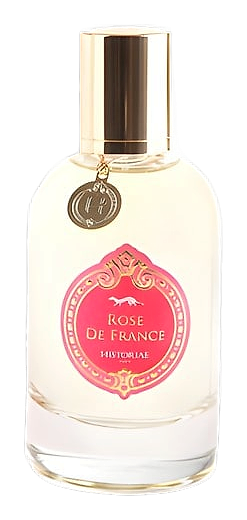
Historiae approaches fragrance as a portal to memory, each scent anchored in documented European history rather than abstract mood-boarding. Rose de France plunges directly into the refinement of the Renaissance, drawing from the era when perfumers began working with more complex botanical ingredients. The official description references both Damascena rose and benzoin's balsamic richness, ingredients that speak to the aromatic trade routes of the period and the growing sophistication of European fragrance. Bertrand Duchaufour translated this brief with an understanding of how restraint can elevate composition, allowing each material to find its place without overcrowding.
What makes Rose de France unusual is its treatment of rose, not as a single element but as a layered argument. May rose brings freshness, the smell of petals still holding dew. Damask rose provides the classical depth, centuries of perfumery woven into one flower. Together they create a rose that feels more complete than any single extraction could achieve. The marigold (tagetes) adds a small but crucial counter-voice: green, slightly bitter, like the stem attached to a cut flower. It stops the composition from tipping into sweetness.
The evolution
The opening is a brief, bright moment, bergamot and the green edge of marigold cutting through before the rose arrives. Then the florals take over. Peony opens the heart, lush and full, followed by magnolia's creamy white petals. Geranium introduces a subtle spice, a warmth that keeps the florals from floating into abstraction. The base is where Rose de France finds its depth. Benzoin, sticky, resinous, balsamic, anchors everything that came before. The vanilla softens it into warmth. The amber gives it structure. The musk keeps it close to skin rather than projecting outward. The drydown offers lasting presence, intimate rather than announcing. The rose doesn't disappear, it settles deeper, wrapped in benzoin, becoming something warmer and more resinous than its opening suggested.
Cultural impact
Rose de France occupies a specific corner of the floral landscape: refined, Renaissance-inflected rose with a balsamic backbone. Community reviewers find it beautiful yet difficult to articulate precisely, a delicate balance that suggests a composition working as a whole rather than a collection of recognizable parts. The comparison set on the community, La Fille de Berlin, Guerlain Insolence, Dior Poison, places it among roses with character rather than conventional rose offerings.