The Story
Why it exists.
The beginning
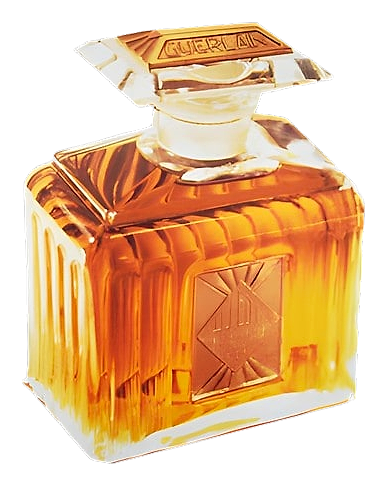
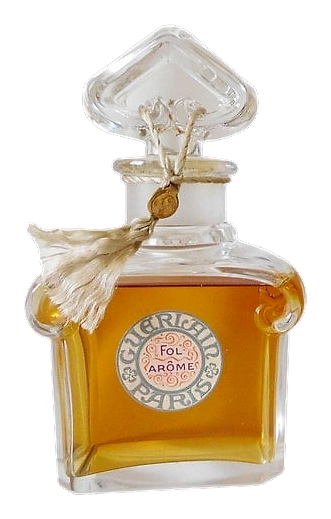
Jacques Guerlain created Fol Arôme in 1912, and the name alone tells you something: "Crazy Scent." He meant it. The combination of anise with lavender in a women's fragrance was unconventional for the era. Guerlain had been building the house's floral vocabulary for decades at that point, but this was something else, a floral-spicy structure that would eventually become part of the Guerlain lexicon. The decision to pair anise, that sharp, almost medicinal note, with cooling lavender and warm vanilla was Guerlain staking out new territory. Fol Arôme introduced carnation into the house's palette. It was a statement: feminine fragrance could hold contradictions and still cohere.
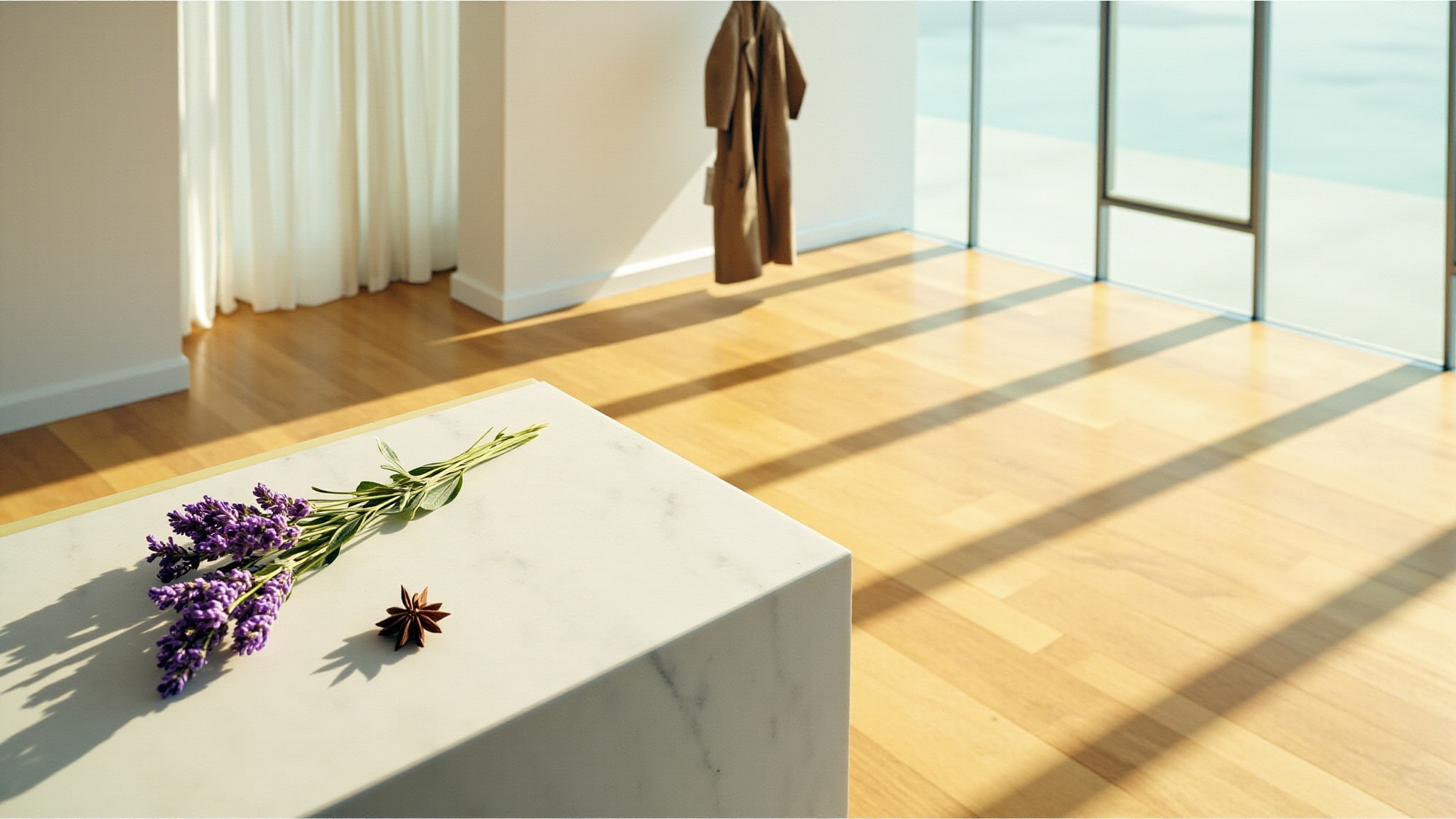
What makes Fol Arôme unusual is the anise-lavender tension at its opening. That combination, anise, with its sharp, almost black licorice quality, meets lavender's cool, aromatic herbs, is not a common pairing in women's fragrance. The drydown is where it surprises: despite vanilla in the base, Fol Arôme doesn't read as particularly sweet. The effect is woodier, earthier, almost dusty. Carnation adds a subtle spiced element that distinguishes this from other powdery Guerlain fragrances. It's a combination that feels simultaneously vintage and a little out of step with its own era.
The evolution
Lavender and anise arrive together, the anise sharp, the lavender cooling beneath it. Bergamot lifts the herbs, a brief citrus brightness, and jasmine is already warming underneath, waiting its turn. Then the handoff: rose and mint arrive together, supported by clary sage and orris root. The floral-green heart deepens, lasting a few hours. Sweet acacia, carnation, musk, and vanilla form the base, the carnation lending its spiced character, the vanilla providing warmth, but Fol Arôme's drydown surprises. The vanilla doesn't read as sweet. It turns woodier, earthier, as if the carnation and musk have overwritten it. This lingers for 8-10 hours, with strong sillage throughout the opening and heart. The next morning: faint traces on skin, the carnation and vanilla still detectable. Close. Persistent. Worth the commitment.
Cultural impact
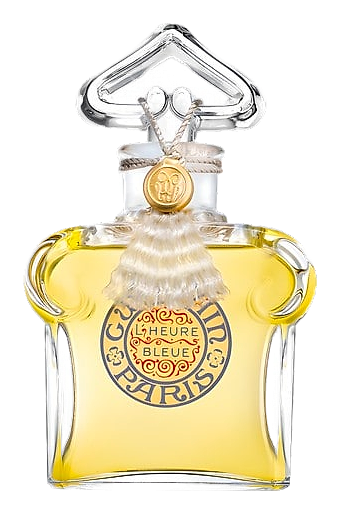
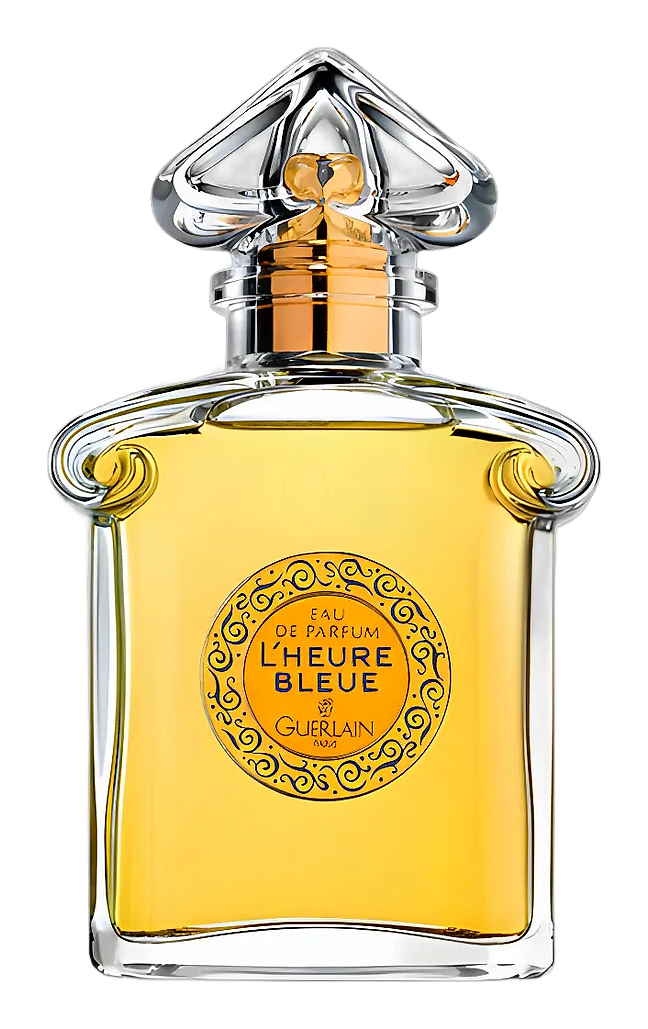
Fol Arôme occupies its own space in Guerlain's history, not the powdery florals of L'Heure Bleue, not the aromatic-spicy direction of later work. Collectors of vintage Guerlain hold it as a curiosity, a fragrance that doesn't quite fit the categories. Wearers describe it as the kind of scent that feels familiar without being able to place why, as if it belongs to some collective memory of a smell that doesn't exist anymore in quite this form.
The House
GuerlainGuerlain stands as one of the oldest and most revered perfume houses in the world, founded in Paris in 1828 by Pierre-François-Pascal Guerlain. What began as a boutique on rue de Rivoli quickly became the preferred destination for Parisian society, attracting dandies and elegant women who sought custom-crafted fragrances. The house's influence grew to such heights that Guerlain earned the title of Official Perfumer to Napoleon III after presenting Eau de Cologne Impériale to Empress Eugénie as a wedding gift in 1853. This royal patronage marked the beginning of Guerlain's enduring association with European aristocracy, as the house went on to create fragrances for Queen Victoria and Queen Isabella II of Spain. Today, under the creative direction of Thierry Wasser, the fifth-generation perfumer, Guerlain continues to shape the landscape of fine fragrance with a portfolio spanning over 1,100 olfactory creations. The house remains headquartered at its legendary Champs-Élysées mansion, a historic monument that anchors Guerlain's position at the intersection of heritage and contemporary luxury.
The Creator
Jacques GuerlainJacques was among the first perfumers to work seriously with synthetic ingredients alongside naturals, publishing on essential oils with chemist Justin Dupont and experimenting with perfuming ink. His technical approach was precise: volume measurements for liquids, careful wei…