The Story
Why it exists.
The beginning
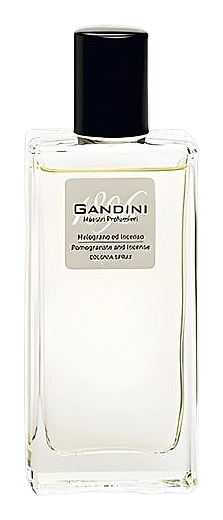
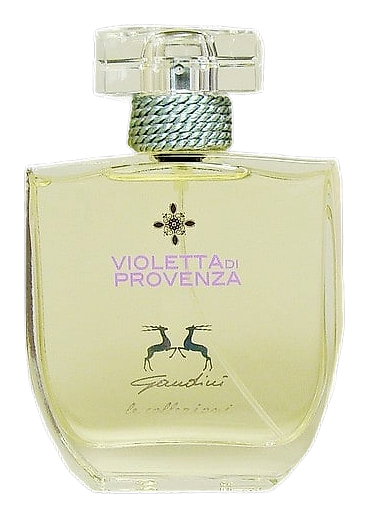
Violetta di Provenza was released in 1896 by Gandini, a perfume house whose documented identity in the available research centers on that year and the fragrance itself. Created for women, the composition is shaped by a vivid contrast between fruit and violet. Fruit supplies the opening sparkle, while violet keeps the character cool and composed. Its heart deepens with jasmine and tuberose, giving the floral center a fuller white-flower presence without obscuring the structure beneath it. No named perfumer appears in the available research, which instead records the release year, the house, and the note composition. Those notes offer the clearest path into the scent: a bright fruit opening, a lush floral middle, and a quieter woody finish.
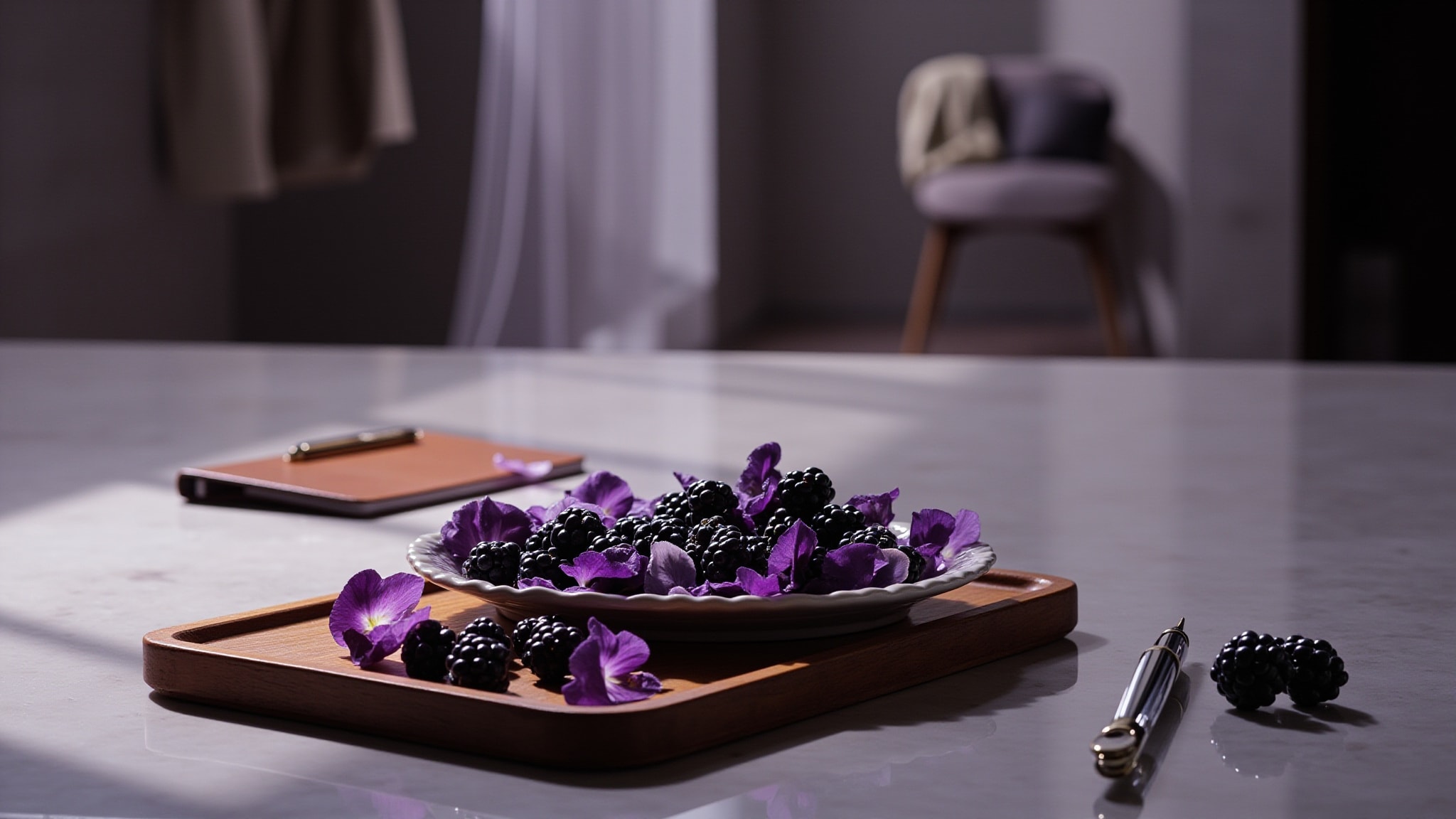
The interesting part is the handoff from fruit to flower. Blackcurrant and raspberry bring a dark, glossy brightness, while violet prevents the opening from becoming simply sweet. Jasmine and tuberose then give the middle a powdery floral weight, more textured than a single blossom would be. The base turns the whole thing toward something more grown-up: teakwood, musk, and vetiver create a woody, quietly earthy finish. It is a classic-looking floral that refuses to stay politely in the background.
The evolution
The first impression is a burst of dark fruit, almost jewel-like, before violet cools the edges and gives the scent a leafy, mineral air. As the opening settles, the composition shifts toward jasmine and tuberose. Those flowers move beyond a light floral impression into a creamy, powdery white floral core with a faint green, aquatic character. The fruit gradually recedes, allowing violet and the white flowers to share the center. Then the base becomes more apparent. Teakwood introduces a dry, polished grain, musk softens the transitions, and vetiver adds an earthy, faintly bitter layer beneath the flowers. The result feels less like a single floral than a carefully edited garden after rain. The opening is vivid, the heart carries the floral weight, and the drydown settles into a composed, woody trace.
Cultural impact
Violetta di Provenza can be understood through its documented note structure rather than through broader claims about cultural positioning. Dark fruit establishes a vivid opening, violet introduces a cool floral counterpoint, and jasmine and tuberose build a creamy white floral heart. Teakwood, musk, and vetiver then reshape the composition with dry grain, softness, and an earthy accent. This progression gives the fragrance a distinct place within floral scent descriptions while leaving its interpretation open to the way each note interacts on the wearer.