


    Brand Profile

    Gandini 1896 stands as one of Italy’s oldest perfume houses, tracing its roots to the city of Alessandria in 1896. The brand revives histori…More

    Italy·Est. 1896

    2

    Fragrances

    4.3

    Rating

    28
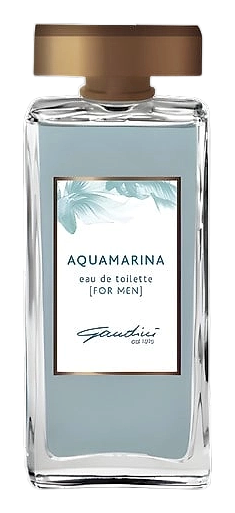
    Aquamarina by Gandini 1896 – Eau de Toilette
    Best Seller
    4.3

    Aquamarina

    Eau de Toilette

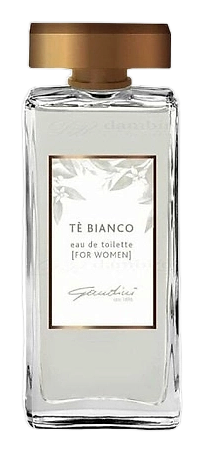
    Tè Bianco by Gandini 1896 – Eau de Toilette
    Best Seller
    4.3

    Tè Bianco

    Eau de Toilette

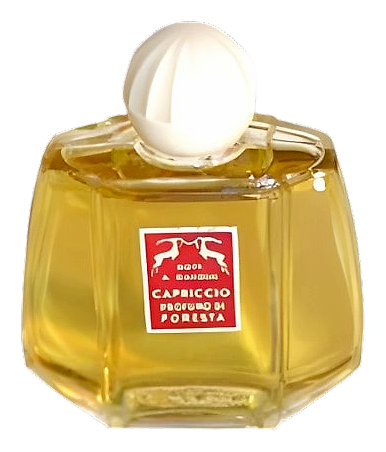
    Capriccio by Gandini 1896
    Best Seller
    4.3

    Capriccio

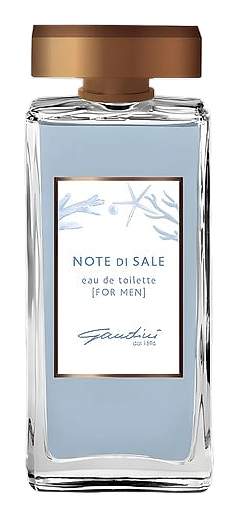
    Note di Sale by Gandini 1896
    4.3

    Note di Sale

    Violetta di Provenza by Gandini 1896
    4.3

    Violetta di Provenza

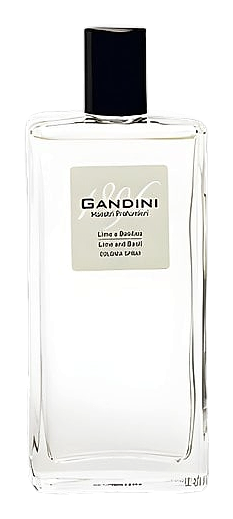
    Lime and Basil by Gandini 1896
    4.2

    Lime and Basil

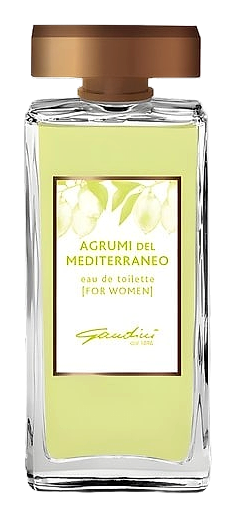
    Agrumi del Mediterraneo by Gandini 1896
    4.2

    Agrumi del Mediterraneo

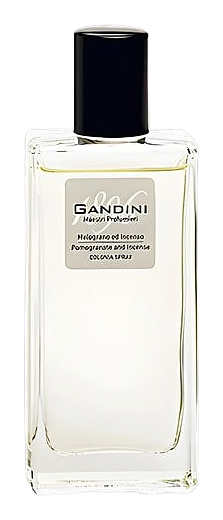
    Pomegranate and Incense by Gandini 1896
    4.2

    Pomegranate and Incense

    Black Oud by Gandini 1896
    4.2

    Black Oud

    Rosa Rose by Gandini 1896
    4.1

    Rosa Rose

    Blue Musk by Gandini 1896
    4.1

    Blue Musk

    Tabacco by Gandini 1896
    4.1

    Tabacco

    1 of 3

    The Heritage

    The Story of Gandini 1896

    Gandini 1896 stands as one of Italy’s oldest perfume houses, tracing its roots to the city of Alessandria in 1896. The brand revives historic formulas while keeping a clear focus on the traditional art of scent making. Its catalogue includes coastal inspirations such as Note di Sale, citrus‑driven Lime and Basil, and the bright Agrumi del Mediterraneo, alongside classic florals like Violetta di Provenza and modern twists such as Black Oud. Gandini’s approach feels like a quiet conversation with the past, offering collectors a chance to wear a piece of Italian perfume heritage.

    Heritage

    Alessandro Gandini founded the company in 1896, establishing a workshop that imported natural raw materials from the Mediterranean and the Near East. Early records show the house supplied essential oils to local artisans and helped standardise quality for Italian colognes at the turn of the century. The brand survived two world wars, adapting its supply chain while preserving original recipes. In the post‑war era Gandini introduced a series of signature scents, including Capriccio in 1940, a bright, citrus‑forward fragrance that reflected the optimism of the time. By the late 20th century, the house faced market consolidation, and many of its classic blends fell out of production. A turning point arrived in 2009 when Gandini relaunched its historic formulas, working with archivists to reconstruct original ingredient lists and proportions. This revival sparked a new line of releases: Lime and Basil (2010) brought a fresh, herbaceous take on Italian cologne, while Pomegranate and Incense (2010) explored richer, oriental accords. The brand continued to expand its portfolio with Agrumi del Mediterraneo in 2019, celebrating the sun‑kissed citrus groves of southern Italy, and Rosa Rose in 2022, a refined nod to classic rose compositions. Throughout more than a century, Gandini has remained a family‑run operation, maintaining its headquarters in Alessandria and preserving the artisanal spirit that defined its early years.

    Craftsmanship

    Every Gandini bottle begins with a careful selection of raw materials sourced from regions known for quality. The house continues to import bergamot from Calabria, neroli from Sicily, and lavender from the Provençal plateau, often working directly with growers to ensure sustainable harvests. Traditional extraction methods such as steam distillation and cold‑pressing remain central to the process, especially for citrus notes that define many of the brand’s offerings. When recreating historic formulas, Gandini consults archival documents, comparing original ingredient lists with modern equivalents to maintain fidelity. Production takes place in a modest workshop in Alessandria, where master blenders weigh each component by hand, adjusting ratios to match the scent profile recorded in the archives. The blends mature in glass vessels for several weeks, allowing the layers to integrate fully before bottling. Quality control includes sensory evaluation by a panel of experienced noses, who verify that each batch meets the house’s standards for balance, longevity, and authenticity. The final product is filtered, decanted into the brand’s signature glass, and sealed with a simple metal cap, reflecting the house’s commitment to understated elegance.

    Design Language

    Gandini’s visual language mirrors its fragrance philosophy: clean, restrained, and anchored in heritage. Bottles typically feature clear or lightly tinted glass that showcases the perfume’s natural hue, while the label presents the brand name in a classic serif typeface, often accompanied by the founding year in small caps. The design avoids excessive ornamentation, opting instead for a subtle gold or silver foil accent that hints at the house’s long history. Caps are usually brushed metal, providing a tactile contrast to the smooth glass. Packaging boxes employ thick, matte paper in muted tones—cream, slate, or deep navy—allowing the fragrance name to stand out in understated lettering. This minimal approach reinforces the idea that the scent itself, rather than flashy packaging, is the centerpiece. Across the line, the aesthetic remains consistent, creating a cohesive shelf presence that appeals to collectors who value quiet sophistication over overt branding.

    Philosophy

    Gandini frames its creative vision around respect for tradition and a disciplined use of natural ingredients. The house believes that a fragrance should tell a story rooted in place, so it draws heavily on the scents of the Italian coast, the hills of Piedmont, and the citrus orchards of Sicily. Rather than chasing trends, Gandini lets the character of each raw material guide the composition, allowing the perfume to evolve naturally from its ingredients. The brand values transparency, documenting the provenance of its oils and absolutes whenever possible. It also embraces a modest scale of production, which it says helps preserve the integrity of historic formulas while giving perfumers room to experiment within defined boundaries. This balance of heritage and subtle innovation defines Gandini’s ethos: to offer scents that feel both timeless and unmistakably Italian.

    Key Milestones

    1896

    Alessandro Gandini establishes the perfumery in Alessandria, Italy.

    1940

    Launch of Capriccio, a citrus‑forward fragrance that becomes a post‑war favorite.

    2009

    Relaunch of historic formulas, marking a revival of the house’s archival scents.

    2010

    Release of Lime and Basil, a fresh herbaceous cologne that modernises the classic Italian style.

    2019

    Introduction of Agrumi del Mediterraneo, celebrating southern Italy’s citrus heritage.

    2022

    Debut of Rosa Rose, a refined rose composition that references early 20th‑century Italian florals.

    At a Glance

    Brand profile snapshot

    Origin

    Italy

    Founded

    1896

    Heritage

    130

    Years active

    Collection

    2

    Fragrances released

    Avg Rating

    4.3

    Community sentiment

    Release Rhythm

    2022
    1
    2019
    1
    2010
    9
    2009
    1
    1940
    1

    Did You Know?

    Interesting Facts

    Distinctive details and defining moments that shape the house personality.

    01

    Gandini still operates from its original workshop in Alessandria, a city known for its historic textile and perfume trades.

    02

    The 2009 relaunch involved archivists who examined handwritten formula sheets dating back to the early 1900s.

    03

    Many of the brand’s citrus scents use bergamot harvested before the fruit reaches full ripeness, a technique that preserves bright, green top notes.

    04

    Gandini’s bottle caps are hand‑polished metal, a detail that the house maintains for each limited‑run batch.