
The Story
Why it exists.
The beginning
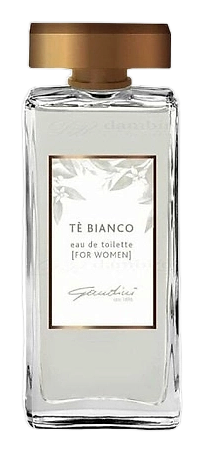
Gandini 1896 emerged from the rolling hills of Piedmont, where the family has crafted fragrance for over a century. The perfumer, approaching this creation, sought to capture something increasingly rare in modern perfumery: stillness itself. White tea became the philosophical center, chosen not for its novelty but for its inherent tranquility. The bergamot arrives from local groves, connecting this abstract concept to the earth where Gandini's roots remain firmly planted. The result reflects the house philosophy that the finest fragrances do not demand attention but earn it through quiet confidence.
The name itself carries deliberate weight. Tè Bianco is not merely descriptive; it represents a commitment to clarity and intention in an industry often obsessed with complexity and sillage. Gandini selected each ingredient to serve the whole rather than to demonstrate technical prowess. The cedarwood grounds what could have become an abstraction, while white musk anchors the composition to human skin. This is fragrance as meditation, as morning ritual, as the space between thoughts where clarity resides.
The evolution
The scent unfolds like a slow exhale. Initially, Tè Bianco announces itself with crisp clarity, citrus and tea dancing in an arrangement that feels both refreshing and contemplative. This opening phase lasts perhaps fifteen minutes before the composition shifts, revealing the heart's sophisticated layering. Here, iris emerges not as a shout but as a whisper of powdery elegance, supported by white pepper's subtle warmth. Cardamom adds an unexpected dimension, herbal and slightly spicy, that keeps the wearer alert rather than drowsy. As hours pass, the fragrance settles into its final chapter. White musk becomes dominant, projecting a skin-like intimacy that feels almost primitive in its simplicity. Mate and ambrette complete the picture, grounding the delicate tea notes with earthy, slightly animalic depth. The wearer becomes surrounded by a cloud of quiet sophistication, noticed only by those who lean in close enough to truly experience the fragrance's evolution.
Cultural impact
Wearers often describe Tè Bianco as a subtle signature for spring outings, noting its fresh tea brightness paired with a cedar nuance that sets it apart from typical white‑tea scents. Its understated sillage makes it a favorite for close‑quarter gatherings, while its powdery finish earns compliments for a clean, refined aura that feels both classic and contemporary.