The Story
Why it exists.
The beginning
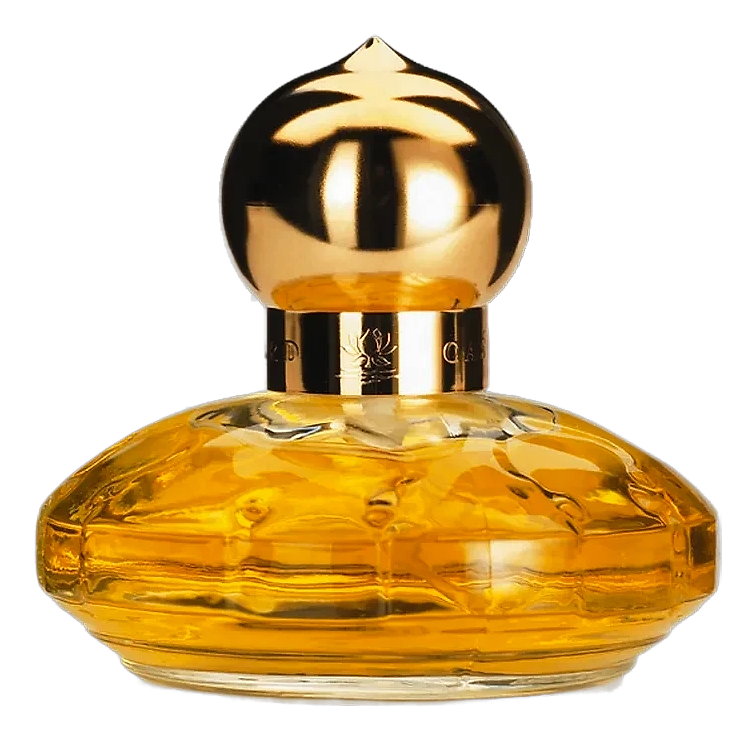
Capriccio arrived in 1940. The name itself says it all: a capriccio is a free, spontaneous musical form, something that doesn't obey rules. That spirit shaped the fragrance. It wasn't designed to announce itself or to please everyone in the room. It was designed to smell like the feeling of a door opening onto a morning you didn't expect to enjoy. The house worked with suppliers it had cultivated over time, and assembled something that felt, even then, like a small act of confidence. A house that had survived the years making something this alive. That says something.
What makes Capriccio interesting isn't any single note, it's the structure. A white floral heart built around wisteria, which isn't common. Wisteria doesn't behave like jasmine or rose; it has a cooler, almost violet-like quality that reads as powdery without being heavy. Pairing it with heliotrope and Damask rose in the heart gives the composition real dimension, different textures of floral layered together, none of them fighting for attention. Then the base: oakmoss anchoring the whole thing as a proper chypre should, but cashmere wood softening what could have been sharp or animalic. It's the cashmere that makes the difference. It lets the green stay green without ever becoming harsh.
The evolution
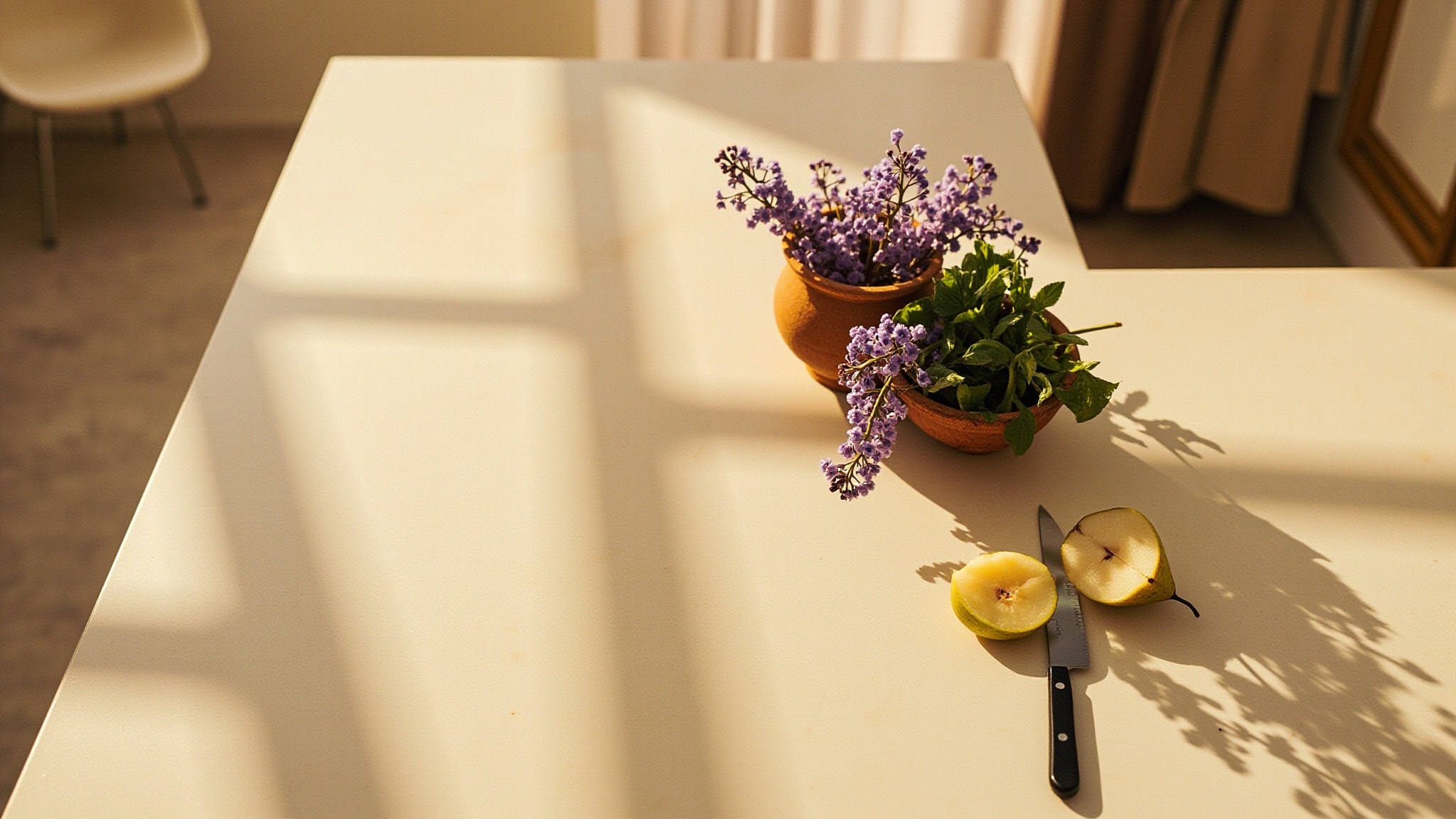
The opening hits quickly, mandarin and pear give brightness, but the basil keeps it from becoming sweet. That herbal edge is the first tell. The floral heart arrives next, the wisteria doesn't overpower, it arrives quietly, with the heliotrope and rose creating something powdery and soft. The oakmoss is the tell, the green that doesn't let go. Underneath it, cashmere wood adds a warmth that's less sandalwood, more what happens when light hits velvet. Musk keeps everything close, intimate, the kind of scent that doesn't announce itself. It lasts. That's the thing about Capriccio, the drydown outlasts the opening by hours, settling into something that stays close and warm through the day.
Cultural impact
Capriccio stands apart in how it approaches daily fragrance. Its design prioritizes wearability and subtle presence over projection. The pear note brings a lightness that feels modern without being austere. Basil adds an herbal dimension that connects to Mediterranean culinary traditions, making the scent feel familiar despite being distinctly perfumery. The fragrance doesn't announce itself across a room. It stays close to the skin, rewarding those nearby with its presence.