The Story
Why it exists.
The beginning
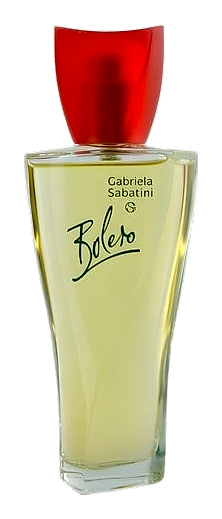
Bolero arrived in 1997, adding a warmer, more enveloping dimension to the Sabatini line. The brand's earlier releases leaned into citrus and aquatic territory, bright, athletic, optimized for daytime heat. Bolero marked a deliberate turn inward. The composition built on the success of those launches but reached for something richer, an oriental undertow that set it apart from the contemporary fruity-floral saturation. The name itself, a dance known for controlled intensity and emotional precision, echoed the athlete's own court presence. This was confidence in another register: not the sprint, but the slow build of something worth keeping.
The berry-and-rosewood pairing is the compositional move worth sitting with. Brazilian rosewood carries a camphorated, almost medicinal coolness beneath its sweetness, less warm amber, more green and sharp. Paired with sun-ripe berries, it creates a tension: fruit that doesn't just sprawl toward sugar. The rosewood keeps everything grounded, lending an unexpected structural depth that prevents the composition from floating away into pure sweetness. It's an unusual choice for a mass-market feminine fragrance of that era, and it gives Bolero a complexity that rewards attention.
The evolution
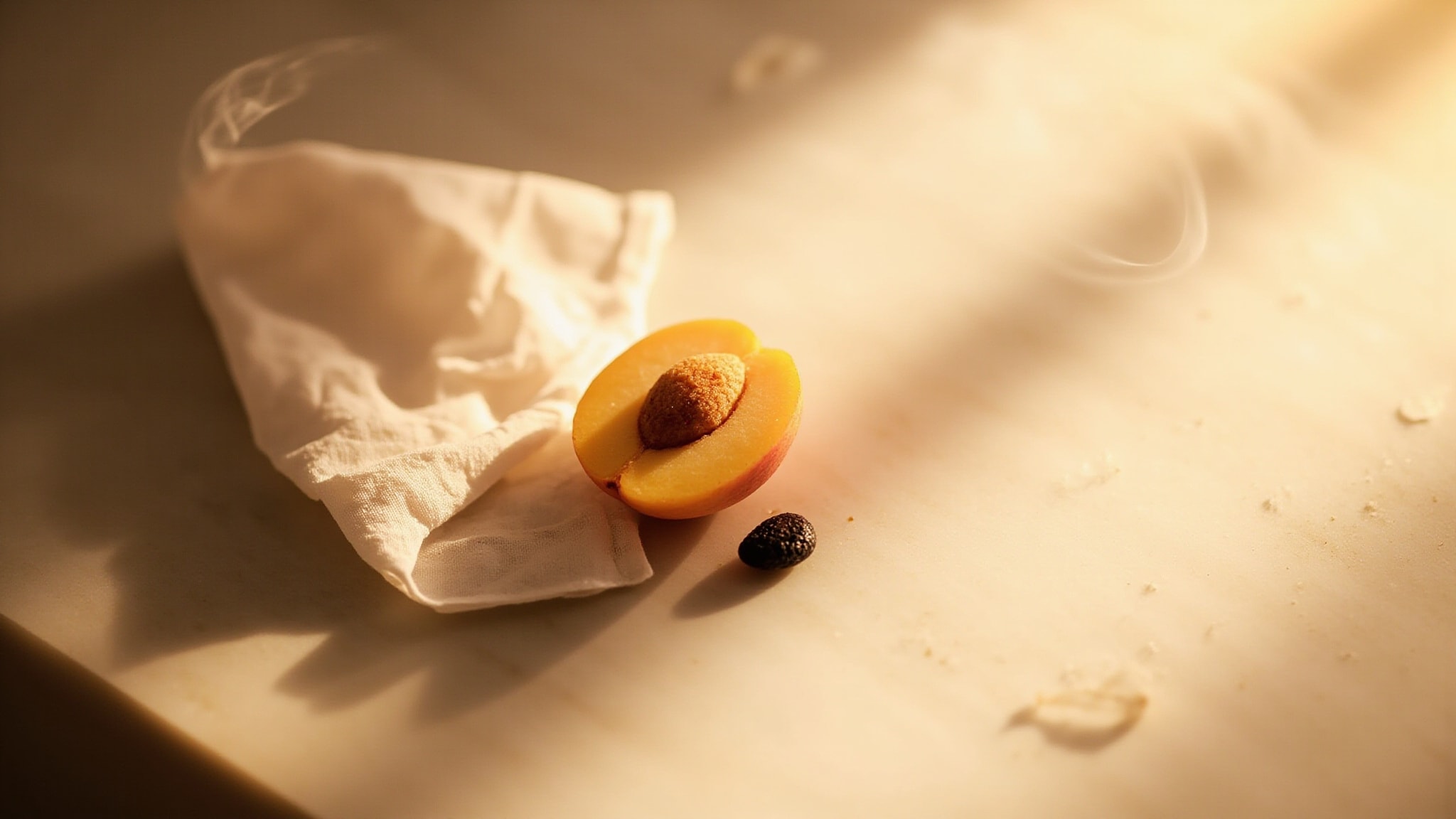
The opening is bright and tart, mandarin and berries collide, the Brazilian rosewood lending a cool, woody counterpoint almost immediately. This phase reads crisp, a little sharp, fruit in motion. Within twenty minutes the gardenia and peach arrive, creamy and sun-drenched, violet adding a powdery whisper beneath the rose. The heart phase is the longest, the composition softening and widening into something lush and approachable. The drydown belongs to tonka bean and sandalwood, warm, intimate, close to the skin. By hour five or six, the vanilla-tobacco warmth of the tonka has settled into something soft and powdery, the sandalwood keeping it grounded. On fabric, it lingers into the next morning, a faint warm trace.
Cultural impact
Released in 1997, Bolero captured a moment when mass-market women's fragrances were defining the decade's appetite for accessible, polished florals and fruity warmth. It occupied a distinct position within that landscape, neither aggressively aquatic nor overtly oriental, while carrying the sport-heritage confidence that set the Sabatini line apart. For those who remember it, Bolero reads as a reliable 90s constant, a scent that showed up and did its job without needing to announce itself.