The Story
Why it exists.
The beginning
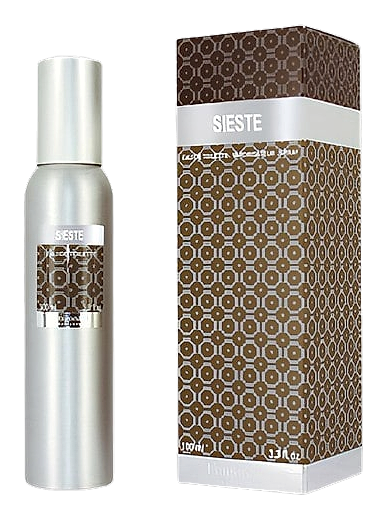
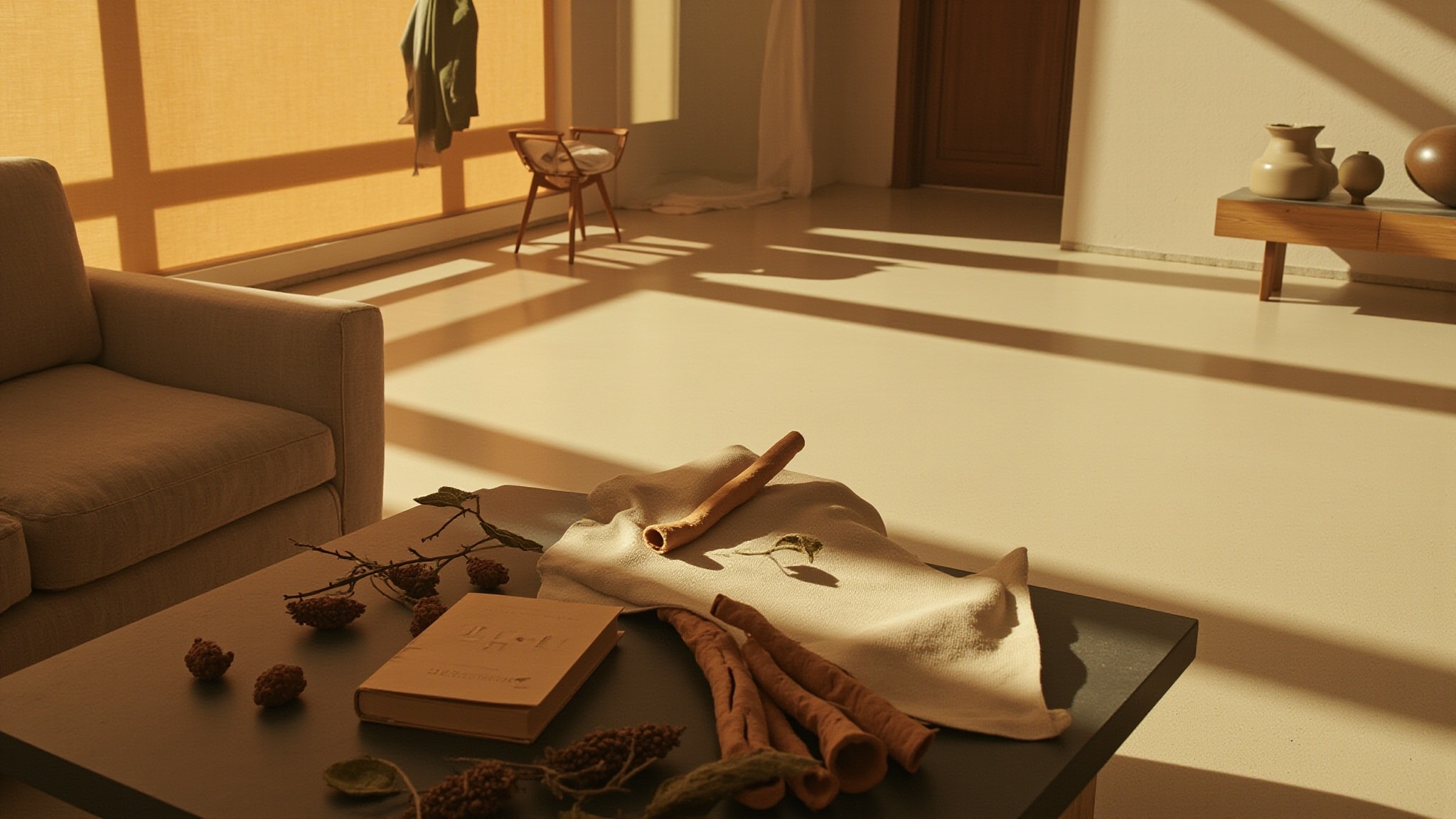
Sieste arrived in 1999 from Fragonard, the French perfume house whose name has been quietly attached to fragrance for decades. The word itself is French for nap, that suspended hour in the middle of the day when the shutters close and the world slows, and the composition reads like exactly that. Juniper and artemisia cut through the stillness first, a cool breeze across a sun-warmed floor. Then the spices arrive: cinnamon, coriander, nutmeg. Not the bright sweet version. The dustier, older kind, the spice that lives in a wooden box on a kitchen shelf, half-forgotten and waiting. There is a stillness to the way these notes settle on skin, an unhurried quality that feels less like wearing perfume and more like drifting into a quiet room with the windows thrown open. The spices never shout.
The juniper and artemisia at the top do the lifting, and they feel more like resinous pine and dry herbs than a typical cologne opening. There is something almost medicinal in the artemisia, a bitter green that keeps the juniper honest, and together they hold the fragrance at a distance from anything bright or sporty. Then the spice heart arrives without much floral interference. Cinnamon, coriander, and nutmeg stack together, three warm notes woven into a single cloth.
The evolution
The first ten minutes belong to juniper. It arrives sharp and green, almost gin-like, with artemisia giving it a dry herbal edge, the two notes pulling against each other in a way that feels crisp and slightly bitter. Then the temperature shifts. Cinnamon rounds in first, followed quickly by coriander and nutmeg, and the whole composition tips into warmth. The spices here are dense rather than sweet, more like bark and ground pod than dessert, and they arrive with a dusty, almost powdery weight that settles into the skin. Around the thirty-minute mark the incense begins to rise through the spices, threading smoke into the warmth. It doesn't burn so much as smolder, the way incense clings to a curtain after a room has been cleared. By the second hour the amber and patchouli have taken over. The spices haven't vanished.
Cultural impact
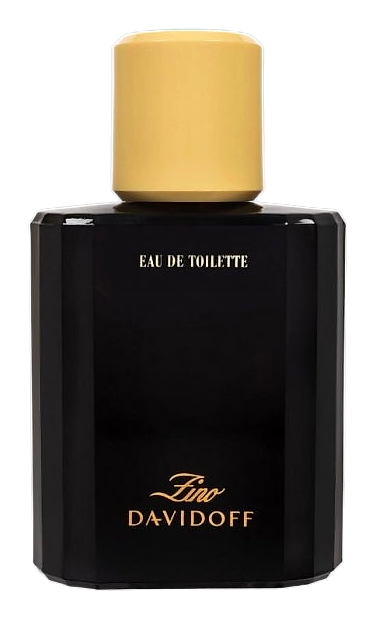
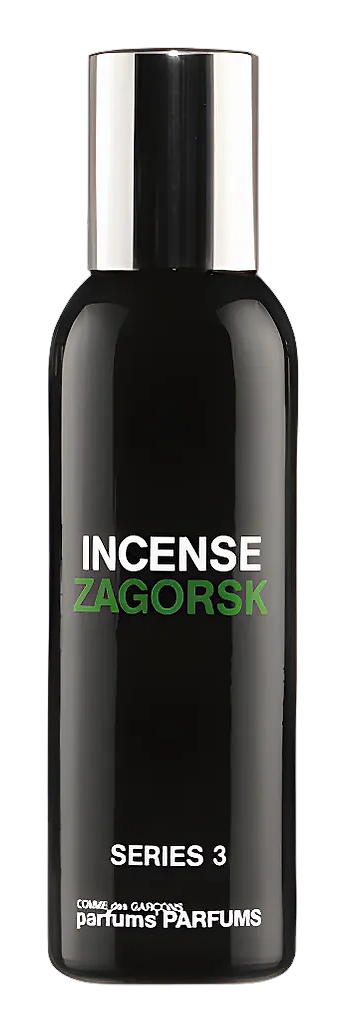
Sieste has earned a quiet following among collectors who gravitate toward aromatic-spicy compositions with real depth. It draws comparisons to Guerlain's Heritage, listed among the fragrances often mentioned alongside it, and shares that smoky amber character, though Sieste wears drier and more herbal in the opening, with the juniper and artemisia keeping the warmth from turning too dense. In the catalogue of late-90s releases it stands as a fragrance that resisted the cleaner, brighter trends of the decade, leaning instead into spice, resin, and a kind of stillness that felt out of step at the time and only more appealing with age.