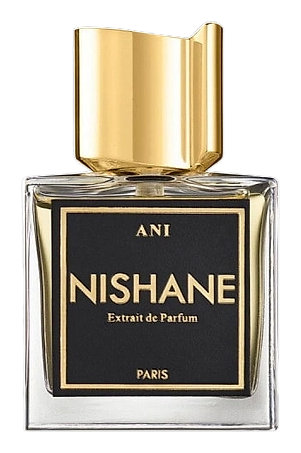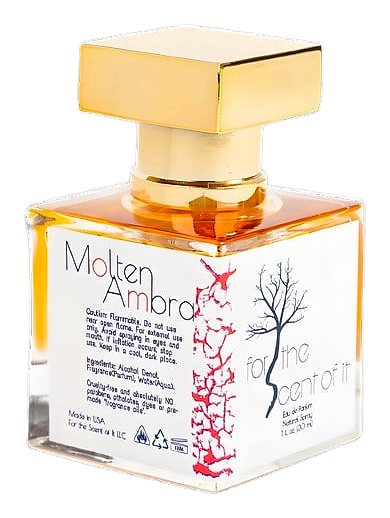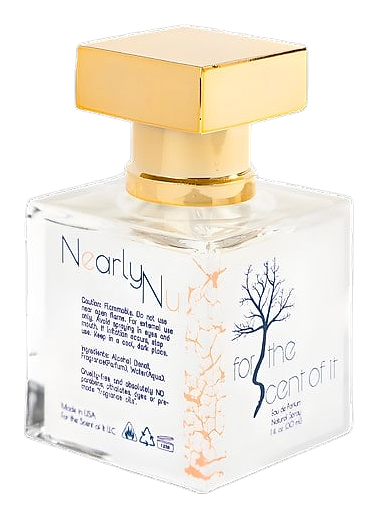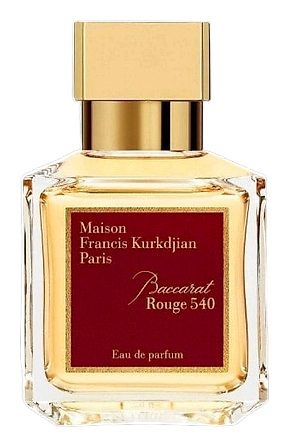
The Story
Why it exists.
The beginning
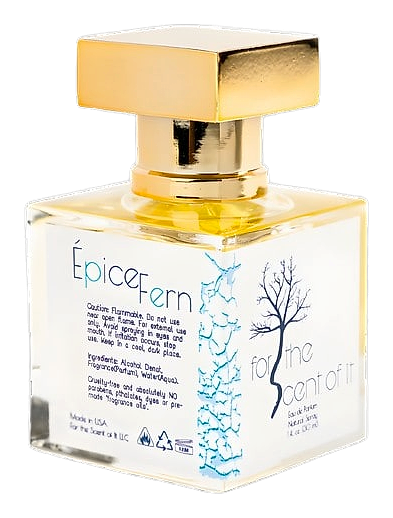
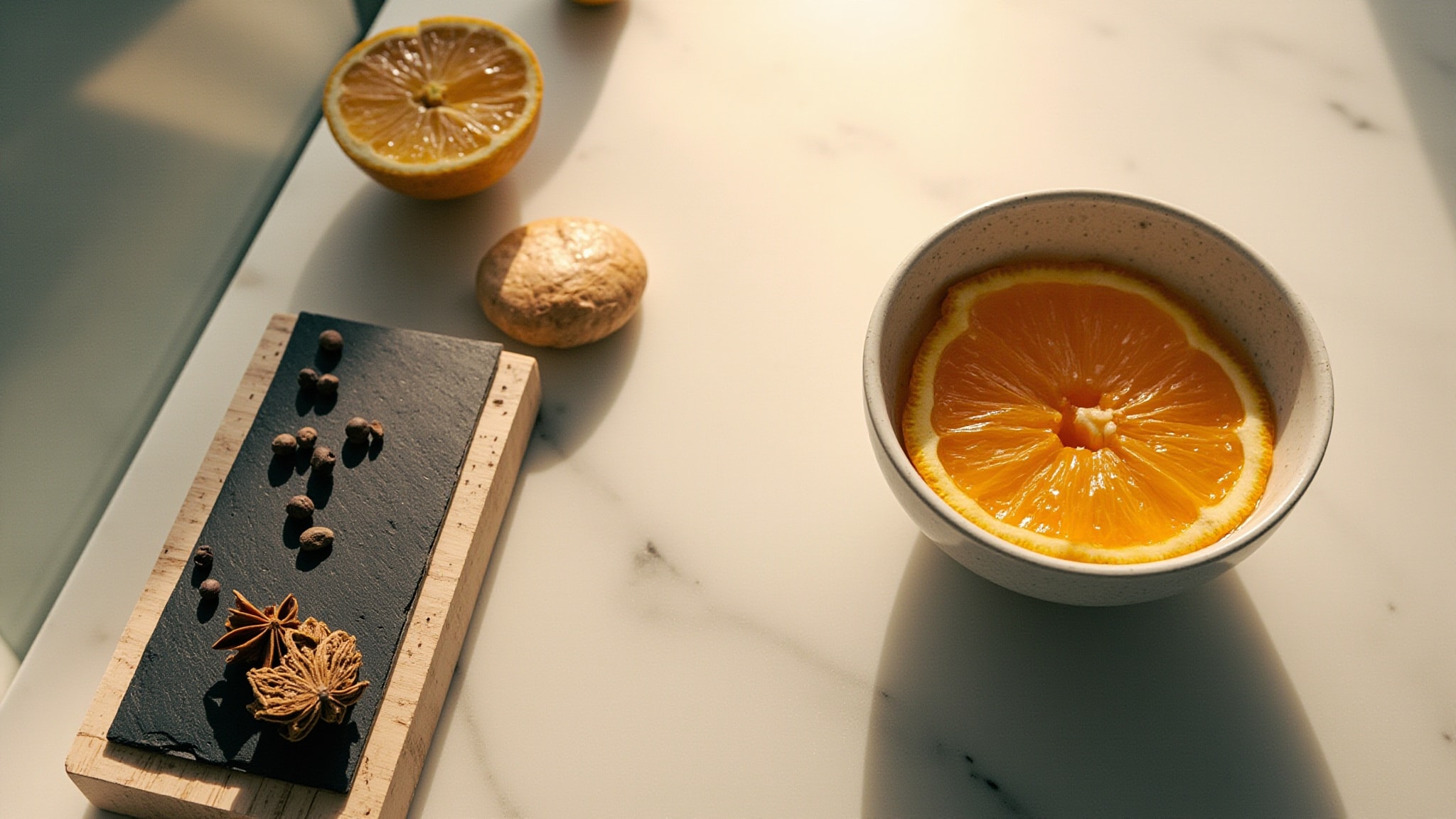
Michael Schrammel built Épice Fern in 2022 around a question he couldn't shake. Anise and mint as main characters, not bit players. He'd used both in supporting roles before, placing them in blends where they whispered from the edges, adding flickers of cool and sweet to compositions led by other notes. This time they lead. The result is a composition named for a plant that doesn't exist, a spiced fern grown from imagination rather than soil, where every leaf carries the chill of anise and every root holds warmth. The coolness of the mint winds through the spices like a current of fresh air, lifting the sharpness of the anise rather than smothering it, and the whole thing reads as something botanical that never quite was, a botanical fantasy rendered through perfumery.
What makes Épice Fern unusual is its willingness to be cold and warm at the same time. Three peppers, cinnamon, star anise, and mint arrive together, building a sensation most fragrances avoid: actual coolness, the kind you taste in a strong pastis or a fresh fennel frond. Most spicy compositions lean smoky or sweet. This one leans mentholated, then anchors that brightness with cedar, amber, and a forest-floor base of oakmoss, patchouli, sandalwood, and tonka. The contrast is the architecture.
The evolution
The opening is a controlled burn. Star anise leads with its licorice bite, mandarin adds a brief sweetness that vanishes fast, and the three peppers build quickly alongside cinnamon until the whole opening reads sharp and bright. Mint arrives almost immediately, not as a single note but as a temperature, cooling the spice the way menthol cools a balm. As the composition wears, cedar and amber step forward and the blend shifts register. The chill stays, but it settles. Lavender threads through the middle without announcing itself, softening the pepper just enough. The drydown gradually claims the composition: sandalwood and tonka take over, oakmoss and patchouli add a damp, green weight, and ambrette brings a musky, almost-skinlike warmth underneath. The cooling effect lingers faintly across hours of wear, surprising you when you catch your wrist.
Cultural impact
Wears like an old spice-route map rendered in modern materials. The kind of composition that carries structural tension, where nothing sits still and every note earns its place. Black pepper, white pepper, and pink pepper stacked together create a layered heat, each one catching the light at a slightly different angle, sharp and bright, dry and slightly fruity in turn. The star anise gives it a faint licorice edge, sweet and cooling at once, and the combined effect pulls the composition toward something more storied and less conventional, a blend that references spice history without aping any single tradition.
The House
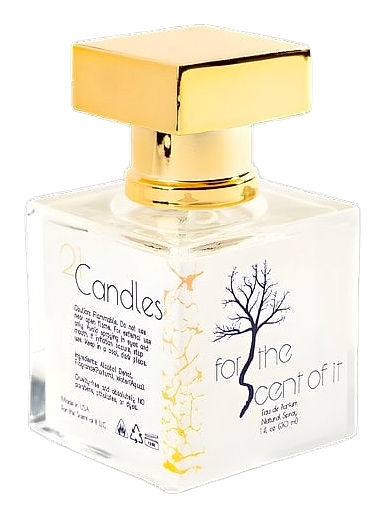
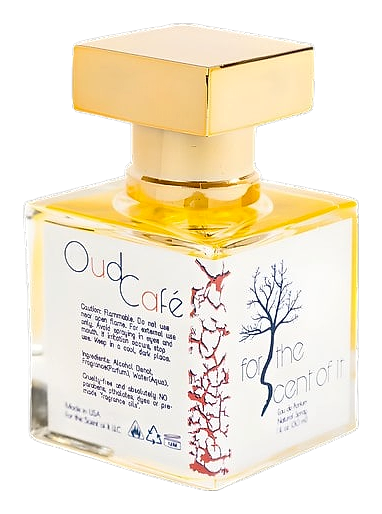
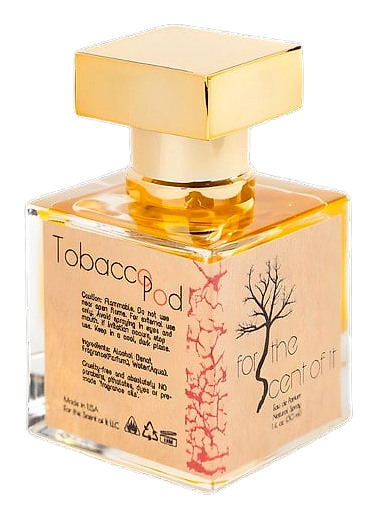
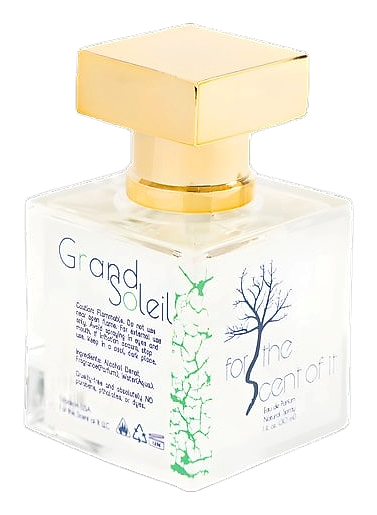
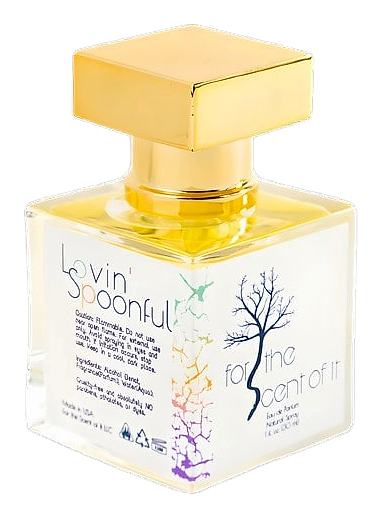
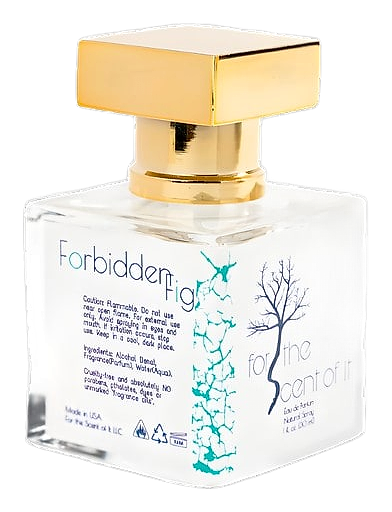
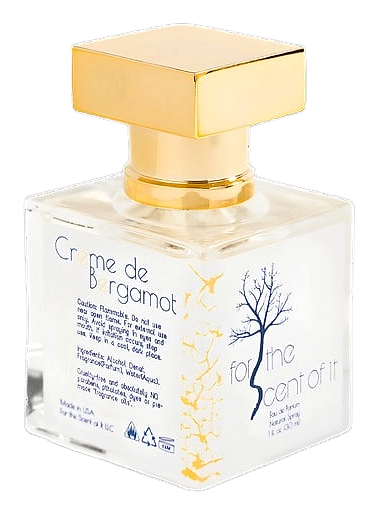
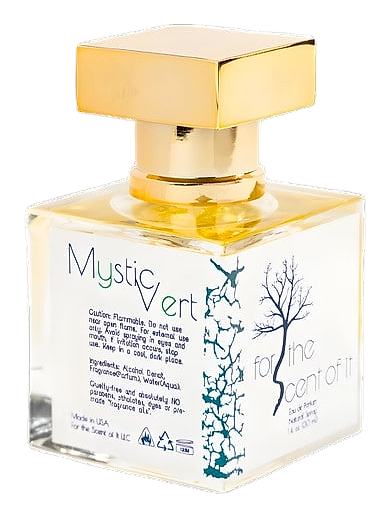
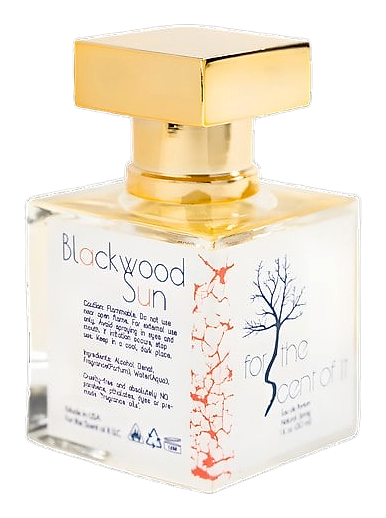
For the Scent of ItFor the Scent of It is a fragrance house that emerged in the early 2020s with a catalog of original compositions spanning multiple fragrance families. The brand has released at least ten distinctive scents including Oud Café, Nearly Nu, Blackwood Sun, Mystic Vert, Tobacco Pod, Black Sails, 21 Candles, Lovin' Spoonful, Molten Ambra, and Grand Soleil, with releases distributed across 2021 through 2023. The house appears to favor evocative, narrative-driven naming conventions that suggest sensory experiences and atmospheric moments.
The Creator
Michael SchrammelSchrammel gravitates toward darker, more complex fragrance profiles. His work often features oriental woods, smoky incense, and rich fig compositions.