





Heritage
A house, in its own words
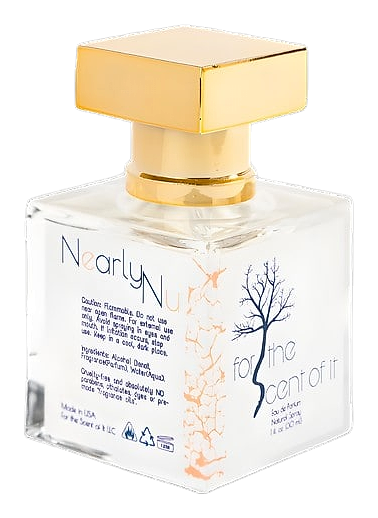
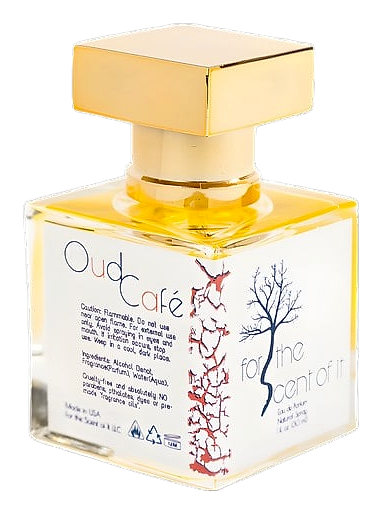
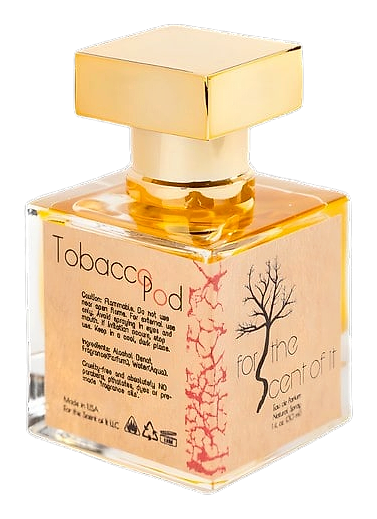
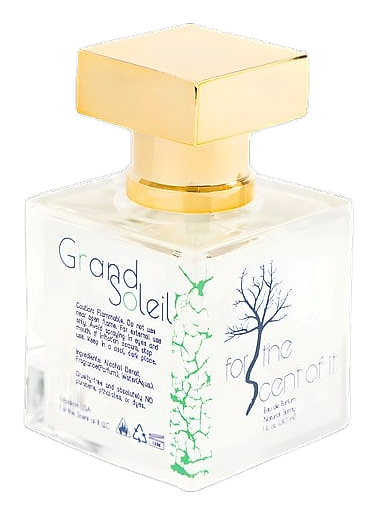
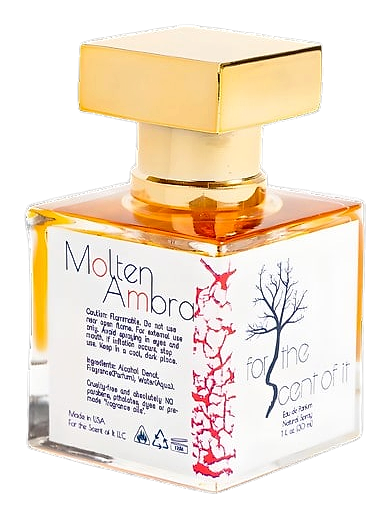
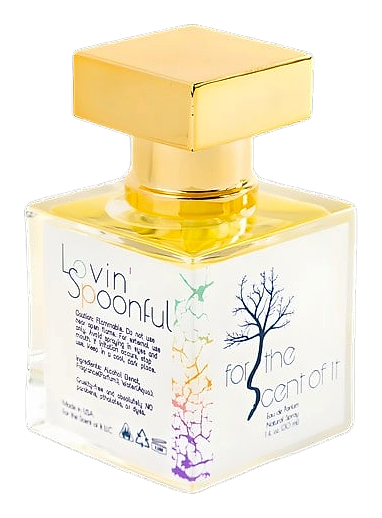
Detailed public information about the founding of For the Scent of It remains limited in available sources. The brand does not appear to have disclosed its founding year, location, or original founder through mainstream industry channels. The catalog of fragrances attributed to the house shows activity beginning around 2021, with releases continuing through 2023, suggesting the house established its presence during this period. No formal press releases, interviews with founders, or documented industry coverage appears to have emerged regarding the brand's origin story, business structure, or early history. This absence of documented heritage material is not uncommon among independent or emerging fragrance houses that operate primarily through direct-to-consumer channels rather than traditional retail distribution. The brand's trajectory, as evidenced by its released compositions, indicates a creative output that developed relatively quickly upon its market entry, producing a diverse range of fragrances across several years. Without corroborating third-party sources such as industry publications, fragrance databases, or documented interviews, any specific claims about the brand's founding circumstances would be speculative. Researchers and fragrance enthusiasts seeking detailed heritage information for For the Scent of It may find the brand's About page or direct communications the most current source, though such internal sources require independent verification. For the Scent of It appears to operate as an independent fragrance house, though the brand has not publicly articulated an explicit mission statement or documented creative philosophy through verified third-party sources. The fragrance names within the catalog suggest thematic interests spanning aromatic genres: Oud Café implies a gourmand-adjacent direction combining oud wood notes with coffee accord; Nearly Nu and Tobacco Pod indicate straightforward, stripped-down naming that may reflect minimalist intentions; Blackwood Sun and Black Sails evoke atmospheric, mood-driven imagery; 21 Candles suggests celebration or ritual; Lovin' Spoonful appears playful; Molten Ambra and Grand Soleil point toward warmth and light. Mystic Vert offers an unexpected linguistic combination. These disparate thematic approaches resist easy categorization, potentially indicating a creative philosophy of exploring varied olfactory territories rather than adhering to a singular house identity. The absence of named perfumers attached to the releases makes it difficult to assess whether the house collaborates with external talent or develops fragrances through internal creative processes. Without documented statements from the brand founders or corroborated accounts from industry coverage, any analysis of the house philosophy remains interpretive rather than definitive.