The Story
Why it exists.
The beginning
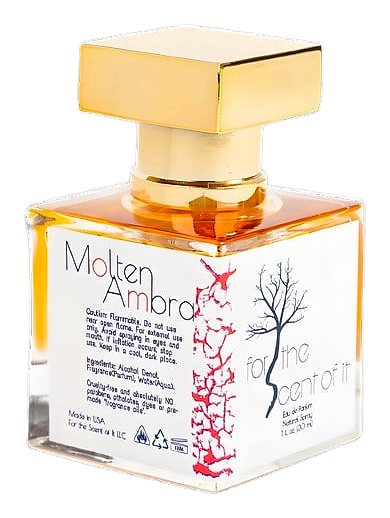
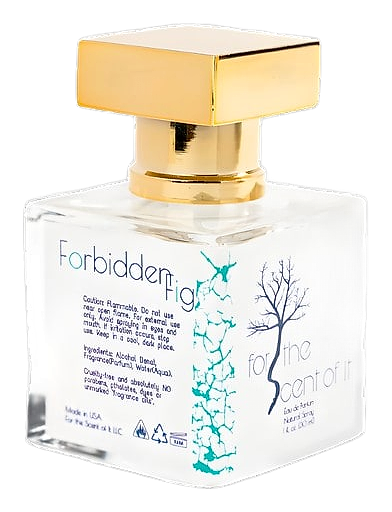
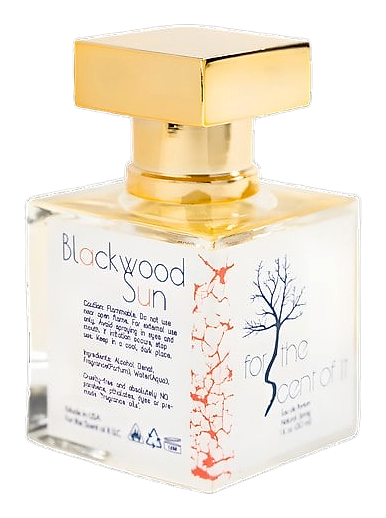
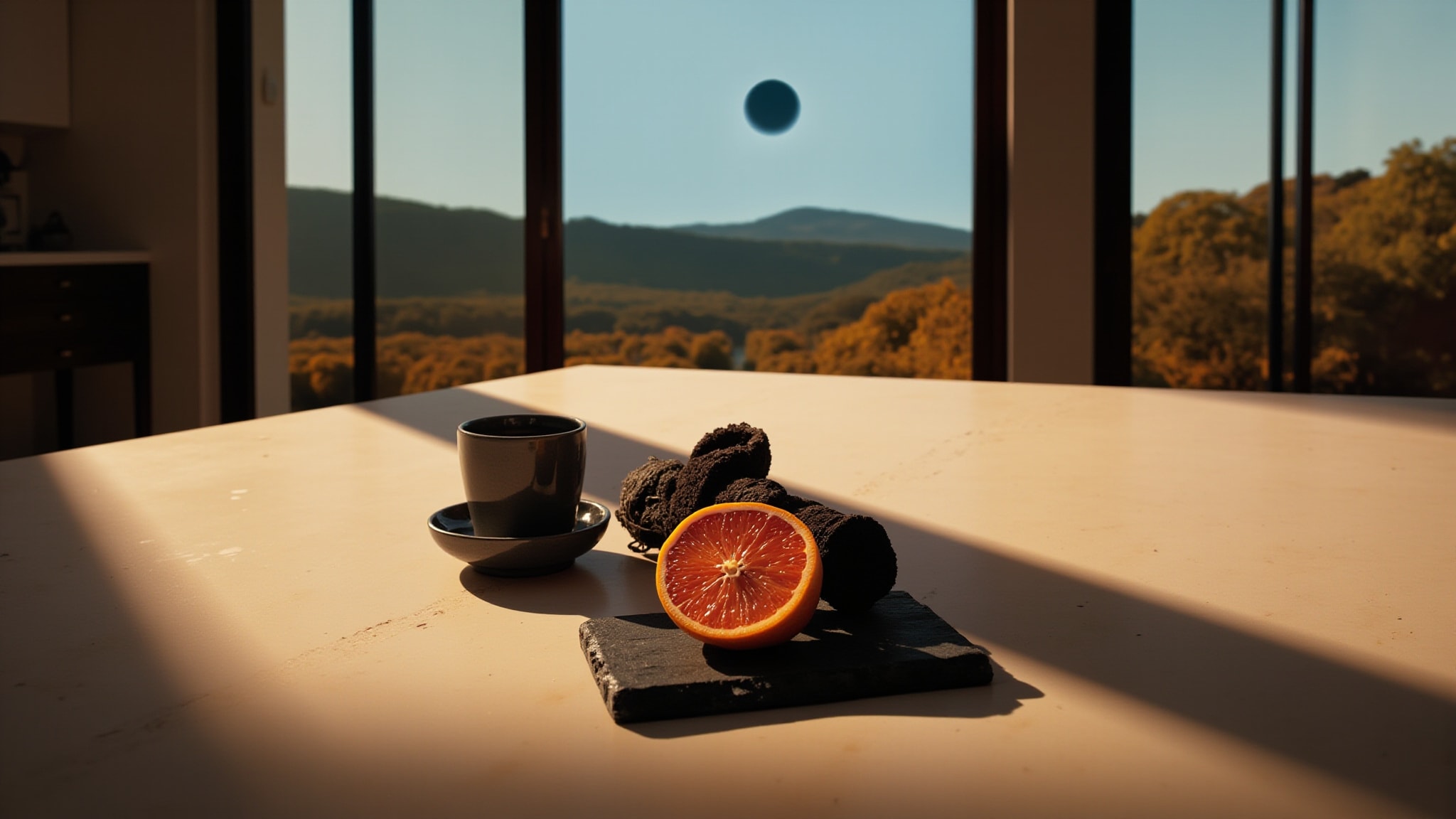
Michael Schrammel built Blackwood Sun in 2021 around a single image: a solar eclipse passing over a blood orange grove. Not a fragrance that nods to darkness, not a moody woody dressed up with a bright opening. Something literal. The sun, shrouded. The citrus, still ripening underneath. A concept first, a structure second, a scent third. For the Scent of It, the indie house behind the release, operates with that same narrative-first instinct. The catalog leans into names that paint a scene before a note: nearly nude, tobacco pods, molten amber, forbidden figs. Blackwood Sun fits that sensibility. It's a place, a weather event, a sensory story you wear rather than read.
What makes the structure interesting is the audacity of its single heart note. Ebony wood, standing alone between top and base. Most compositions soften the transition between citrus and earth with a bridge, maybe a spice, maybe a floral. Schrammel removed the scaffolding. The bergamot and blood orange at the top are warm-weather fruits, but they land directly onto dense, almost metallic wood. That gap is the eclipse. The tea note in the opening does quiet work, a dry herbal handoff that keeps the citrus from reading simple before the wood takes over. Then patchouli and vetiver anchor the drydown, both earthy, both stubborn about staying. It's a composition that doesn't negotiate between its two halves.
The evolution
The opening arrives like sunlight on skin, warm and almost edible. Bergamot and blood orange press together, with tea threading through as a dry, almost smoky counterweight. For the first 20 minutes the citrus holds the floor. Then something heavier begins to register. The ebony wood doesn't creep so much as descend, a column of dark grain settling over the brightness until the two are coexisting in the same breath. This is where the fragrance earns its name. By the two-hour mark the eclipse is in full effect: citrus now reads as memory, the wood as present tense. Vetiver arrives with its green, slightly bitter root quality, and patchouli grounds everything in dark, damp earth. The drydown is where it lives longest, a quiet vetiver-patchouli skin scent that carries for hours. Moderate sillage through the middle, more intimate by evening, and what lingers on a scarf the next morning is mostly wood and root, the orange now a faint warmth rather than a fruit.
Cultural impact
Worn by people who like their fragrance to tell a small story. The kind of scent that earns a second question rather than a first compliment. Sits naturally next to other indie narrative compositions for readers drawn to concept-first perfumery. Blackwood Sun operates in the mode of image-driven briefs that invite the wearer into a scene before a single note is announced. The eclipse passing over a blood orange grove is the kind of starting point that resists easy summary, and the composition itself leans into that refusal, layering shadow over ripeness rather than offering a familiar bright-then-ground structure.
The House
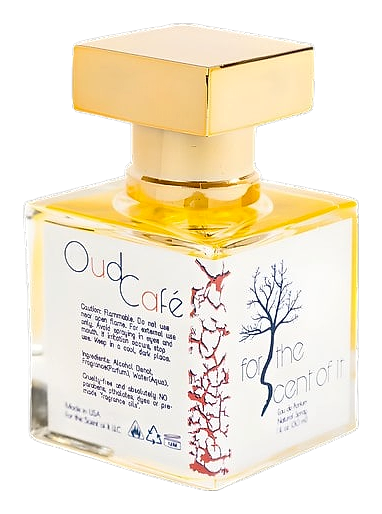
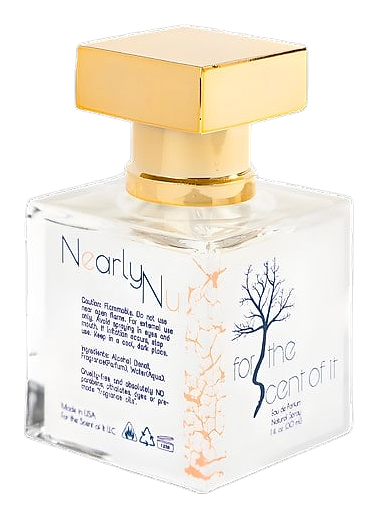
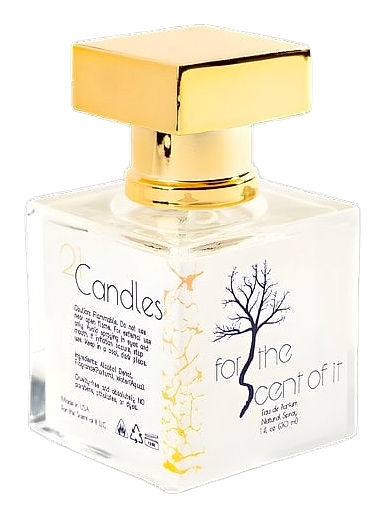
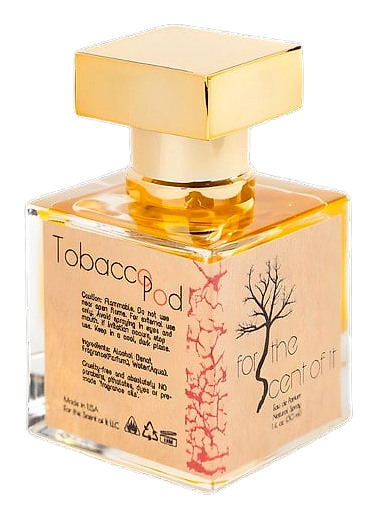
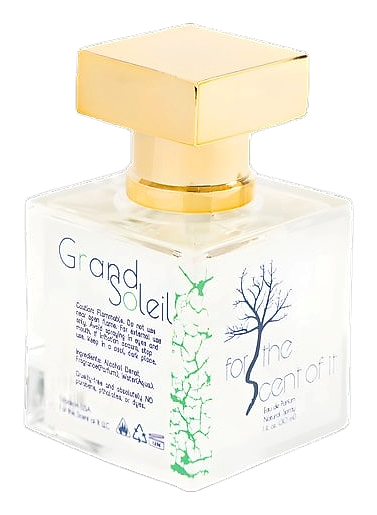
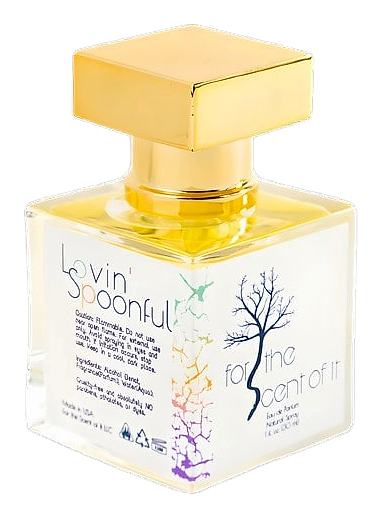
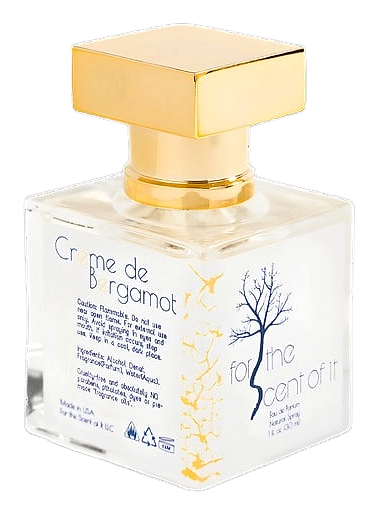
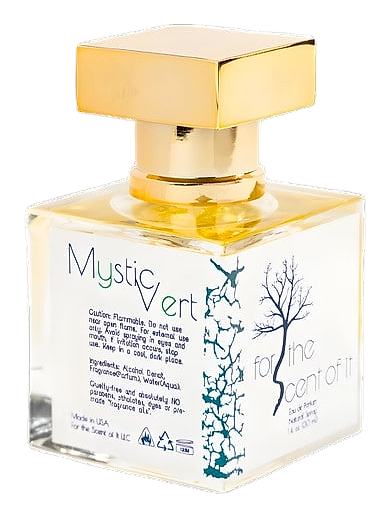
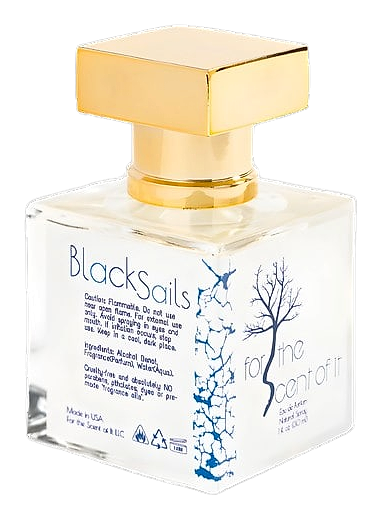
For the Scent of ItFor the Scent of It is a fragrance house that emerged in the early 2020s with a catalog of original compositions spanning multiple fragrance families. The brand has released at least ten distinctive scents including Oud Café, Nearly Nu, Blackwood Sun, Mystic Vert, Tobacco Pod, Black Sails, 21 Candles, Lovin' Spoonful, Molten Ambra, and Grand Soleil, with releases distributed across 2021 through 2023. The house appears to favor evocative, narrative-driven naming conventions that suggest sensory experiences and atmospheric moments.
The Creator
Michael SchrammelSchrammel gravitates toward darker, more complex fragrance profiles. His work often features oriental woods, smoky incense, and rich fig compositions.