The Story
Why it exists.
The beginning
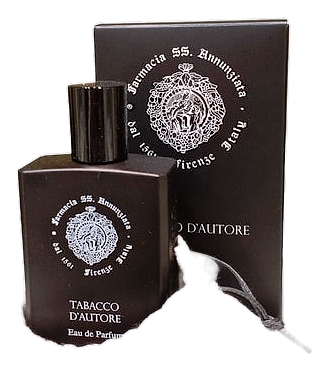
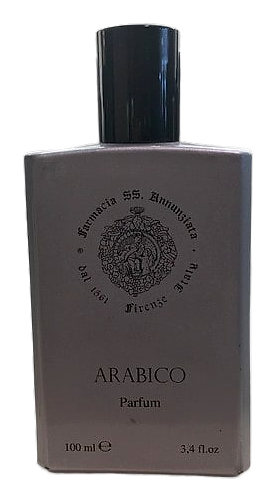
Arabico comes from a Florentine house that has been working with botanicals since 1561. Farmacia SS. Annunziata carries that long history into every bottle, drawing on centuries of familiarity with raw plant materials and the kinds of extracts that once traveled through Mediterranean trade routes. The house's background shows in the way Arabico handles its materials: there's a resinous weight to the frankincense, a dryness in the cedar that feels considered rather than casual, and a cool thread of lavender running underneath that keeps the composition from tipping too far into heat. The overall character reads woody and earthy, with a slightly smoky undertow that gives it presence without aggression.
The composition does something specific and worth noting: it puts lavender in both the heart and the base. Lavender here threads through the entire arc, giving the cedar and frankincense a cool spine that keeps the warmth from becoming heavy. Egyptian geranium adds a green, almost peppery lift to the opening, while the frankincense brings the kind of resinous depth that smells like smoke remembered rather than smoke fresh-made. It's an unusual layering: aromatic and woody, yes, but also quietly smoky in a way that lingers.
The evolution
Bergamot and Egyptian geranium arrive together in the opening, and the geranium does more than the bergamot here, giving the first impression a dusty, slightly metallic greenness that feels less citrus-bright and more herbal-sharp. That sharpness fades after a brief window before the frankincense and cedar take over, and this is where Arabico finds its real character. The frankincense is resinous without being churchy, and the cedar adds a dryness that makes the whole composition feel architectural, like good woodwork. The lavender runs underneath, never quite disappearing. By hour three, the vetiver has settled in, and the drydown becomes this warm, slightly smoky, lavender-cedar blend that sits close to the skin without disappearing. On fabric, the next morning reveals a soft trace of incense and a quiet lavender-musky echo that suggests the base was built with longevity in mind.
Cultural impact
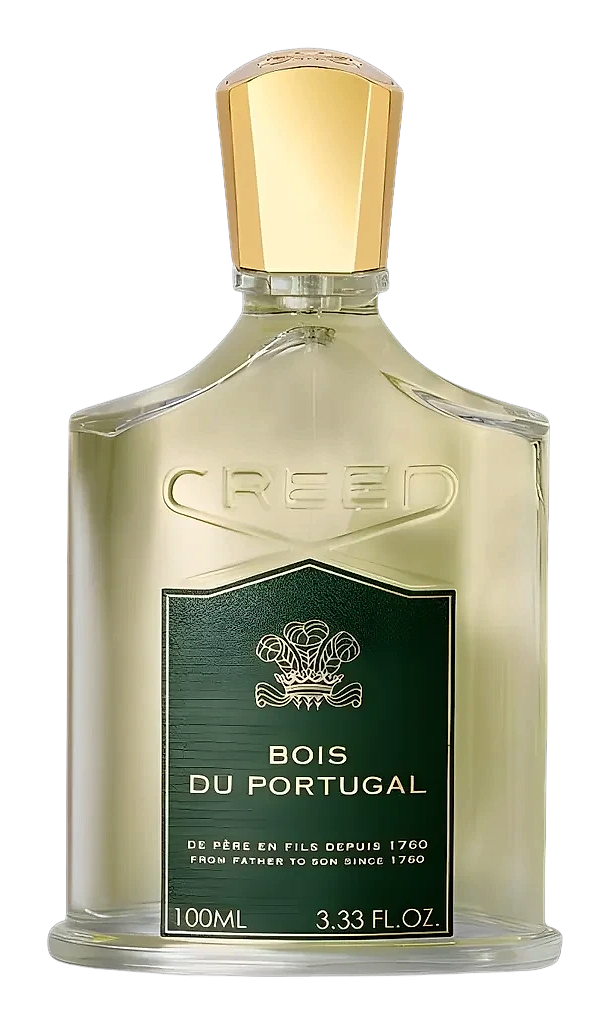
Arabico sits in a specific corner of the niche world: aromatic fougère-leaning compositions with a distinctive Italian sensibility. One Parfumo reviewer (Zauber600) draws a comparison to the dry cedar character found in Bois 1920, and the mention gives a useful reference point for those familiar with that house's style. The fragrance reads as refined rather than aggressive, a composition aimed at someone who wants substance without heaviness. It works well in formal settings, carrying enough aromatic presence to register without overwhelming a room.