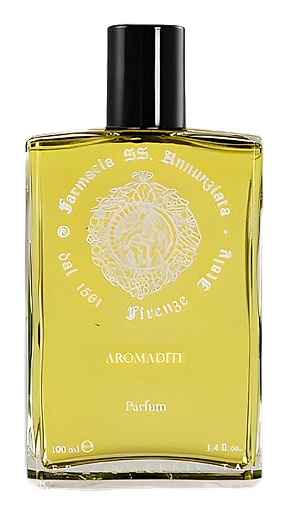
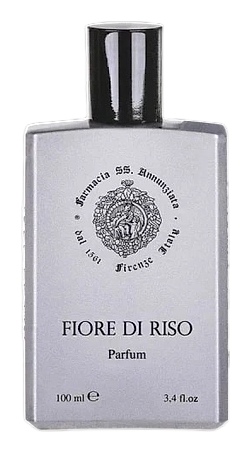
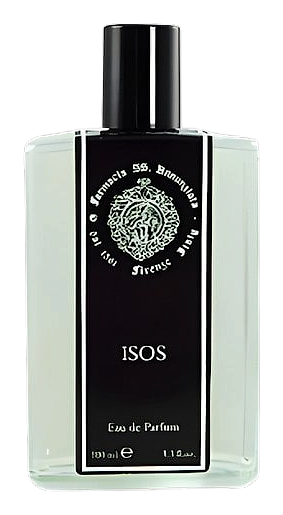
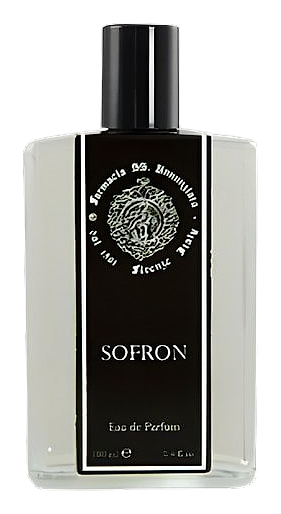
Heritage
A house, in its own words
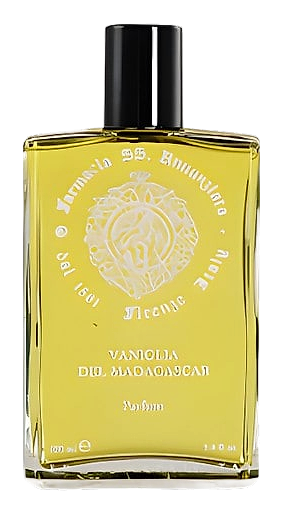
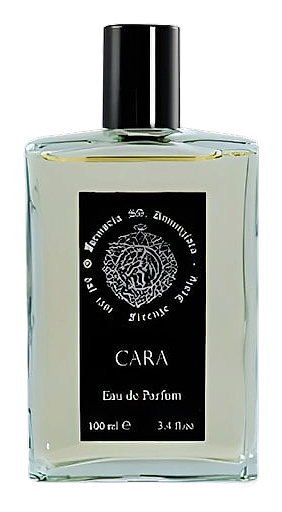
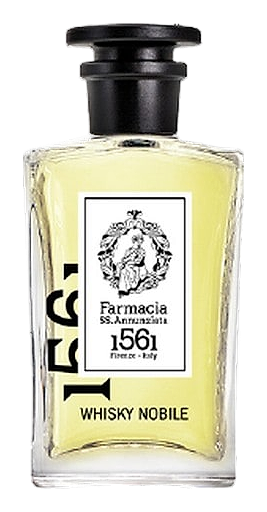
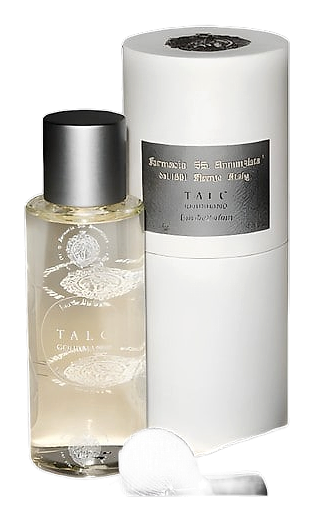
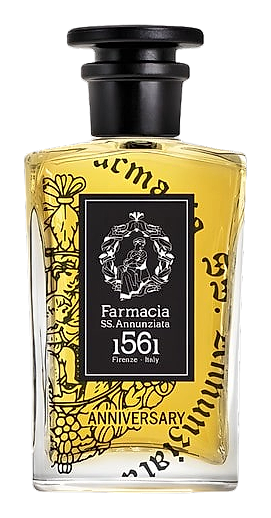
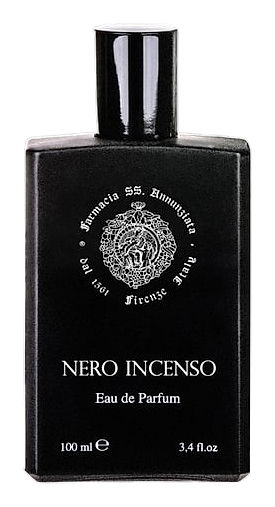
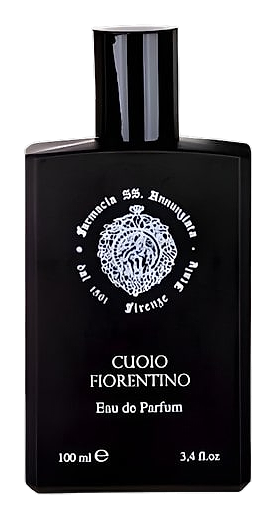
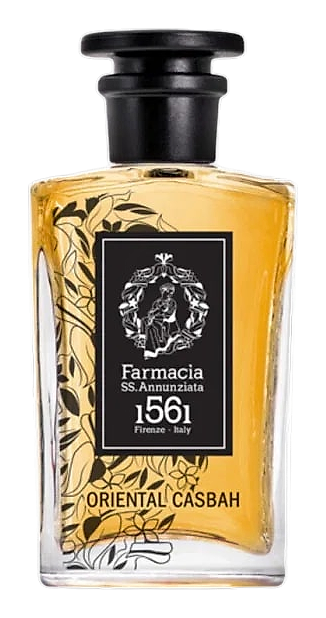
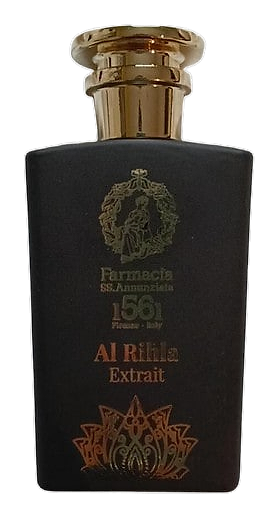
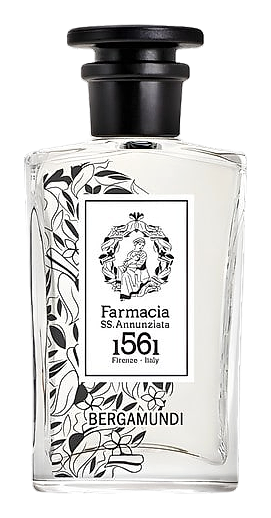
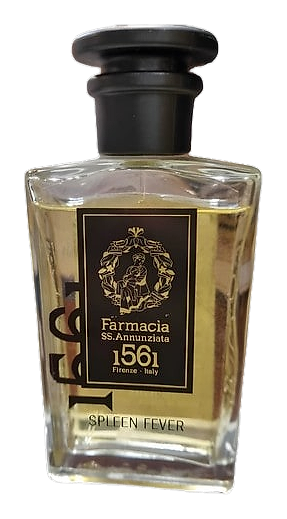
The story of Farmacia SS. Annunziata begins in 1561, when a modest spice and herb shop opened in the heart of Florence. Contemporary records describe the founder as an herbalist who supplied medicinal botanicals to local physicians and the city’s guilds. Over the next two centuries the shop expanded its inventory to include exotic resins, essential oils and early perfume bases, positioning itself as one of the city’s trusted apothecaries. By the eighteenth century the pharmacy was listed in Florentine trade directories as a supplier of both therapeutic preparations and luxury scented waters. The family‑run business survived the Napoleonic wars, the unification of Italy and two world wars, largely by preserving original recipes and maintaining a network of regional growers. In 2018 the brand opened a new boutique on Via de' Tornabuoni, a street known for high‑end craftsmanship, and launched a line of seven home fragrances that reference the Major Arts of medieval Florence. This initiative marked the first systematic expansion beyond personal perfume into interior scenting, a move documented in the house’s own “Our Story” page. The following years saw a series of limited releases that highlighted both historical ingredients and modern techniques: Nero Incenso (2014) revived a medieval incense blend, Cuoio Fiorentino (2016) interpreted the scent of Florentine leather workshops, and Whisky Nobile (2021) paired Scottish malt notes with Tuscan botanicals. In 2021 the brand celebrated its 460th anniversary with a fragrance named Anniversary, a composition that layered citrus, amber and aged woods to echo the passage of time. The most recent addition, Al Rihla (2025), draws inspiration from the historic trade routes that once brought spices to the Florentine market, completing a narrative that links past commerce with present creativity. Throughout its history, Farmacia SS. Annunziata has remained a family‑owned enterprise, preserving a workshop that still houses original 16th‑century copper stills and a library of botanical manuscripts, allowing each new scent to be rooted in documented tradition while speaking to contemporary sensibilities. The house approaches fragrance as a dialogue between history and the present moment. Its creative vision rests on three pillars: authenticity, locality and stewardship. Authenticity means that every formula references a documented source, whether a medieval recipe, a Renaissance treatise on aromatics or a modern scientific study of volatile compounds. Locality drives the brand to source raw materials from Tuscan farms whenever possible, from lavender fields in the Val d'Orcia to chestnut honey harvested in the Apennines. When an ingredient cannot be grown locally, the house seeks suppliers who practice sustainable harvesting and who can provide traceable certificates. Stewardship reflects a commitment to preserve both the natural environment and the cultural heritage embedded in each scent. The brand’s statements on its website emphasize respect for the original apothecary methods, stating that modern perfumers work alongside the historic laboratory to reinterpret classic accords without compromising their integrity. This philosophy also informs the limited‑edition releases, which are often tied to specific anniversaries or cultural events, allowing the scent to act as a commemorative object rather than a purely commercial product. By treating fragrance as a form of cultural documentation, Farmacia SS. Annunziata invites its audience to experience a moment in time each time they uncork a bottle.