
The Story
Why it exists.
The beginning
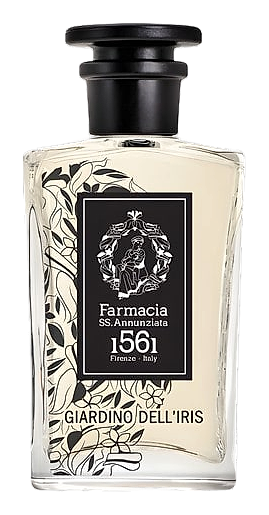
Giardino dell'Iris takes its name from the iris, a flower central to Florence's history and imagery. The fragrance captures the character of the bloom: waxy petals, the mineral-earth quality of the root, the trace of powder that lingers in the air after the garden settles. Bergamot and lemon blossom open bright and brief, but the iris asserts itself quickly, with quiet authority rather than performance. The iris itself carries waxy, violet-dusted qualities that lend it an almost powdery elegance. Myrrh and elemi resin bring a warm, aromatic depth that balances the cool floral heart, while black amber adds a darker, resinous counterpoint that keeps the powdery finish from reading as sweet.
What makes Giardino dell'Iris unusual is the pairing of iris with myrrh absolute. Iris is cool, waxy, and cerebral, a note that typically reads as delicate or fleeting. Myrrh is warm, balsamic, and resinous, the kind of material that grounds and persists. Together they create a tension that keeps the fragrance from reading as purely powdery or purely warm. The black amber and elemi resin amplify this push-pull, adding aromatic spice and a dark, almost tar-like depth that prevents the composition from flattening into simple sweetness. Cashmeran and vanilla in the base then soften everything into proximity, close enough to notice, never demanding attention.
The evolution
The opening arrives quietly, bergamot first, then lemon blossom, a brief citrus brightness that doesn't insist. Within minutes the iris takes over, but it announces itself as presence rather than performance. Waxy. Violet-dusted. The myrrh follows, warm and resinous, threading through the floral heart without overwhelming it. By the second hour the composition has settled into its powdery register, vanilla, musk, and cashmeran creating a softness that feels close rather than airy. The cedar and black amber provide just enough structure to keep the drydown from dissolving entirely. The scent lingers close to the skin, intimate in the way a trace of warm skin does, rather than the way a room does. The next morning: cedar, vanilla, and a whisper of powder on the collar.
Cultural impact
Farmacia SS. Annunziata traces its roots to 16th century Italy, where pharmacists often doubled as perfumers, crafting remedies and fragrances from the same botanical knowledge. This historical overlap between pharmacy and perfumery shaped how the house approaches fragrance creation. The dedication to slow, artisanal perfumery creates fragrances that serve as olfactory archives of botanical traditions. Each formula references documented sources, whether medieval recipe, Renaissance treatise, or modern study, maintaining a direct connection to centuries-old Italian perfumery practices.