
The Story
Why it exists.
The beginning
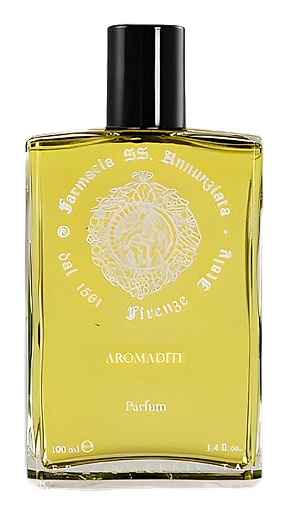
Aromadite arrived in 2011 from Farmacia SS. Annunziata, the Florentine apothecary with roots stretching back to 1561. The name itself suggests a quest for something personal, the brand describes it as 'your own scent.' The brief was clear: capture spring's energy in a wearable composition that didn't rely on the usual floral suspects. The house turned to its botanical expertise, drawing on the herbal tradition that had shaped its catalog for centuries. What emerged was a fragrance that used ginger as a structural element rather than a novelty, unusual in 2011 and still uncommon today.
The note structure places ginger at the center of the composition, supported by green notes and watercress in the heart. This is not a conventional use of ginger, which typically appears as a supporting spice in fragrance. Here it leads, pulling the composition away from sweetness and toward something more savory, more herbaceous. Vanilla and amber in the base keep the result warm, but the fragrance never fully commits to sweetness. That tension, between the cool green top and the warm amber base, mediated by ginger's clean heat, is what makes Aromadite distinctive.
The evolution
The opening announces itself with citruses and a green, almost vegetable freshness, the Amalfi lemon is there, but so is something earthier underneath. Within minutes the ginger emerges, sharper than expected, pushing the composition into herbal territory. The transition is abrupt in the best way. The heart settles into a quieter floral-watercress space that lasts several hours, neither fully green nor fully floral. Then the base takes over: vanilla arrives slowly, wrapped in amber, and the whole thing softens into something close and warm. On fabric, the vanilla outlasts everything else.
Cultural impact
Aromadite emerged at a moment when niche fragrance was gaining momentum beyond traditional enthusiast circles. Its unconventional ginger-led structure attracted wearers seeking something distinct from the citrus-woody templates of the era. While discontinued, it retains a cult following among collectors who appreciate its herbaceous honesty and the way it refuses to fully resolve into sweetness. The fragrance sits at an interesting intersection: approachable enough for daily wear, unusual enough to reward attention.