The Story
Why it exists.
The beginning
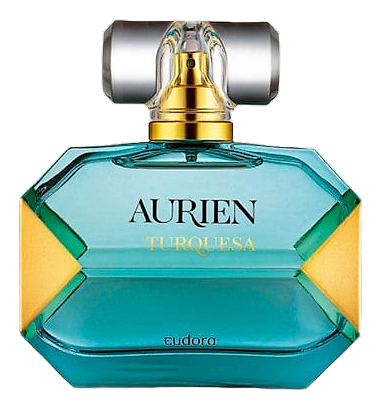
Maurice Roucel has spent decades building compositions that reward patience. For Aurien Turquesa, released in 2017, the brief was deceptively simple: capture Brazilian warmth in a bottle that doesn't look like everyone else. The turquoise in the name is literal, a reference to the coastal waters that define how the country sees itself, but the fragrance itself runs warmer. Roucel built it from the inside out, starting with the amber-woody base that gives the scent its staying power, then layering tropical fruit and spice until the structure held.
The unusual combination of tamarind and mango in the top notes does something Roucel rarely attempts: he lets the opening lean tart before the florals arrive. Immortelle appears mid-pyramid, a note more common in Mediterranean compositions than in Brazilian releases, where it reads almost as a signature. Gardenia and water lily soften what could have been too sharp, pulling the heart back toward creaminess. The absinthe in the base is the quietest gamble: a green-anise note that most wearers won't identify by name, but that gives the drydown an herbal counterpoint to the coconut warmth.
The evolution
Pink pepper and mandarin hit first, bright, almost aggressive. Then the cardamom and cinnamon arrive, and for about twenty minutes the opening is full-throttle warm spice. The transition into the heart phase is where things shift: jasmine and gardenia emerge slowly beneath the heat, and the mango-tamarind tartness that opened the composition doesn't disappear so much as dissolve into the florals. This is the fragrance's quietest moment, roughly two hours in, when it smells less like a statement and more like skin. The base arrives last, amber and cedar building across the final hours. Coconut keeps it soft. Patchouli keeps it grounded. The absinthe is the ghost: present in the drydown, nearly impossible to isolate, but responsible for the herbal thread that stops the sweetness from ever becoming linear.
Cultural impact
Aurien Turquesa arrived in 2017 as part of Eudora's push into the international fragrance market, representing a notable departure from the brand's typical mass-market positioning. The Brazilian cosmetics company, known primarily for its domestic accessibility, collaborated with master perfumer Maurice Roucel to create something with genuine artistic ambition. The tropical fruit and warm spice combination reflects a broader trend in post-2010 perfumery toward globally inspired gourmand florals, though Eudora's execution kept it grounded in Brazilian sensory preferences. The immortelle and absinthe notes especially signal an interest in less-traveled aromatic territory, positioning Turquesa as a bridge between local tastes and international sophistication.