The Story
Why it exists.
The beginning
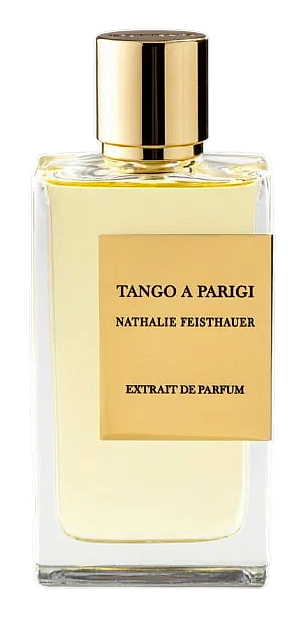
Tango a Parigi is Estrvs's 2026 composition, shaped by perfumer Nathalie Feisthauer. The name points to Paris, and the fragrance that bears it carries something of the city's quieter frequencies, the kind of presence that lingers in a room long after the wearer has moved on. Feisthauer built the fragrance from a constellation of materials with deep roots in classical perfumery, but the way those materials are arranged here feels distinctly contemporary in its restraint. Bergamot opens with its familiar bitter brightness, clove threads a warm and slightly piquant accent through the top, and grapefruit cuts through both with a cool, juicy snap that keeps the accord from settling into anything too soft.
What makes Tango a Parigi compelling is the tension between its marine freshness and its dense, almost confectionary base. Feisthauer threads aquatic notes through the opening alongside grapefruit and clove, a juxtaposition that prevents the composition from drifting into vintage territory or settling into safe iris-and-vanilla territory. The heart introduces talcum, a material with its own particular hush, powdery and slightly soapy in a way that softens everything around it without flattening the structure.
The evolution
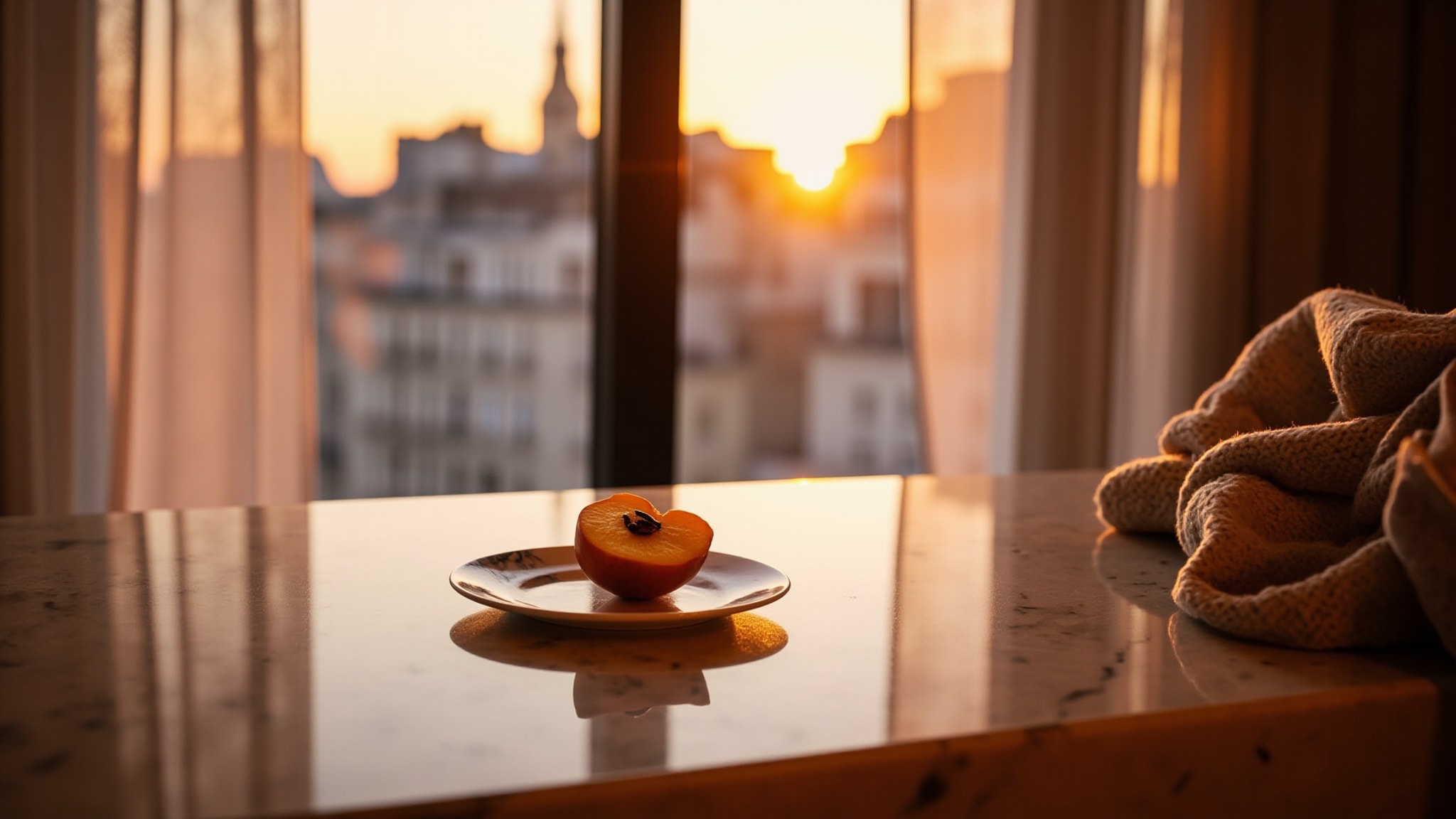
The opening of Tango a Parigi is sharp and bright. Bergamot and grapefruit lead with their characteristic bitter-citrus snap, and clove adds a warm, almost peppery edge that keeps the citrus from feeling clinical or thin. Aquatic notes drift underneath like a current you can't quite see, adding a cool, slightly saline dimension that gives the top a sense of air and distance. Nothing aggressive, nothing trying to impress. Just a clean, composed opening that reads like fresh laundry left on a chair, or a window thrown open on a cool morning. The heart arrives gradually as the citrus recedes. Iris unfolds first, bringing its powdered, rooty depth, followed by orange blossom and jasmine for lift and a touch of indolic warmth. Heliotrope adds an almond sweetness, and peach gives the whole phase a soft, skin-like warmth that makes the florals feel less like a bouquet and more like a presence.
Cultural impact
Tango a Parigi doesn't compete for attention. It assumes the room is already paying attention. The composition operates on a register that's become increasingly rare, one that values intimacy over projection, nuance over novelty. It speaks to a wearer who has moved past fragrance as accessory and arrived at fragrance as a form of self-definition. The materials chosen here carry their own cultural weight: iris, oakmoss, patchouli, sandalwood, each of them a pillar of twentieth-century French perfumery. But Tango a Parigi doesn't wear that lineage on its sleeve.