The Story
Why it exists.
The beginning
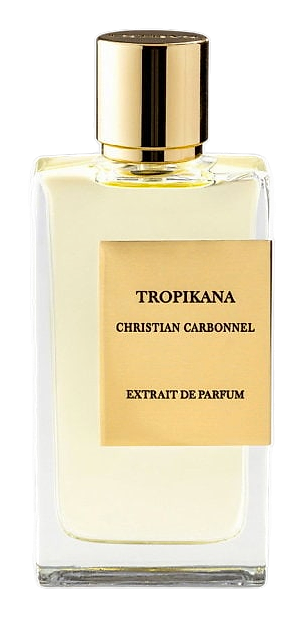
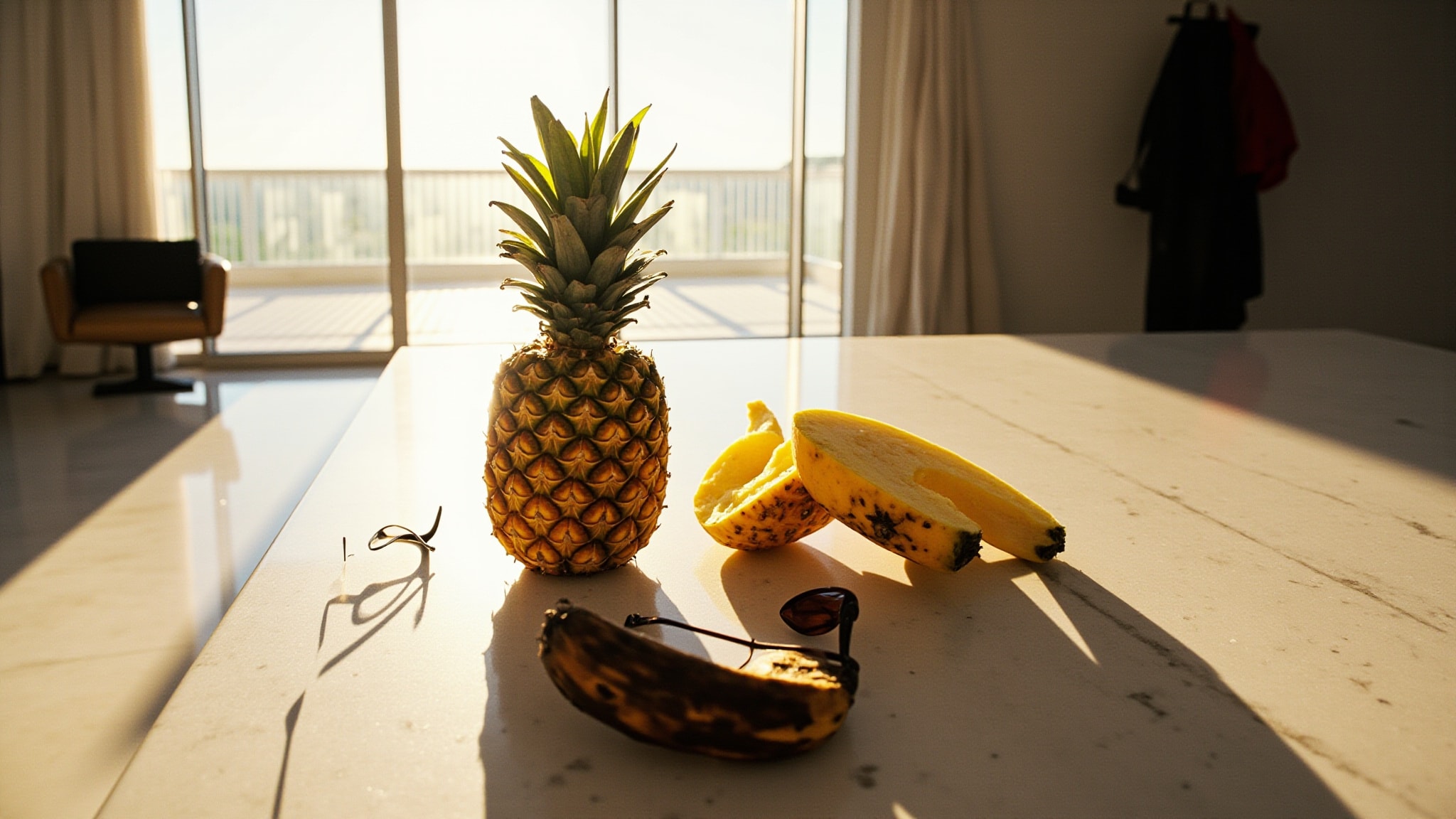
Christian Carbonnel, the nose behind it, treats the tropical as a starting point rather than a stereotype. Tropikana by Estrvs (2026) takes the loudest notes in perfumery, banana and pineapple, and tries to grow them up without sanding off the juice. The fruit notes open with the ripeness of overripe banana skin and the tart sweetness of fresh pineapple core, layered to mimic the smell of a fruit market at noon. As the hours pass, that initial brightness softens, the banana settling into a creamier register while the pineapple releases its sharper acidic edge and drifts toward something rounder. The result is a composition that holds its shape on skin and across a full day, the way a good fragrance should, without ever feeling like it's trying to disguise what it is.
What makes this composition work is the interplay between the fruit and everything supporting it. Cedarwood and ylang-ylang sit beneath the banana and pineapple, lending a woodiness and a floral density that keeps the fruit from floating off the skin. Coconut and aquatic notes layer in next, offering a milky sweetness and a saline coolness that reads more like humid air than a beach product. The base, amber, musk, sandalwood, sugar, vanilla, anchors everything. The amber and sandalwood give the drydown a resinous warmth, while the musk adds a soft, skin-like quality.
The evolution
The first ten minutes are almost aggressive in their sweetness. Banana reads almost like banana candy, the artificial kind, the nostalgic kind, the kind that tastes the way a yellow crayon smells. Pineapple is sharper, cutting through with its natural acidity. By the thirty-minute mark the cedarwood arrives and the composition gets quieter. The sweetness stops shouting and starts speaking. Ylang-ylang adds a creamy, almost bruised floral note beneath the fruit, and the coconut lends a milky, slightly fatty texture that rounds everything off. The aquatic notes are subtle, less obvious sea spray than humidity, the feeling of dense air before a storm. As hours pass, the tropical fruit recedes almost entirely. The drydown is amber-led, warm and resinous, with vanilla and sugar creating a skin-scented sweetness that feels close and intimate. Sandalwood grounds the whole thing, adding a creamy woodiness that keeps the vanilla from tipping into pure confection.
Cultural impact
Tropikana by Estrvs (2026) uses banana and pineapple at the top, two notes that don't often appear together in serious perfumery and that carry associations most wearers already recognize. The banana accord reads ripe, almost bruised at first, with that fermenting sweetness real bananas give off when left out overnight. Pineapple layers in with a sharp, almost metallic brightness that cuts through the creaminess, the way the fruit's acidity hits the tongue before the sugar registers.