The Story
Why it exists.
The beginning
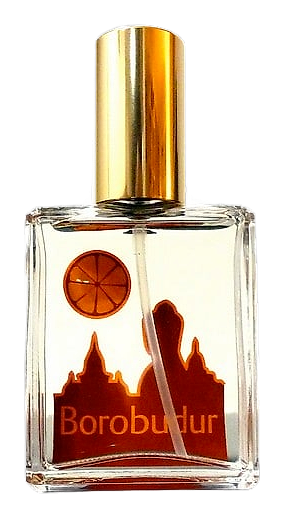
Erik Kormann released this composition in 2014, a year that also saw Famagusta added to the catalogue alongside it. The two fragrances launched as companion pieces, each offering its own take on the house's evolving direction. The perfumer credit lists Alain Alchenberger alongside Philip Kraft, bringing two established names to a single project. Borobudur reads as a deliberate step in the brand's development, moving into geographic and architectural references that broaden the scope of what each release can represent. The fragrance carries a sense of place in its very name, inviting the wearer to consider the relationship between scent and location.
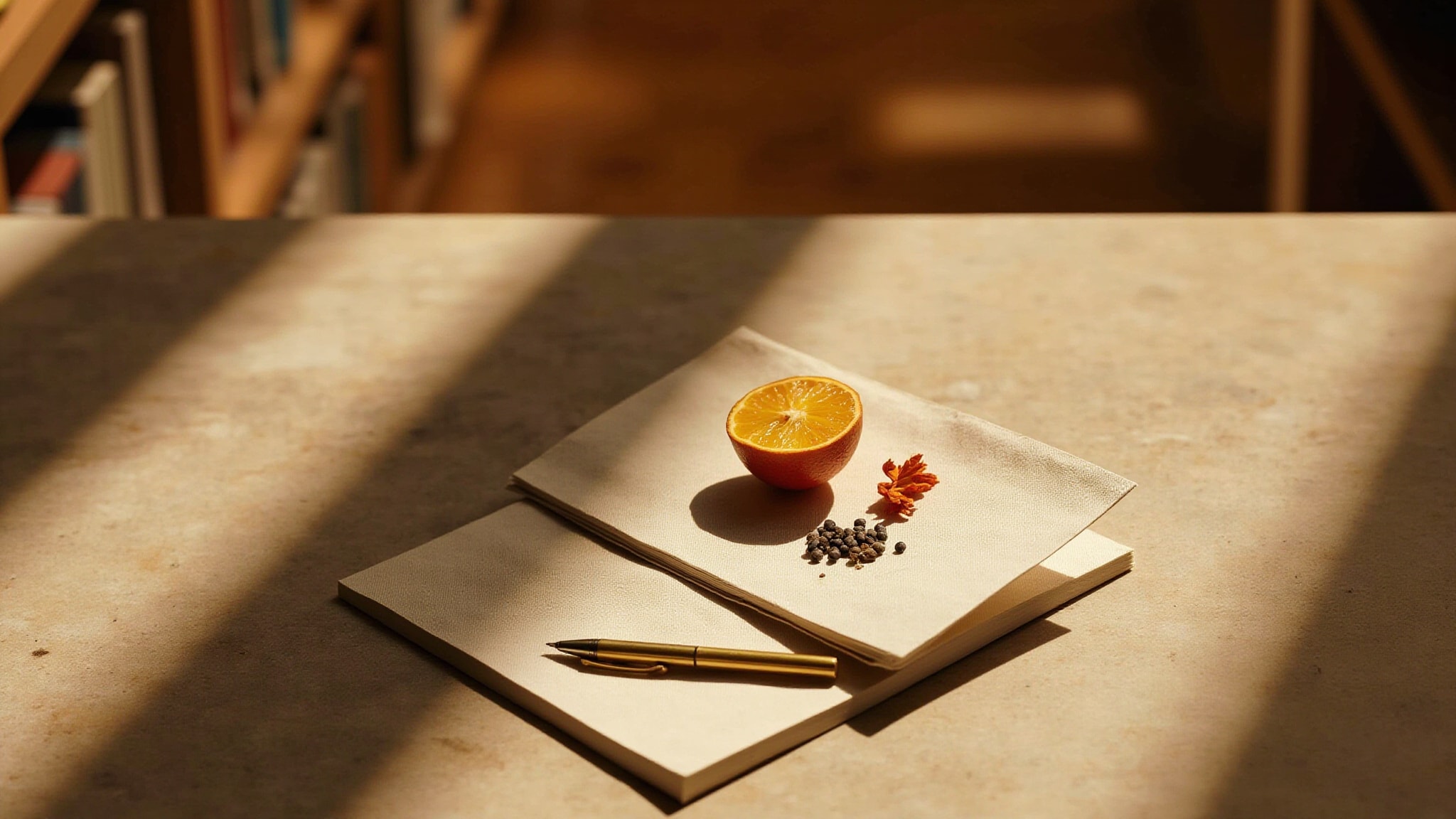
What makes Borobudur distinctive is how it handles its citrus. Balinese orange and mandarin appear at the top, but they arrive spiced, not sun-bright. Black pepper and tagetes push the opening away from typical cologne territory and toward something warmer. The heart then locks in iris, sandalwood, and geranium, a combination that reads more sculptural than floral. The pepper doesn't merely season the citrus; it reshapes it, pulling the opening into territory that feels deliberate and composed rather than accidental.
The evolution
The first thirty minutes belong to the citrus-and-pepper top: Balinese orange and mandarin sliced thin, scattered with black pepper and the herbal sharpness of marigold. There's a brightness here, but it's the brightness of late-afternoon sun on warm stone, not the brightness of a shower gel. Then the iris arrives, and everything slows down. It brings a cool, powdery minerality that cuts through the citrus without killing it. Sandalwood and geranium settle underneath, giving the heart a creamy, slightly dusty structure that feels more carved than blended. By the third hour, the top notes have faded into memory, and the composition rests on iris, sandalwood, and a faint thread of jasmine. The base that emerges in the final hours is clean and uncomplicated: white musk and vanilla, quiet enough that the earlier architecture can still be felt beneath.
Cultural impact
Borobudur appeals to wearers who want complexity without volume, the kind of scent that rewards attention rather than demanding it. It leans quiet and sculptural, closer to the aesthetic of niche houses that prioritize restraint and composition over projection. The fragrance suits those who prefer their scents intimate, detectable by those who lean in rather than those across the room. Balinese orange and mandarin spiced with black pepper create an opening that feels considered, each element placed with intention. The iris-and-sandalwood heart reinforces that sense of architecture, giving the composition a structure that holds over time.