The Story
Why it exists.
The beginning
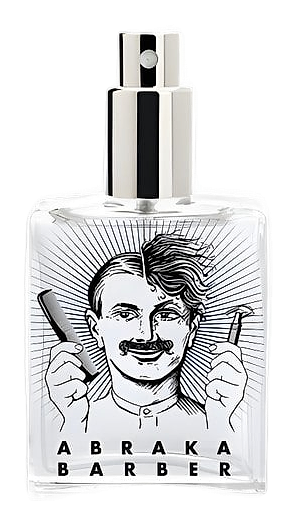
Abrakabarber was created by Erik Kormann and released in 2016. The composition moves through a clear sequence: a bright opening arrival, a textured middle, and a darker, lingering finish. The materials carry the story. Citrus and spice bring the first spark. Cedar, tobacco, and osmanthus create a composed center. Incense, leather, vetiver, and patchouli let the fragrance settle into something tactile and private. The opening carries lime alongside juniper berries, pink pepper, incense, and galbanum, an aromatic counterweight that keeps the citrus from feeling one-dimensional. Iso E Super, cedarwood, osmanthus, hedione, and tobacco shape a dry, aromatic heart with subtle sweetness woven through.
The handoff between freshness and weight is where the composition becomes interesting. Lime, juniper berries, and pink pepper make the opening feel almost cleansing, while incense and galbanum keep an aromatic edge beneath the brightness. Iso E Super, cedarwood, osmanthus, hedione, and tobacco add a dry, aromatic middle with subtle sweetness. The base is where the scent commits: patchouli and vetiver bring earth and structure, ambergris adds softness, and leather gives the drydown a smoky thread.
The evolution
The fragrance opens with a clean hit of citrus and green spice. Juniper berries and pink pepper sharpen that opening, while galbanum and incense keep it from becoming simply fresh. Cedarwood and hedione give the composition a dry, airy quality as it develops on skin. Tobacco enters the mix, adding warmth that sits beside the wood rather than overwhelming it. As the composition evolves, incense becomes more present in the air around the wearer, and leather, patchouli, and vetiver pull the scent toward its earthy center. Tonka bean and vanilla soften the edges without erasing the spice. What remains is close, warm, and quietly animalic, with a faint sweet trace over smoke. It lingers as a memory of polished wood, fresh citrus, and a room slowly losing its light, the brighter opening gradually folding into darker base notes that stay close to the skin for hours.
Cultural impact
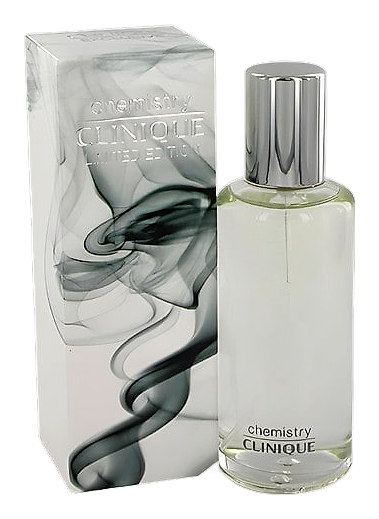
Abrakabarber draws on a familiar aromatic tradition with its combination of spice, smoke, and barbershop-adjacent notes. The documented reference points compare it with At the Barber's by Maison Margiela, Chemistry by Clinique, and Classic Scent After Shave by Claus Porto. Its character places it within a recognizable world of aromatic compositions built around citrus openings, aromatic middles, and smoky, leathery bases.
The House
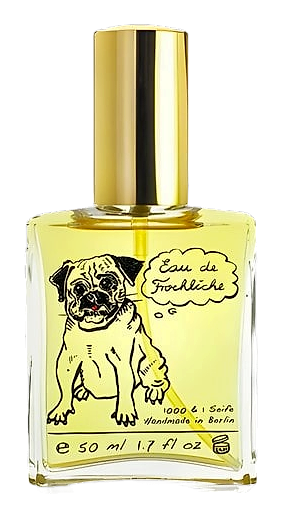
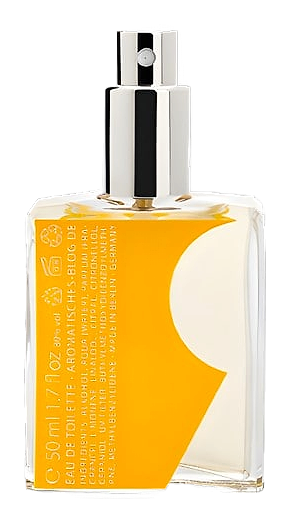
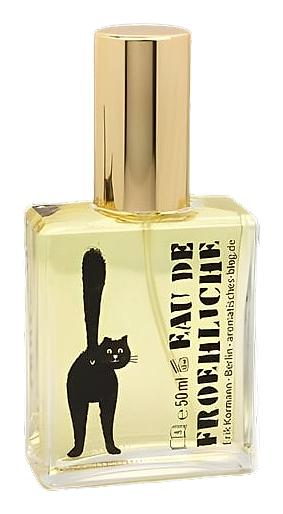
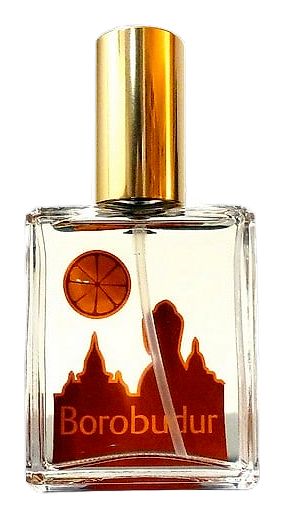
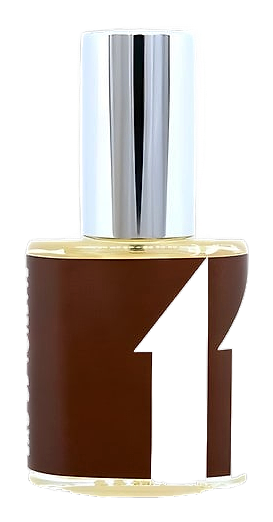
Erik KormannErik Kormann is a niche perfume house that emerged in the early 2010s with a focus on seasonal storytelling. The label releases limited‑edition scents that often reference a month or a specific moment, such as Eau de Froehliche (2010) and Dezember (2014). Each bottle arrives in a restrained container that lets the fragrance speak for itself. The brand distributes through select European retailers, including 1000 & 1 Seife and First in Fragrance, positioning the line as a modest alternative to larger houses while maintaining a clear artistic voice.
The Creator
Erik KormannKormann’s signature technique centers on a clear, single‑note opening that evolves into a nuanced heart. He favors natural absolutes such as frankincense, bergamot, and labdanum, pairing them with modern synthetics that extend longevity without overpowering the therapeutic core.