The Story
Why it exists.
The beginning
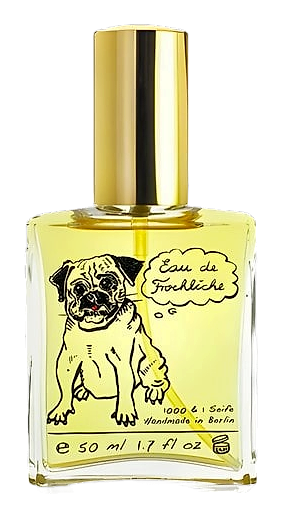
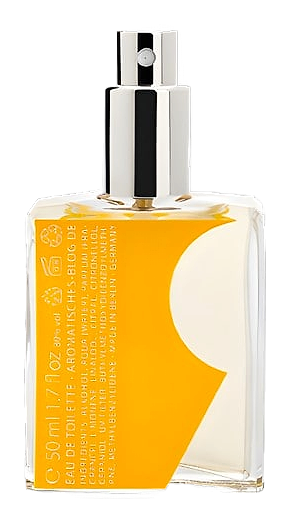
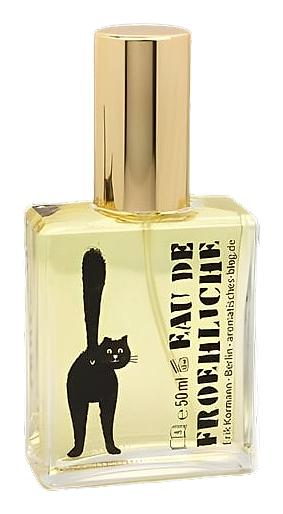
Eau de Froehliche No. 2 arrived in 2012 from Erik Kormann, a perfumer whose work treats fragrance as a diary of specific moments. No. 2 occupies the incense register, a smoky-woody composition that trades seasonal sweetness for something more austere. The juice itself leans into restraint, letting the resin and wood carry the weight without ornamentation. There's a deliberate dryness here, a sense that the formula was built around what it withholds as much as what it offers. The opening reads cool and almost architectural, mint and bergamot laying a clean foundation before the incense surfaces. It's a patient composition, one that takes its time arriving at the smoky center, rewarding close attention.
The composition is unusual for how it balances freshness against resin. Most incense-led fragrances lean dark from the first spray, but No. 2 opens with mint and bergamot, a cool entry that delays the resin's arrival. The mint reads bright and slightly green, almost clinical, while the bergamot contributes a citrus lift that feels more structural than juicy. Anise bridges the two worlds, bringing a licorice-like sweetness that softens the transition into frankincense and guaiac wood. The anise acts as a hinge note, preventing the cool opening from feeling disconnected from the warm heart.
The evolution
The first 15 minutes belong to mint and bergamot, bright and almost clinical, a clean green opening that doesn't yet reveal what it's hiding. The mint dominates this stage, sharp and cooling, with the bergamot providing a slightly bitter citrus frame around it. There's a transparency to the opening that feels deliberate, as if the formula is clearing the palate before the heavier notes arrive. Anise enters around the 20-minute mark, sweetening the mint with a licorice edge, and the rose appears quietly underneath, adding a soft floral undertow that prevents the anise from going sharp. The rose here is restrained, barely a whisper, but it rounds out the anise's sharper contours. By the one-hour point the top has burned off and the heart transitions, the incense begins to rise, smoky and resinous, with guaiac wood lending a dry, almost burnt-honey warmth.
Cultural impact
Eau de Froehliche No. 2 stands as a distinctive entry in the incense category, notable for how it negotiates the tension between cool and warm, fresh and resinous. Its structure rewards wearers who notice how a composition moves over time rather than how it announces itself in the first ten minutes. The fragrance sits within a lineage of contemplative incense-led releases, compositions that prioritize atmosphere and internal balance over projection or sweetness. What sets No. 2 apart is the clarity of its construction, the way the mint and bergamot at the top refuse to dissolve into the resin below.
The House
Erik KormannErik Kormann is a niche perfume house that emerged in the early 2010s with a focus on seasonal storytelling. The label releases limited‑edition scents that often reference a month or a specific moment, such as Eau de Froehliche (2010) and Dezember (2014). Each bottle arrives in a restrained container that lets the fragrance speak for itself. The brand distributes through select European retailers, including 1000 & 1 Seife and First in Fragrance, positioning the line as a modest alternative to larger houses while maintaining a clear artistic voice.
The Creator
Erik KormannKormann’s signature technique centers on a clear, single‑note opening that evolves into a nuanced heart. He favors natural absolutes such as frankincense, bergamot, and labdanum, pairing them with modern synthetics that extend longevity without overpowering the therapeutic core.