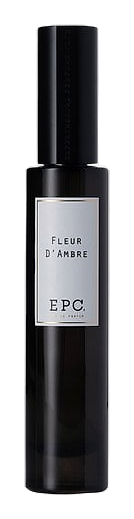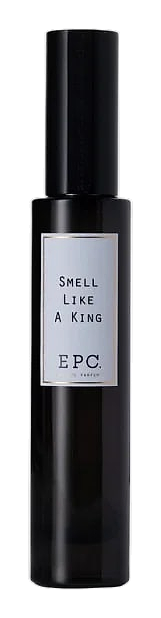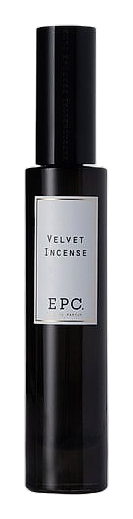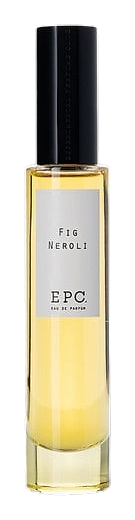
The Story
Why it exists.
The beginning
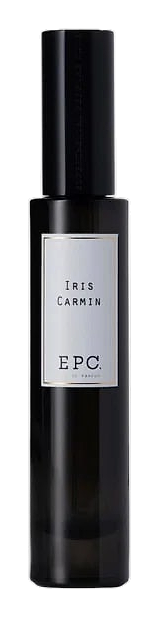
Iris Carmin came together in 2022 through the work of Experimental Perfume Club, with French perfumer Emmanuelle Moeglin building the composition around a single tension: the cool, rooty austerity of orris against the dense, sticky sweetness of labdanum and benzoin. The name itself gestures toward the contradiction. Carmin suggests a flush of red, warmth, something almost carnal, set against iris, one of perfumery's most reserved materials. Moeglin's approach treats the composition as a deliberate meeting of opposing forces on the skin.
What makes the composition unusual is the sheer density of resinous materials sharing space with the iris. The fig leaf does quiet structural work at the top, adding a green bitterness that keeps the neroli and orange blossom from tipping into something predictable. The overall impression sits somewhere closer to a church interior after a long service, where stone has absorbed years of incense smoke and the air feels warm rather than austere. That warmth carries through the composition's resinous backbone, where labdanum and benzoin build a sticky, almost edible sweetness around the iris.
The evolution
The opening belongs to fig leaf and neroli, bright and slightly bitter, with basil adding a green edge that feels almost herbal rather than aromatic. There's a dusty quality underneath, a whisper of iris already present but not yet announcing itself. As the opening thins, the resins begin to surface and assert their presence. Frankincense brings a clean, faintly citrusy quality, followed by myrrh's deeper, almost medicinal warmth that adds gravity to the composition. Labdanum thickens the blend, bringing a waxy, ambered density that makes everything feel closer to the skin. The iris gradually takes its position in the heart, and it's a powdered, slightly sweet presence cushioned by orange blossom absolute and the soft vanillic warmth of benzoin.
Cultural impact
Iris Carmin represents a particular approach to fragrance making, one that places dense, resinous materials in conversation with the cooler, more restrained presence of iris. Its presentation through EPC's accessible model brings complex composition to audiences interested in understanding what they're wearing. The fragrance invites wearers to notice the interplay between orris and labdanum, between the powdery coolness of iris and the sticky warmth of benzoin. It's a composition that rewards attention, asking to be smelled closely and reconsidered over time.
The House
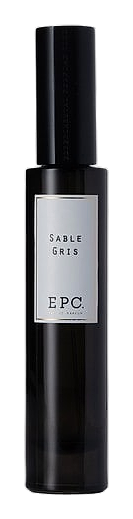
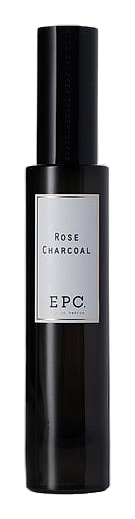
EPC Experimental Perfume ClubExperimental Perfume Club is a London-based perfume house founded by French perfumer Emmanuelle Moeglin. The brand operates on a dual model: creating small-batch fragrances for retail alongside offering interactive workshops where participants blend their own scents. This combination of product and experience sets EPC apart from conventional fragrance houses. The company holds Certified B Corporation status, indicating adherence to verified social and environmental standards. EPC's approach centers on making perfumery an accessible, hands-on pursuit rather than an opaque luxury reserved for industry insiders. Their fragrances, including entries like Sable Gris, Black Nagarmotha, and Rose Charcoal, reflect an experimental sensibility that draws curious customers into the creative process.
The Creator
Emmanuelle MoeglinMoeglin draws on her classical ISIPCA training while embracing an experimental sensibility. She favors a transparent, material-driven approach where each ingredient earns its place.